Bangladesh (People's Republic of Bangladesh)
https://www.humantruth.info/bangladesh.html
By Vexen Crabtree 2025
| Bangladesh People's Republic of Bangladesh | 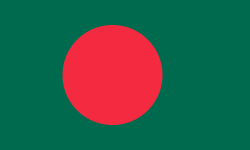 |
|---|---|
| Status | Independent State |
| Social and Moral Index | 139th best |
| Capital | Dhaka |
| Land Area | 130 170km21 |
| Location | Asia |
| Population | 161.4m2 |
| Life Expectancy | 72.38yrs (2017)3 |
| GNI | $5 472 (2017)4 |
| ISO3166-1 Codes | BD, BGD, 505 |
| Internet Domain | .bd6 |
| Currency | Taka (BDT)7 |
| Telephone | +8808 |
- Overview
- Bangladesh National and Social Development
- Bangladesh's Demographics and Migration
- Human Rights, Equality & Tolerance
- Bangladesh's Health
- Bangladesh's Responsibility Towards The Environment
- Bangladesh's Modernity and Learning
- Bangladesh's Culture, Peace and Inequality
- Religion and Beliefs
- Links
1. Overview
#bangladesh #hinduism #India #islam #pakistan #water
“Muslim conversions and settlement in the region now referred to as Bangladesh began in the 10th century, primarily from Arab and Persian traders and preachers. Europeans began to set up trading posts in the area in the 16th century. Eventually the area known as Bengal, primarily Hindu in the western section and mostly Muslim in the Muslim-majority area, which became East Pakistan. Calls for greater autonomy and animosity between the eastern and western wings of Pakistan led to a Bengali independence movement. That movement, led by the Awami League (AL) and supported by India, won independence for Bangladesh in 1971, although at least 300,000 civilians died in the process. The post-independence, AL government faced daunting challenges and in 1975 was overthrown by the military, triggering a series of military coups that resulted in a military-backed government and subsequent creation of the Bangladesh Nationalist Party (BNP). That government also ended in a coup in 1981, followed by military-backed rule until democratic elections in 1991. The BNP and AL have alternately held power since then, with the exception of a military-backed, emergency caretaker regime that suspended parliamentary elections planned for January 2007 in an effort to reform the political system and root out corruption. That government returned the country to fully democratic rule in December 2008 with the election of the AL and Prime Minister Sheikh HASINA. With the help of international development assistance, Bangladesh has made great progress in food security since independence, and the economy has grown at an average of about 6 percent over the last two decades.”
CIA's The World Factbook (2013)9
“Gorgeously green yet swamped with people, Bangladesh is a rural wonderland laden with waterways, peppered with villages and bursting with humanity. Bangladeshis are famously friendly, and you are almost certain to receive a warm welcome everywhere you go. The tourism industry is in its infancy and foreign visitors are still an unusual sight outside Dhaka. ... More than 700 rivers flow through this small country and the result is a deliciously lush landscape with more shades of green than you ever imagined. There are almost as many kilometres of rivers in Bangladesh as there are roads, and travelling by boat is a way of life here. This provides a fabulous opportunity to see the country from a more unusual angle. Even if you´re going nowhere in particular, travelling by boat is one of the most rewarding things you can do during your visit. Bangladesh isn´t a tick-the-sights-off-the-list type of country, so slow down, relax and discover new ideas and ways of life.”
Its separation from eastern India created a Bangladesh that is almost entirely geographically within India, but the atmosphere between the two is troublesome and fundamentally unfriendly; particular areas of conflict are water-use surrounding the Ganges, the position of the land border, and of the sea border in the Bay of Bengal, and migration11. These are all made worse by fundamental communal intolerance between Hindus in India and Muslims in Bangladesh, which made any grassroots growth in co-operation seemingly impossible.
Bangladesh and India argue about usage of the water from Ganges and Teesta rivers, along with 52 other shared rives, and from the estuaries that feed them. This water stress is credited as one of the causes of the unfriendly relations between them, and is labelled as an 'unresolvable' issue due to the volume of their joint requirements for water use and complex way the rivers snake between the two countries. India is often found bullying Bangladesh and rejecting or ignoring compromises, but, with 1.4 billion people, it can hardly afford to be kind11.
2. Bangladesh National and Social Development
#economics #human_development #wealth
| UN HDI (2021)12 | ||
|---|---|---|
| Pos. | Higher is better Value12 | |
| 1 | Switzerland | 0.962 |
| 2 | Norway | 0.961 |
| 3 | Iceland | 0.959 |
| ... | ||
| 126 | Nicaragua | 0.667 |
| 127 | Bhutan | 0.666 |
| 128 | Cape Verde | 0.662 |
| 129 | Bangladesh | 0.661 |
| 130 | Tuvalu | 0.641 |
| 131 | Marshall Islands | 0.639 |
| 132 | India | 0.633 |
| 133 | Ghana | 0.632 |
| Asia Avg | 0.75 | |
| World Avg | 0.72 | |
| q=191. | ||
| Gross National Income Per-Capita (2021)12 | ||
|---|---|---|
| Pos. | Higher is better PPP $12 | |
| 1 | Liechtenstein | $146 830 |
| 2 | Singapore | $90 919 |
| 3 | Qatar | $87 134 |
| ... | ||
| 131 | Cape Verde | $6 230 |
| 132 | Ghana | $5 745 |
| 133 | Nicaragua | $5 625 |
| 134 | Bangladesh | $5 472 |
| 135 | Angola | $5 466 |
| 136 | Samoa | $5 308 |
| 137 | Honduras | $5 298 |
| 138 | Ivory Coast | $5 217 |
| Asia Avg | $22 215 | |
| World Avg | $20 136 | |
| q=193. | ||
| Social & Moral Development Index13 | ||
|---|---|---|
| Pos. | Lower is better Avg Rank13 | |
| 1 | Denmark | 27.2 |
| 2 | Norway | 29.2 |
| 3 | Sweden | 30.2 |
| ... | ||
| 136 | Palestine | 106.8 |
| 137 | Rwanda | 107.2 |
| 138 | Sao Tome & Principe | 107.5 |
| 139 | Bangladesh | 107.6 |
| 140 | Turkmenistan | 108.2 |
| 141 | Samoa | 108.9 |
| 142 | Lesotho | 109.0 |
| 143 | Tanzania | 109.6 |
| Asia Avg | 92.2 | |
| World Avg | 89.2 | |
| q=200. | ||
The United Nations produces an annual Human Development Report which includes the Human Development Index. The factors taken into account include life expectancy, education and schooling and Gross National Income (GNI) amongst many others..
The Social and Moral Development Index concentrates on moral issues and human rights, violence, public health, equality, tolerance, freedom and effectiveness in climate change mitigation and environmentalism, and on some technological issues. A country scores higher for achieving well in those areas, and for sustaining that achievement in the long term. Those countries towards the top of this index can truly said to be setting good examples and leading humankind onwards into a bright, humane, and free future. See: Which are the Best Countries in the World? The Social and Moral Development Index.
3. Bangladesh's Demographics and Migration
#bangladesh #birth_control #demographics #fertility #health #immigration #india #life_expectancy #longevity #migration #overpopulation #population #yemen
Population Datasets:
Bangladesh's population is predicted to rise to 181.86 million by 2030. This rise is despite a low fertility rate, meaning, that this country is helping to alleviate problems with growing population in neighbouring countries by accepting immigrants, very likely as a requirement of maintaining an active workforce. This country has a fertility rate of 1.95. The fertility rate is, in simple terms, the average amount of children that each woman has. The higher the figure, the quicker the population will grow, although, to calculate the rate you also need to take into account morbidity - the rate at which people die. If people live healthy and long lives and morbidity is low, then, 2.0 approximates to the replacement rate (two new children for each set of parents who die), which would keep the population stable. If all countries had such a fertility rate, population growth would end. The actual replacement rate in most developed countries is around 2.1, once you take mortality into account14. The highest fertility rate ever detected in a single year was in Yemen in 1985, at 8.86.15| Population2 | ||
|---|---|---|
| Pos. | 2018 Population2 | |
| 1 | China | 1.4b |
| 2 | India | 1.4b |
| 3 | USA | 327.1m |
| 4 | Indonesia | 267.7m |
| 5 | Pakistan | 212.2m |
| 6 | Brazil | 209.5m |
| 7 | Nigeria | 195.9m |
| 8 | Bangladesh | 161.4m |
| 9 | Russia | 145.7m |
| 10 | Japan | 127.2m |
| 11 | Mexico | 126.2m |
| 12 | Ethiopia | 109.2m |
| World Avg | 39.0m | |
| q=195. | ||
| Life Expectancy Higher is better12 | ||
|---|---|---|
| Pos. | 2021 Years12 | |
| 1 | Monaco | 85.9 |
| 2 | Hong Kong | 85.5 |
| 3 | Japan | 84.8 |
| ... | ||
| 88 | Dominican Rep. | 72.6 |
| 89 | Oman | 72.5 |
| 90 | Belarus | 72.4 |
| 91 | Bangladesh | 72.4 |
| 92 | Peru | 72.4 |
| 93 | Syria | 72.1 |
| 94 | Armenia | 72.0 |
| 95 | Libya | 71.9 |
| World Avg | 71.28 | |
| q=195. Also scored for 1990s-2010s. | ||
| Fertility Rate 2.0 is best16 | ||
|---|---|---|
| Pos. | 202216 | |
| 1 | US Virgin Islands | 2.00 |
| 2 | Ecuador | 2.00 |
| 3 | Nepal | 2.01 |
| ... | ||
| 7 | New Caledonia | 2.02 |
| 8 | Sri Lanka | 1.97 |
| 9 | Faroe Islands | 2.05 |
| 10 | Bangladesh | 1.95 |
| 11 | Vietnam | 1.94 |
| 12 | Georgia | 2.06 |
| 13 | Tunisia | 2.06 |
| 14 | Lebanon | 2.08 |
| World Avg | 2.47 | |
| q=208. Also scored for 1960s-2010s. | ||
| Old-Age Dependency Ratio Lower is better17 | ||
|---|---|---|
| Pos. | 2016 Per 10017 | |
| 1 | Uganda | 04.3 |
| 2 | Mali | 04.5 |
| 3= | Chad | 04.7 |
| ... | ||
| 72= | Egypt | 10.5 |
| 72= | Libya | 10.5 |
| 72= | S. Africa | 10.5 |
| 75 | Bangladesh | 10.6 |
| 76= | Nepal | 10.8 |
| 76= | Bhutan | 10.8 |
| 76= | Micronesia | 10.8 |
| 79= | Honduras | 11.0 |
| World Avg | 18.3 | |
| q=185. | ||
Migration Datasets:
| Immigrants18 | ||
|---|---|---|
| Pos. | 2017 %18 | |
| 1 | UAE | 88.4% |
| 2 | Kuwait | 75.5% |
| 3 | Qatar | 65.2% |
| ... | ||
| 157 | Mexico | 0.9% |
| 158 | Timor-Leste (E. Timor) | 0.9% |
| 159 | Zambia | 0.9% |
| 160 | Bangladesh | 0.9% |
| 161 | Tanzania | 0.9% |
| 162 | Mozambique | 0.8% |
| 163 | Jamaica | 0.8% |
| 164 | El Salvador | 0.7% |
| World Avg | 9.4% | |
| q=195. | ||
| Emigrants19 | ||
|---|---|---|
| Pos. | 2010 %19 | |
| 1 | Dominica | 104.8% |
| 2 | Palestine | 68.4% |
| 3 | Samoa | 67.3% |
| ... | ||
| 136 | Sweden | 3.4% |
| 137 | Ghana | 3.4% |
| 138 | Nepal | 3.3% |
| 139 | Bangladesh | 3.3% |
| 140 | Botswana | 3.2% |
| 141 | Spain | 3.0% |
| 142 | Central African Rep. | 2.9% |
| 143 | Angola | 2.8% |
| World Avg | 11.5% | |
| q=192. | ||
Because Bangladesh was separated from India, there are a great many family relations and businesses that span the border and there has never been a comprehensive divide11. According to Indian government statements, there are some sixteen million 'illegal' Bangladeshi immigrants in India11, and the press frequently repeats similar figures. The problem is that the huge border (4000 kms) is porous and surrounded by pre-literate communities who care little for formal divisions that were forced upon them without explanation or consultation. Education and communal support must be developed over a few generations before the concept of the border can be made firm, but, such social development faces cultural resistant and is made impossible by communal animosities.
4. Human Rights, Equality & Tolerance
#antisemitism #Bangladesh #bangladesh_antisemitism #equality #freedom #gender_equality #human_rights #morals #politics #prejudice #tolerance
| Human Rights, Equality & Tolerance (2025)20 | ||
|---|---|---|
| Pos. | Lower is better Avg Rank20 | |
| 1 | Sweden | 7.5 |
| 2 | Netherlands | 8.6 |
| 3 | Denmark | 9.0 |
| ... | ||
| 157 | Uzbekistan | 123.5 |
| 158 | Antigua & Barbuda | 123.5 |
| 159 | Maldives | 123.5 |
| 160 | Bangladesh | 124.0 |
| 161 | Swaziland | 124.1 |
| 162 | Comoros | 124.3 |
| Asia Avg | 110.11 | |
| World Avg | 90.04 | |
| q=198. | ||
For tables, charts and commentary, see:
5. Bangladesh's Health
| Compared to Asia (2025)32 | ||
|---|---|---|
| Pos. | Lower is better Avg Rank32 | |
| 1 | Japan | 40.8 |
| 2 | Singapore | 43.3 |
| 3 | S. Korea | 53.7 |
| ... | ||
| 35 | Mongolia | 103.6 |
| 36 | Jordan | 103.7 |
| 37 | Philippines | 104.0 |
| 38 | Bangladesh | 105.4 |
| 39 | Tajikistan | 109.8 |
| 40 | Cambodia | 109.8 |
| 41 | Myanmar | 110.1 |
| 42 | India | 111.6 |
| 43 | Nepal | 115.8 |
| Asia Avg | 90.68 | |
| q=50. | ||
| Health (2025)32 | ||
|---|---|---|
| Pos. | Lower is better Avg Rank32 | |
| 1 | Monaco | 10.3 |
| 2 | Liechtenstein | 30.1 |
| 3 | Japan | 40.8 |
| ... | ||
| 124 | Philippines | 104.0 |
| 125 | Bermuda | 104.3 |
| 126 | Belize | 104.9 |
| 127 | Bangladesh | 105.4 |
| 128 | Dominican Rep. | 107.3 |
| 129 | Paraguay | 108.2 |
| 130 | Honduras | 108.2 |
| 131 | Puerto Rico | 108.3 |
| World Avg | 97.39 | |
| q=207. | ||
The countries with the best overall approach to public health, in terms of both public policy and individual lifestyle choices, are Monaco, Liechtenstein and Japan33. These countries are worth emulating. And, although often through no fault of the average citizen, the worst countries are Angola, Somalia and S. Sudan33.
42 datasets are used to calculate points for each country, including multiple decades of data on its average life expectancy, its alcohol consumption rate, its fertility rate, its smoking rate, its suicide rate, its food aid and health contributions and WHO compliance, the prevalence of overweight adults, obesity rate, its adolescent birth rate, delivery rate of infant DTP immunizations, delivery rate of 7x Infant Immunizations 2011-2015 and childhood mortality. The regions with the best average results per country are Scandinavia, Europe and The Mediterranean33, whereas the worst are Micronesia, Africa and Melanesia33.
For more, see:
5.1. Health Datasets
#2010s #alcohol #bangladesh #birth_control #demographics #health #life_expectancy #longevity #mental_health #obesity #overpopulation #smoking #suicide
Bangladesh does relatively well in encouraging good health, compared to many other countries. Bangladesh does the best when it comes to its alcohol consumption rate34 and in the prevalence of overweight adults35. It comes in the best 20 in its fertility rate16. It does better than average in delivery rate of infant DTP immunizations in the 2020s36, its suicide rate37, its food aid and health contributions and WHO compliance38, delivery rate of 7x Infant Immunizations 2011-201539 (but bad for Asia) and in its average life expectancy12. But, things still need to improve in Bangladesh. Bangladesh does worse than average for childhood mortality in the 2020s40 and in its adolescent birth rate41 (one of the worst in Asia). And finally, it sits amongst the bottom 20 in its smoking rate42. The prevalence of overweight adults has increased by 14% during the past 40 years. Life expectancy in Bangladesh improved steadily by +16.8yrs in the 30 years from 1990, over double the global average improvement of +7.9yrs. Bangladesh is amongst only 41 countries who have seen their fertility rate drop by more than 4 since the 1960s. Its peak fertility rate was 6.88 in 1970.“Bangladesh again failed to address its decades-long problem of arsenic in drinking water, with the World Health Organization estimating that 40 million people in the country are affected by arsenic poisoning. [...] In 2017, the government finally began to relocate about a third of the approximately 300 tanneries out of Hazaribagh, a residential area of Dhaka, to a dedicated industrial zone in Savar just outside the capital. The tanneries produce environmentally hazardous waste containing chemicals such as sulfur, ammonium, and chromium. However, many continue to operate [and the government announced delays to their relocation] ”
"World Report 2018" by Human Rights Watch (2018)43
| Life Expectancy Higher is better12 | ||
|---|---|---|
| Pos. | 2021 Years12 | |
| 1 | Monaco | 85.9 |
| 2 | Hong Kong | 85.5 |
| 3 | Japan | 84.8 |
| ... | ||
| 88 | Dominican Rep. | 72.6 |
| 89 | Oman | 72.5 |
| 90 | Belarus | 72.4 |
| 91 | Bangladesh | 72.4 |
| 92 | Peru | 72.4 |
| 93 | Syria | 72.1 |
| 94 | Armenia | 72.0 |
| 95 | Libya | 71.9 |
| Asia Avg | 73.48 | |
| World Avg | 71.28 | |
| q=195. Also scored for 1990s-2010s. | ||
| Alcohol Consumption Lower is better34 | ||
|---|---|---|
| Pos. | 2016 Per Capita34 | |
| 1 | Bangladesh | 0.0 |
| 2 | Kuwait | 0.0 |
| 3 | Libya | 0.0 |
| 4 | Mauritania | 0.0 |
| 5 | Somalia | 0.0 |
| 6 | Yemen | 0.1 |
| 7= | Afghanistan | 0.2 |
| 7= | Saudi Arabia | 0.2 |
| 9= | Syria | 0.3 |
| 9= | Pakistan | 0.3 |
| 11= | Kiribati | 0.4 |
| 11= | Iraq | 0.4 |
| Asia Avg | 3.9 | |
| World Avg | 6.2 | |
| q=189. | ||
| Fertility Rate 2.0 is best16 | ||
|---|---|---|
| Pos. | 202216 | |
| 1 | US Virgin Islands | 2.00 |
| 2 | Ecuador | 2.00 |
| 3 | Nepal | 2.01 |
| ... | ||
| 7 | New Caledonia | 2.02 |
| 8 | Sri Lanka | 1.97 |
| 9 | Faroe Islands | 2.05 |
| 10 | Bangladesh | 1.95 |
| 11 | Vietnam | 1.94 |
| 12 | Georgia | 2.06 |
| 13 | Tunisia | 2.06 |
| 14 | Lebanon | 2.08 |
| Asia Avg | 2.17 | |
| World Avg | 2.47 | |
| q=208. Also scored for 1960s-2010s. | ||
| Smoking in the 2020s Lower is better42 | ||
|---|---|---|
| Pos. | Smoking in the 2020s %42 | |
| 1 | Nigeria | 3.3% |
| 2 | Ghana | 3.4% |
| 3 | Panama | 5.2% |
| ... | ||
| 144 | Hungary | 32.2% |
| 145 | Slovakia | 32.5% |
| 146 | Greece | 32.7% |
| 147 | Bangladesh | 33.0% |
| 148 | Tuvalu | 33.7% |
| 149 | Latvia | 33.9% |
| 150 | Lebanon | 34.3% |
| 151 | France | 34.6% |
| Asia Avg | 22.8% | |
| World Avg | 20.0% | |
| q=165. Also scored for 2000s-2020s. | ||
In the 2000s, Bangladesh was one of only 8 countries that had an average smoking rate of over 50% of the population, although numbers have been making solid improvements each year since then.
| Suicide Rate in the 2010s Lower is better37 | ||
|---|---|---|
| Pos. | Suicide Rate in the 2010s Per 100k37 | |
| 1= | Jordan | 1.00 |
| 1= | Sao Tome & Principe | 1.00 |
| 1= | Antigua & Barbuda | 1.00 |
| ... | ||
| 24 | Tajikistan | 2.81 |
| 25 | Philippines | 3.08 |
| 26 | Myanmar | 3.13 |
| 27 | Bangladesh | 3.14 |
| 28 | Turkey | 3.26 |
| 29 | Panama | 3.33 |
| 30 | Iraq | 3.40 |
| 31 | Sudan | 3.54 |
| Asia Avg | 7.22 | |
| World Avg | 9.24 | |
| q=185. Also scored for 2000s-2010s. | ||
| Food Aid, Health Contributions & WHO Compliance Lower is better38 | ||
|---|---|---|
| Pos. | 2017 Rank38 | |
| 1 | Sweden | 1 |
| 2 | Ireland | 2 |
| 3 | Denmark | 3 |
| ... | ||
| 29 | Greece | 29 |
| 30 | Nicaragua | 30 |
| 31 | Armenia | 31 |
| 32 | Bangladesh | 32 |
| 33 | Hungary | 33 |
| 34 | Macedonia | 34 |
| 35 | India | 35 |
| 36 | Fiji | 36 |
| Asia Avg | 64.4 | |
| World Avg | 82.0 | |
| q=163. | ||
| Overweight Adults Lower is better35 | ||
|---|---|---|
| Pos. | 1976 %35 | |
| 1 | Bangladesh | 4.7 |
| 2 | Vietnam | 5.1 |
| 3 | Nepal | 5.4 |
| 4 | India | 5.5 |
| 5 | Timor-Leste (E. Timor) | 5.7 |
| 6 | Cambodia | 5.9 |
| 7 | Laos | 6.2 |
| 8= | Bhutan | 6.3 |
| 8= | Afghanistan | 6.3 |
| 10 | Indonesia | 6.6 |
| 11 | Burkina Faso | 6.8 |
| 12 | Maldives | 7.2 |
| Asia Avg | 23.1 | |
| World Avg | 27.1 | |
| q=191. | ||
| Adult Obesity Lower is better44 | ||
|---|---|---|
| Pos. | 2022 %44 | |
| 1 | Vietnam | 2.1% |
| 2 | Timor-Leste (E. Timor) | 2.2% |
| 3 | Ethiopia | 2.4% |
| ... | ||
| 7 | Burundi | 4.5% |
| 8 | Rwanda | 4.6% |
| 9 | Japan | 4.9% |
| 10 | Bangladesh | 5.3% |
| 11 | Niger | 5.3% |
| 12 | Chad | 5.7% |
| 13 | Congo, DR | 5.8% |
| 14 | Burkina Faso | 6.1% |
| Asia Avg | 21.1% | |
| World Avg | 24.7% | |
| q=199. Also scored for 1990s-2010s. | ||
5.2. Children's Health Datasets
#children's_health #health #parenting #population #vaccines
| Adolescent Birth Rate Lower is better41 | ||
|---|---|---|
| Pos. | 2022 Per 100041 | |
| 1 | Hong Kong | 1.6 |
| 2 | Denmark | 1.8 |
| 3 | S. Korea | 2.1 |
| ... | ||
| 157 | Nauru | 71.1 |
| 158 | Honduras | 71.3 |
| 159 | Laos | 71.8 |
| 160 | Bangladesh | 73.3 |
| 161 | Mauritania | 76.8 |
| 162 | Togo | 77.0 |
| 163 | Sao Tome & Principe | 77.4 |
| 164 | Sudan | 77.6 |
| Asia Avg | 25.9 | |
| World Avg | 43.8 | |
| q=195. Also scored for 1990s-2010s. | ||
| Infant DTP Immunizations (2020s) Higher is better36 | ||
|---|---|---|
| Pos. | Infant DTP Immunizations (2020s) Avg %36 | |
| 1= | Luxembourg | 99.0 |
| 1= | Oman | 99.0 |
| 1= | Niue | 99.0 |
| ... | ||
| 24= | Morocco | 98.1 |
| 25 | Tokelau | 98.0 |
| 26= | Greece | 98.0 |
| 26= | Bangladesh | 98.0 |
| 26= | Maldives | 98.0 |
| 26= | Turkey | 98.0 |
| 30= | Belgium | 97.9 |
| 30= | Bahrain | 97.9 |
| Asia Avg | 90.6 | |
| World Avg | 88.5 | |
| q=211. Also scored for 1980s-2020s. | ||
| 7x Infant Immunizations (2011-2015) Higher is better39 | ||
|---|---|---|
| Pos. | 2015 Avg %39 | |
| 1= | Hungary | 99.0 |
| 1= | China | 99.0 |
| 3 | Uzbekistan | 98.9 |
| ... | ||
| 77 | Norway | 94.3 |
| 78 | Bolivia | 94.2 |
| 79= | UAE | 94.0 |
| 79= | Bangladesh | 94.0 |
| 79= | Tanzania | 94.0 |
| 79= | Germany | 94.0 |
| 83 | Lithuania | 93.9 |
| 84 | Estonia | 93.9 |
| Asia Avg | 90.5 | |
| World Avg | 88.3 | |
| q=194. | ||
| Infant Mortality (2020s) Lower is better40 | ||
|---|---|---|
| Pos. | Infant Mortality (2020s) Per 100040 | |
| 1 | San Marino | 2.11 |
| 2 | Finland | 2.59 |
| 3 | Luxembourg | 2.60 |
| ... | ||
| 137 | Marshall Islands | 35.97 |
| 138 | Nepal | 39.44 |
| 139 | S. Africa | 39.83 |
| 140 | Bangladesh | 40.07 |
| 141 | Turkmenistan | 43.08 |
| 142 | Gabon | 45.25 |
| 143 | India | 45.47 |
| 144 | Eritrea | 47.24 |
| Asia Avg | 23.58 | |
| World Avg | 32.19 | |
| q=195. Also scored for 1960s-2020s. | ||
Bangladesh was amongst 49 countries in the 1990s who had an adolescent birth rate of over 100 (per 1000 girls aged 15-19); in the 2000s it was still amongst only 37 countries that fell into the same grouping. After that, its situation changed significantly and it attained the 3rd-highest rate of improvements in the world as it head into the 2010s.
6. Bangladesh's Responsibility Towards The Environment
#bangladesh #biodiversity #burundi #climate_change #congo,_dr #deforestation #energy #environmentalism #food #internationalism #meat #over-exploitation #sustainability #the_environment #veganism #vegetarianism
| Compared to Asia (2025)45 | ||
|---|---|---|
| Pos. | Lower is better Avg Rank45 | |
| 1 | Sri Lanka | 34.9 |
| 2 | Nepal | 47.9 |
| 3 | India | 49.5 |
| ... | ||
| 9 | Jordan | 63.1 |
| 10 | Hong Kong | 64.6 |
| 11 | Cyprus | 64.8 |
| 12 | Bangladesh | 69.7 |
| 13 | Maldives | 70.5 |
| 14 | Yemen | 71.9 |
| 15 | Pakistan | 72.0 |
| 16 | Turkey | 75.0 |
| 17 | China | 75.2 |
| Asia Avg | 88.09 | |
| q=51. | ||
| Responsibility Towards The Environment (2025)45 | ||
|---|---|---|
| Pos. | Lower is better Avg Rank45 | |
| 1 | Sri Lanka | 34.9 |
| 2 | Uruguay | 43.2 |
| 3 | Switzerland | 45.0 |
| ... | ||
| 51 | Norway | 66.9 |
| 52 | Guinea | 67.1 |
| 53 | El Salvador | 67.4 |
| 54 | Bangladesh | 69.7 |
| 55 | Brazil | 70.2 |
| 56 | Maldives | 70.5 |
| 57 | Ivory Coast | 70.8 |
| 58 | Colombia | 70.9 |
| World Avg | 84.93 | |
| q=199. | ||
We have known for a long term that we must protect the environment from habitation destruction, over-exploitation, pollution, and the emissions that cause climate change. In 1998, Greenpeace wrote that "Environment can no longer be meaningfully separated from health, quality of life, democracy, education, economy or trade"46. What countries have been doing the right thing, via legislation and national culture? All countries' current and historical approach towards the environment is gauged via 21 datasets, including multiple decades of data on its forested percent change 2000-2020, its environmental performance, energy to GDP efficiency, its sign-up rate to major international accords on protecting the environment, the rate of rational beliefs on the environment in the population, reducing annual meat consumption per person and its score on the Green Future Index.
The countries that do the best (Sri Lanka, Uruguay and Switzerland) tend to have avoided the excesses of early industrial countries, and have not yet repeated the same mistakes of environmental destruction - at least, not on the same scale. The regions with the best average results per country are Central America, South America and Scandinavia. The worst are Eritrea, The Vatican City and Timor-Leste (E. Timor), and the worst regions Micronesia, Australasia and Melanesia.
For more, see:
Bangladesh is 54th in the world in terms of its responsibility towards the environment. This rank is calculated from 21 data sets. Bangladesh comes in the best 20 in reducing annual meat consumption per person47 (the best in Asia). It does better than average in the rate of rational beliefs on the environment in the population48 and in energy to GDP efficiency49. Bangladesh does not succeed in everything, however. Bangladesh does worse than average in its sign-up rate to major international accords on protecting the environment and in its forested percent change 2000-202050. It falls into the worst-performing 20 in its score on the Green Future Index51 (one of the worst in Asia). And finally, it is second-from-the-bottom in terms of its environmental performance52.| Forest Area Change 2000-2020 Higher is better50 | ||
|---|---|---|
| Pos. | Total50 | |
| 1 | Guernsey | 82.6% |
| 2 | Bahrain | 75.2% |
| 3 | Iceland | 64.7% |
| ... | ||
| 153 | Philippines | -1.3% |
| 154 | British Virgin Islands | -1.4% |
| 155 | Cayman Islands | -1.6% |
| 156 | Bangladesh | -1.9% |
| 157 | US Virgin Islands | -1.9% |
| 158 | Sri Lanka | -2.5% |
| 159 | Central African Rep. | -2.6% |
| 160 | Malaysia | -2.9% |
| Asia Avg | 3.2% | |
| World Avg | -0.1% | |
| q=234. | ||
| Environmental Performance Higher is better52 | ||
|---|---|---|
| Pos. | 201852 | |
| 1 | Switzerland | 87.4 |
| 2 | France | 84.0 |
| 3 | Denmark | 81.6 |
| ... | ||
| 173 | Lesotho | 33.8 |
| 174 | Haiti | 33.7 |
| 175 | Madagascar | 33.7 |
| 176 | Nepal | 31.4 |
| 177 | India | 30.6 |
| 178 | Congo, DR | 30.4 |
| 179 | Bangladesh | 29.6 |
| 180 | Burundi | 27.4 |
| Asia Avg | 54.5 | |
| World Avg | 56.4 | |
| q=180. | ||
| Energy to GDP Efficiency Lower is better49 | ||
|---|---|---|
| Pos. | 2022 Avg49 | |
| 1 | Rwanda | 0.25 |
| 2 | Chad | 0.26 |
| 3 | Tanzania | 0.31 |
| ... | ||
| 26 | Kenya | 0.58 |
| 27 | Yemen | 0.59 |
| 28 | Congo, (Brazzaville) | 0.60 |
| 29 | Bangladesh | 0.61 |
| 30 | Ireland | 0.62 |
| 31 | Dominican Rep. | 0.63 |
| 32 | Haiti | 0.63 |
| 33 | Denmark | 0.65 |
| Asia Avg | 1.50 | |
| World Avg | 1.23 | |
| q=165. Also scored for 1960s-2010s. | ||
| International Accords on the Environment Higher is better | ||
|---|---|---|
| Pos. | International Accords on the Environment Avg Rate | |
| 1 | Sweden | 83% |
| 2 | Canada | 82% |
| 3 | Norway | 81% |
| ... | ||
| 96 | Turkmenistan | 58% |
| 97 | Czechia | 58% |
| 98 | Antigua & Barbuda | 57% |
| 99 | Bangladesh | 57% |
| 100 | UAE | 57% |
| 101 | Belize | 57% |
| 102 | Bulgaria | 57% |
| 103 | Honduras | 57% |
| Asia Avg | 55.4% | |
| World Avg | 57.5% | |
| q=197. Also scored for 1970s-2020s. | ||
| Rational Beliefs on the Environment Higher is better48 | ||
|---|---|---|
| Pos. | 2011 %48 | |
| 1 | Argentina | 78.3% |
| 2 | Greece | 77.6% |
| 3 | Brazil | 77.1% |
| ... | ||
| 22 | Madagascar | 62.8% |
| 23 | Uruguay | 62.4% |
| 24 | Angola | 62.4% |
| 25 | Bangladesh | 61.5% |
| 26 | Mali | 60.7% |
| 27 | Venezuela | 60.1% |
| 28 | Morocco | 60.0% |
| 29 | Malta | 57.3% |
| Asia Avg | 37.9% | |
| World Avg | 39.9% | |
| q=145. | ||
| Meat Consumption Lower is better47 | ||
|---|---|---|
| Pos. | 2021 kg47 | |
| 1 | Congo, DR | 03.0 |
| 2 | Burundi | 03.5 |
| 3 | Bangladesh | 04.3 |
| 4 | Madagascar | 05.4 |
| 5 | India | 05.7 |
| 6 | Nigeria | 07.0 |
| 7 | Ethiopia | 07.1 |
| 8 | Rwanda | 07.6 |
| 9 | Mali | 07.8 |
| 10 | Niger | 08.1 |
| 11 | Afghanistan | 08.7 |
| 12 | Uganda | 09.4 |
| Asia Avg | 46.7 | |
| World Avg | 52.5 | |
| q=185. Also scored for 2010s. | ||
In the 2010s, Bangladesh had the 3rd-lowest meat consumption per person in the world, after Burundi and Congo DR.47
| Green Future Index Higher is better51 | ||
|---|---|---|
| Pos. | 2023 Score51 | |
| 1 | Iceland | 6.7 |
| 2 | Finland | 6.7 |
| 3 | Norway | 6.4 |
| ... | ||
| 69= | Guatemala | 3.6 |
| 69= | Russia | 3.6 |
| 71 | Paraguay | 3.6 |
| 72 | Bangladesh | 3.5 |
| 73 | Qatar | 3.4 |
| 74 | Zambia | 3.3 |
| 75 | Algeria | 3.1 |
| 76 | Iran | 2.6 |
| Asia Avg | 4.3 | |
| World Avg | 4.8 | |
| q=76. | ||
7. Bangladesh's Modernity and Learning
#education #modernity #technology #the_internet
| Compared to Asia (2025)53 | ||
|---|---|---|
| Pos. | Lower is better Avg Rank53 | |
| 1 | S. Korea | 23.5 |
| 2 | Taiwan | 25.4 |
| 3 | Japan | 27.4 |
| ... | ||
| 41 | Iraq | 121.2 |
| 42 | Pakistan | 122.6 |
| 43 | Nepal | 124.7 |
| 44 | Bangladesh | 127.5 |
| 45 | Timor-Leste (E. Timor) | 139.8 |
| 46 | Bhutan | 142.5 |
| 47 | Cambodia | 144.2 |
| 48 | Laos | 146.1 |
| 49 | Yemen | 158.0 |
| Asia Avg | 86.04 | |
| q=51. | ||
| Modernity & Learning (2025)53 | ||
|---|---|---|
| Pos. | Lower is better Avg Rank53 | |
| 1 | Finland | 6.1 |
| 2 | Iceland | 8.1 |
| 3 | Denmark | 8.8 |
| ... | ||
| 154 | Haiti | 126.3 |
| 155 | Comoros | 126.9 |
| 156 | Congo, (Brazzaville) | 127.3 |
| 157 | Bangladesh | 127.5 |
| 158 | Namibia | 129.0 |
| 159 | Sao Tome & Principe | 129.2 |
| 160 | Vanuatu | 129.6 |
| 161 | Equatorial Guinea | 130.2 |
| World Avg | 84.96 | |
| q=197. | ||
The most modern countries, with the best results from education, the highest levels of research, and with the easiest access to information on the Internet, are Finland, Iceland and Denmark54. The worst countries are S. Sudan, Eritrea and Somalia54. Despite improves in global education, access to tertiary (adult) education is becoming increasingly unequal between the rich haves and the poor have-nots55.
“Education, at all levels and ages, is the single most vital support for equality as well as being a country's most vital economic and social resource. [...] Every successful aspirant to modernisation and economic development, from Japan to South Korea, China to Chile, has got there with a big emphasis on education.”
Bill Emmott (2017)56
27 datasets are used to calculate points for each country, including multiple decades of data on Research and Development, Intellectual Endeavours, metric system adoption rate, Religiosity, IQ, Secondary Education, Length of Schooling, Maths, Science & Reading, the percent of citizens with access to the internet, Freedom On The Internet, IT Security, IPv6 Uptake and digital quality of life. The regions with the best average results per country are Scandinavia, Baltic States and Europe54, whereas the worst are Melanesia, Africa and Micronesia54.
For more, see:
- " Which Countries are Most Modern, With the Best Education and Internet Access?" by Vexen Crabtree (2025).
7.1. Modernity Datasets
#intelligence #metric #religion #religiosity #secularisation
| Intellectual Endeavours Lower is better38 | ||
|---|---|---|
| Pos. | 2017 Rank38 | |
| 1 | Ukraine | 1 |
| 2 | Czechia | 2 |
| 3 | Hungary | 3 |
| ... | ||
| 127 | Kuwait | 127 |
| 128 | Vietnam | 128 |
| 129 | Azerbaijan | 129 |
| 130 | Bangladesh | 130 |
| 131 | Mongolia | 131 |
| 132 | Haiti | 132 |
| 133 | Botswana | 133 |
| 134 | Suriname | 134 |
| Asia Avg | 97.1 | |
| World Avg | 82.0 | |
| q=163. | ||
| Metric System Adoption Rate Higher is better57 | ||
|---|---|---|
| Pos. | 2025 %57 | |
| 1= | Slovakia | 100 |
| 1= | Poland | 100 |
| 1= | Portugal | 100 |
| ... | ||
| 158= | Benin | 90 |
| 158= | Cambodia | 90 |
| 158= | Mauritania | 90 |
| 158= | Bangladesh | 90 |
| 158= | Brunei | 90 |
| 158= | Central African Rep. | 90 |
| 158= | Botswana | 90 |
| 158= | Angola | 90 |
| Asia Avg | 90 | |
| World Avg | 92 | |
| q=187. Also scored for 1960s-2020s. | ||
Adopted metric in 1954 (with Pakistan). Progression:
- 1960 (40%): Traditional units dominant; metric in science.
- 1970 (60%): Metrication begins post-independence.
- 1980 (80%): Commerce/education largely metric; rural legacy persists.
- 2000 (90%): Metric dominant officially.
- 2025 (90%).
| Religiosity Lower is better58 | ||
|---|---|---|
| Pos. | 2018 %58 | |
| 1 | China | 3 |
| 2 | Estonia | 6 |
| 3 | Czechia | 7 |
| ... | ||
| 71= | Dominican Rep. | 78 |
| 71= | Iran | 78 |
| 71= | Tunisia | 78 |
| 74= | Bangladesh | 80 |
| 74= | India | 80 |
| 76 | Iraq | 82 |
| 77= | El Salvador | 85 |
| 77= | Jordan | 85 |
| Asia Avg | 55.8 | |
| World Avg | 54.3 | |
| q=106. | ||
| IQ Higher is better59 | ||
|---|---|---|
| Pos. | 200659 | |
| 1= | Hong Kong | 108 |
| 1= | Singapore | 108 |
| 3 | S. Korea | 106 |
| ... | ||
| 90= | Oman | 83 |
| 90= | Syria | 83 |
| 92= | India | 82 |
| 92= | Bangladesh | 82 |
| 92= | Lebanon | 82 |
| 92= | Dominican Rep. | 82 |
| 92= | Madagascar | 82 |
| 97= | Egypt | 81 |
| Asia Avg | 90.4 | |
| World Avg | 85.6 | |
| q=138. | ||
7.2. Education Datasets
| Secondary Education Higher is better60 | ||
|---|---|---|
| Pos. | 201860 | |
| 1= | Luxembourg | 100.0% |
| 1= | Estonia | 100.0% |
| 1= | Austria | 100.0% |
| ... | ||
| 116 | Paraguay | 47.8% |
| 117 | Nicaragua | 47.5% |
| 118 | Maldives | 47.1% |
| 119 | Bangladesh | 46.7% |
| 120 | St Lucia | 46.0% |
| 121 | Thailand | 44.8% |
| 122 | Zambia | 44.3% |
| 123 | El Salvador | 42.8% |
| Asia Avg | 66.0% | |
| World Avg | 63.0% | |
| q=169. | ||
| Length of Schooling Higher is better61 | ||
|---|---|---|
| Pos. | 2021 Years61 | |
| 1 | Australia | 21.1 |
| 2 | New Zealand | 20.3 |
| 3 | Greece | 20.0 |
| ... | ||
| 126 | Cape Verde | 12.6 |
| 127 | Guyana | 12.5 |
| 128 | Uzbekistan | 12.5 |
| 129 | Bangladesh | 12.4 |
| 130 | Samoa | 12.4 |
| 131 | Congo, (Brazzaville) | 12.3 |
| 132 | San Marino | 12.3 |
| 133 | Botswana | 12.3 |
| Asia Avg | 13.5 | |
| World Avg | 13.5 | |
| q=193. Also scored for 1990s-2010s. | ||
7.3. Technology and Information Datasets
#it_security #modernity #technology #the_internet
| Internet Users (2020s) Higher is better | ||
|---|---|---|
| Pos. | Internet Users (2020s) | |
| 1= | Iceland | 99% |
| 1= | Kuwait | 99% |
| 1= | UAE | 99% |
| ... | ||
| 147 | Cameroon | 42% |
| 148 | Angola | 41% |
| 149 | Gambia | 40% |
| 150 | Bangladesh | 40% |
| 151 | Solomon Islands | 40% |
| 152 | Micronesia | 39% |
| 153 | Ivory Coast | 38% |
| 154 | Nigeria | 36% |
| Asia Avg | 74.9% | |
| World Avg | 67.8% | |
| q=188. Also scored for 1990s-2020s. | ||
| IT Security Lower is better62 | ||
|---|---|---|
| Pos. | 201362 | |
| 1= | Ireland | 0.11 |
| 1= | Luxembourg | 0.11 |
| 1= | Belize | 0.11 |
| ... | ||
| 74 | Sri Lanka | 1.67 |
| 75 | Oman | 1.72 |
| 76 | Iraq | 1.84 |
| 77 | Bangladesh | 1.87 |
| 78 | Sudan | 1.98 |
| 79 | India | 2.10 |
| 80 | Russia | 2.42 |
| 81 | USA | 3.68 |
| Asia Avg | 1.08 | |
| World Avg | 0.98 | |
| IPv6 Uptake Higher is better63 | ||
|---|---|---|
| Pos. | 2017 Ratio63 | |
| 1 | Belgium | 55.4 |
| 2 | Germany | 41.8 |
| 3 | Switzerland | 35.1 |
| ... | ||
| 105= | Laos | 0.0 |
| 105= | Malta | 0.0 |
| 105= | Turkmenistan | 0.0 |
| 105= | Bangladesh | 0.0 |
| 105= | Qatar | 0.0 |
| 105= | Kuwait | 0.0 |
| 105= | Guernsey | 0.0 |
| 105= | Bahamas | 0.0 |
| Asia Avg | 2.11 | |
| World Avg | 3.82 | |
| q=176. | ||
| Digital Quality of Life Higher is better64 | ||
|---|---|---|
| Pos. | 202464 | |
| 1 | Germany | 77.9% |
| 2 | Finland | 76.9% |
| 3 | France | 73.9% |
| ... | ||
| 80 | Panama | 41.6% |
| 81 | Paraguay | 41.2% |
| 82 | Tunisia | 40.4% |
| 83 | Bangladesh | 40.3% |
| 84 | Kyrgyzstan | 39.5% |
| 85 | Jamaica | 38.9% |
| 86 | Bosnia & Herzegovina | 38.8% |
| 87 | Trinidad & Tobago | 38.1% |
| Asia Avg | 46.4% | |
| World Avg | 48.4% | |
| q=121. | ||
8. Bangladesh's Culture, Peace and Inequality
#charitability #culture #equality #human_development #inequality #peace
| Compared to Asia (2025)65 | ||
|---|---|---|
| Pos. | Lower is better Avg Rank65 | |
| 1 | Singapore | 16.8 |
| 2 | Hong Kong | 28.6 |
| 3 | Japan | 33.2 |
| ... | ||
| 37 | Azerbaijan | 102.1 |
| 38 | Tajikistan | 102.8 |
| 39 | Iran | 103.8 |
| 40 | Bangladesh | 108.2 |
| 41 | Lebanon | 110.5 |
| 42 | Laos | 111.4 |
| 43 | Turkmenistan | 111.5 |
| 44 | Pakistan | 112.2 |
| 45 | Cambodia | 120.2 |
| Asia Avg | 84.07 | |
| q=50. | ||
| Culture, Peace & Inequality (2025)65 | ||
|---|---|---|
| Pos. | Lower is better Avg Rank65 | |
| 1 | Denmark | 10.4 |
| 2 | Netherlands | 11.8 |
| 3 | Finland | 12.2 |
| ... | ||
| 139 | Uganda | 107.4 |
| 140 | Rwanda | 107.5 |
| 141 | Burkina Faso | 107.8 |
| 142 | Bangladesh | 108.2 |
| 143 | Sierra Leone | 108.5 |
| 144 | Djibouti | 109.0 |
| 145 | Mauritania | 109.3 |
| 146 | Togo | 109.4 |
| World Avg | 80.47 | |
| q=183. | ||
This is the final pillar of the Social and Moral Development Index; it has 39 datasets, including multiple decades of data on resisting corruption, Creativity and Culture, overall happiness, Open Trading, Aid and Development, passport utility (so far), personal financial stability, World Giving Index, its Global Peace Index rating, Peacekeeping and Security, Refugees and UN Treaties, the impact of terrorism, poverty (so far), life expectancy inequality, Income Inequality (Gini Coefficient) and Multidimensional Poverty.
For more, see:
8.1. National Culture Datasets
#bangladesh #charity #corruption #freedom #happiness #internationalism #morals #nigeria #politics #qatar
| Corruption Higher is better66 | ||
|---|---|---|
| Pos. | 2022 Points66 | |
| 1 | Denmark | 90.0 |
| 2= | Finland | 87.0 |
| 2= | New Zealand | 87.0 |
| ... | ||
| 145= | Cameroon | 26.0 |
| 145= | Uganda | 26.0 |
| 147= | Guinea | 25.0 |
| 147= | Bangladesh | 25.0 |
| 147= | Iran | 25.0 |
| 150= | Central African Rep. | 24.0 |
| 150= | Lebanon | 24.0 |
| 150= | Guatemala | 24.0 |
| Asia Avg | 39.98 | |
| World Avg | 42.98 | |
| q=180. Also scored for 1990s-2010s. | ||
In the 1990s, Bangladesh was only included in the Corruption Perception Index data in 1996, where it came 4th-worst. When CPI data collection resumed in 2001, Bangladesh immediately took the worst spot, pushing Nigeria to 2nd-worst. Things improved from 2006 onwards, and overall throughout the 2000s, Bangladesh improved its CPI more than any other country except Qatar.
| Creativity & Culture Lower is better38 | ||
|---|---|---|
| Pos. | 2017 Rank38 | |
| 1 | Belgium | 1 |
| 2 | Netherlands | 2 |
| 3 | Estonia | 3 |
| ... | ||
| 127 | Mozambique | 127 |
| 128 | Niger | 128 |
| 129 | Sierra Leone | 129 |
| 130 | Bangladesh | 130 |
| 131 | Kazakhstan | 131 |
| 132 | Guinea | 132 |
| 133 | Timor-Leste (E. Timor) | 133 |
| 134 | Mali | 134 |
| Asia Avg | 99.0 | |
| World Avg | 82.0 | |
| q=163. | ||
| Happiness Higher is better67 | ||
|---|---|---|
| Pos. | 2024 Score67 | |
| 1 | Finland | 7.7 |
| 2 | Denmark | 7.5 |
| 3 | Iceland | 7.5 |
| ... | ||
| 131 | Zambia | 3.9 |
| 132 | Ethiopia | 3.9 |
| 133 | Sri Lanka | 3.9 |
| 134 | Bangladesh | 3.9 |
| 135 | Egypt | 3.8 |
| 136 | Tanzania | 3.8 |
| 137 | Swaziland | 3.8 |
| 138 | Lesotho | 3.8 |
| Asia Avg | 5.41 | |
| World Avg | 5.58 | |
| q=147. Also scored for 2010s. | ||
| Open Trading, Aid & Development Lower is better38 | ||
|---|---|---|
| Pos. | 2017 Rank38 | |
| 1 | Ireland | 1 |
| 2 | Denmark | 2 |
| 3 | Sweden | 3 |
| ... | ||
| 129 | Sierra Leone | 129 |
| 130 | Kenya | 130 |
| 131 | Kazakhstan | 131 |
| 132 | Bangladesh | 132 |
| 133 | Indonesia | 133 |
| 134 | Egypt | 134 |
| 135 | Uruguay | 135 |
| 136 | Namibia | 136 |
| Asia Avg | 86.3 | |
| World Avg | 82.0 | |
| q=163. | ||
| Passport Reach (2020s) Higher is better68 | ||
|---|---|---|
| Pos. | Passport Reach (2020s) Q68 | |
| 1 | Singapore | 192.2 |
| 2 | Japan | 192.0 |
| 3 | S. Korea | 190.7 |
| ... | ||
| 182 | Lebanon | 42.2 |
| 183 | Sri Lanka | 42.0 |
| 184 | S. Sudan | 41.8 |
| 185 | Bangladesh | 40.5 |
| 186 | N. Korea | 39.8 |
| 187 | Libya | 39.7 |
| 188 | Palestine | 38.3 |
| 189 | Nepal | 38.0 |
| Asia Avg | 85.1 | |
| World Avg | 108.8 | |
| q=195. Also scored for 2000s-2020s. | ||
| Personal Financial Stability in the 2020s Higher is better69 | ||
|---|---|---|
| Pos. | Personal Financial Stability in the 2020s Score69 | |
| 1 | Denmark | 9.06 |
| 2 | Switzerland | 9.00 |
| 3 | Finland | 8.96 |
| ... | ||
| 136 | Laos | 5.07 |
| 137 | Guinea | 5.02 |
| 138 | Mali | 4.98 |
| 139 | Bangladesh | 4.93 |
| 140 | Cameroon | 4.90 |
| 141 | Iraq | 4.90 |
| 142 | Turkey | 4.82 |
| 143 | Ghana | 4.81 |
| Asia Avg | 6.41 | |
| World Avg | 6.46 | |
| q=165. | ||
| World Giving Index Higher is better70 | ||
|---|---|---|
| Pos. | 2022 %70 | |
| 1 | Indonesia | 68.0 |
| 2 | Kenya | 61.0 |
| 3 | USA | 59.0 |
| ... | ||
| 97= | Kazakhstan | 34.0 |
| 97= | Gabon | 34.0 |
| 97= | Taiwan | 34.0 |
| 100= | Bangladesh | 33.0 |
| 100= | Tanzania | 33.0 |
| 102= | Spain | 32.0 |
| 102= | Benin | 32.0 |
| 102= | Jordan | 32.0 |
| Asia Avg | 37.9 | |
| World Avg | 39.6 | |
| q=125. Also scored for 2010s. | ||
8.2. Peace Versus Instability Datasets
#extremism #human_development #peace #politics #religious_violence #terrorism
| Global Peace Index Lower is better71 | ||
|---|---|---|
| Pos. | 2023 Score71 | |
| 1 | Iceland | 1.12 |
| 2 | Denmark | 1.31 |
| 3 | Ireland | 1.31 |
| ... | ||
| 85= | Angola | 2.02 |
| 86 | Uzbekistan | 2.03 |
| 87 | Guinea-Bissau | 2.05 |
| 88= | Bangladesh | 2.05 |
| 88= | Rwanda | 2.05 |
| 90 | Ivory Coast | 2.05 |
| 91 | Tanzania | 2.06 |
| 92 | Thailand | 2.06 |
| Asia Avg | 2.17 | |
| World Avg | 2.07 | |
| q=163. Also scored for 2010s. | ||
| Peacekeeping & Security Lower is better38 | ||
|---|---|---|
| Pos. | 2017 Rank38 | |
| 1 | Samoa | 1 |
| 2 | S. Africa | 2 |
| 3 | Tunisia | 3 |
| ... | ||
| 84 | Serbia | 84 |
| 85 | Mexico | 85 |
| 86 | Cambodia | 86 |
| 87 | Bangladesh | 87 |
| 88 | Honduras | 88 |
| 89 | Namibia | 89 |
| 90 | Uganda | 90 |
| 91 | Congo, DR | 91 |
| Asia Avg | 76.0 | |
| World Avg | 82.0 | |
| q=163. | ||
| Refugees & UN Treaties Lower is better38 | ||
|---|---|---|
| Pos. | 2017 Rank38 | |
| 1 | Austria | 1 |
| 2 | Germany | 2 |
| 3 | Netherlands | 3 |
| ... | ||
| 56 | Lithuania | 56 |
| 57 | Ukraine | 57 |
| 58 | Croatia | 58 |
| 59 | Bangladesh | 59 |
| 60 | Seychelles | 60 |
| 61 | Philippines | 61 |
| 62 | Indonesia | 62 |
| 63 | Uganda | 63 |
| Asia Avg | 92.2 | |
| World Avg | 82.0 | |
| q=163. | ||
| Impact of Terrorism Lower is better72 | ||
|---|---|---|
| Pos. | 2019 Score72 | |
| 1 | Togo | 0.00 |
| 2 | Mongolia | 0.00 |
| 3 | Swaziland | 0.00 |
| ... | ||
| 117 | Nepal | 5.09 |
| 118 | Burundi | 5.10 |
| 119 | Palestine | 5.18 |
| 120 | Bangladesh | 5.21 |
| 121 | Saudi Arabia | 5.24 |
| 122 | Ethiopia | 5.35 |
| 123 | UK | 5.41 |
| 124 | Burkina Faso | 5.42 |
| Asia Avg | 3.60 | |
| World Avg | 2.78 | |
| q=150. | ||
8.3. Economic Inequality and Poverty Datasets
#capitalism #economics #health #inequality #life_expectancy #poverty #social_development
| Poverty (2020s) Lower is better73 | ||
|---|---|---|
| Pos. | Poverty (2020s) %73 | |
| 1 | Malaysia | 0.01% |
| 2 | Bhutan | 0.01% |
| 3 | Cyprus | 0.02% |
| ... | ||
| 70 | India | 5.25% |
| 71 | Kyrgyzstan | 5.58% |
| 72 | Lebanon | 5.89% |
| 73 | Bangladesh | 5.91% |
| 74 | Ecuador | 6.03% |
| 75 | Peru | 6.27% |
| 76 | Indonesia | 7.68% |
| 77 | Tajikistan | 7.84% |
| Asia Avg | 3.54% | |
| World Avg | 11.40% | |
| q=106. Also scored for 1980s-2020s. | ||
| Inequality in Life Expectancy Lower is better74 | ||
|---|---|---|
| Pos. | 201974 | |
| 1 | Iceland | 2.40 |
| 2= | Singapore | 2.50 |
| 2= | Hong Kong | 2.50 |
| ... | ||
| 121= | Sao Tome & Principe | 17.00 |
| 122= | Bhutan | 17.10 |
| 122= | Venezuela | 17.10 |
| 124 | Bangladesh | 17.30 |
| 125 | Nepal | 17.50 |
| 126 | Cambodia | 18.10 |
| 127 | Guyana | 19.00 |
| 128 | S. Africa | 19.20 |
| Asia Avg | 11.80 | |
| World Avg | 14.59 | |
| q=184. | ||
| Income Inequality (Gini Coefficient) Lower is better75 | ||
|---|---|---|
| Pos. | 2023 %75 | |
| 1 | Slovakia | 24.1%76 |
| 2 | Slovenia | 24.3%76 |
| 3 | Belarus | 24.4%77 |
| ... | ||
| 61 | Bosnia & Herzegovina | 33.0%78 |
| 62 | Serbia | 33.1%76 |
| 63= | Guinea-Bissau | 33.4%76 |
| 63= | Bangladesh | 33.4%79 |
| 65= | Macedonia | 33.5%80 |
| 65= | Georgia | 33.5%79 |
| 67 | Palestine | 33.7%81 |
| 68= | Tunisia | 33.7%76 |
| Asia Avg | 33.0% | |
| World Avg | 36.5% | |
| q=167. Also scored for 1980s-2010s. | ||
| Multidimensional Poverty Lower is better82 | ||
|---|---|---|
| Pos. | 2018 Severity82 | |
| 1 | Armenia | .001 |
| 2 | Ukraine | .001 |
| 3 | Serbia | .001 |
| ... | ||
| 63 | Myanmar | .176 |
| 64 | Kenya | .178 |
| 65 | Comoros | .181 |
| 66 | Bangladesh | .198 |
| 67 | Pakistan | .198 |
| 68 | Haiti | .200 |
| 69 | Timor-Leste (E. Timor) | .210 |
| 70 | Ivory Coast | .236 |
| Asia Avg | .084 | |
| World Avg | .154 | |
| q=101. | ||
9. Religion and Beliefs
#bangladesh #blasphemy #buddhism #christianity #extremism #hinduism #islam #judaism #morocco #murder #netherlands #religion #religiosity #religious_violence #secularisation
| Religiosity (2018)58 | ||
|---|---|---|
| Pos. | Lower is better %58 | |
| 1 | China | 3 |
| 2 | Estonia | 6 |
| 3 | Czechia | 7 |
| ... | ||
| 71= | Dominican Rep. | 78 |
| 71= | Iran | 78 |
| 71= | Tunisia | 78 |
| 74= | Bangladesh | 80 |
| 74= | India | 80 |
| 76 | Iraq | 82 |
| 77= | El Salvador | 85 |
| 77= | Jordan | 85 |
| 79= | Palestine | 86 |
| 79= | Uganda | 86 |
| 79= | Chad | 86 |
| 79= | Niger | 86 |
| 83= | Kenya | 87 |
| 83= | Mozambique | 87 |
| 85= | Congo, DR | 88 |
| 85= | Nigeria | 88 |
| World Avg | 54.3 | |
| q=106. | ||
Pew Forum polling over the decades has found the following adherency rates:83:
| 2010 | 2020 | |
|---|---|---|
| Muslim | 90.4% | 91.1% |
| Hindu | 8.56% | 7.9% |
| Buddhist | 0.622% | 0.61% |
| Christian | 0.304% | 0.3% |
| Other | 0.138% | 0.12% |
| Jewish | None | None |
| Unaffiliated | None | None |
It appears that when asked "What religion are you" many give pollsters the 'correct' answer despite how they actually feel, and despite what they actually believe. Although 100% of the populace say they belong to a religion, only 80% say that they are religious when the question is phrased as "Is religion an important part of your daily life?".
For more on this phenomenon, see:
"Institutionalized Religions Have Their Numbers Inflated by National Polls" by Vexen Crabtree (2009)
The CIA World Factbook has slightly different data, and states simply: Muslim 89.5%, Hindu 9.6%, other 0.9% (2004)84.
When it comes to religious freedom and persecution, sociologists Grim & Finke place Bangladesh into the worst category, along with just 13 other countries. In this category, severe restrictions on religious freedom and freedom of belief stem simultaneously from top-down pressure from government and institutionalized religion, and from bottom-up grassroots movements that often go even further than the government in harassing those who do not believe the right things (2011)85. The International Humanist and Ethical Union produced a report in 2012 entitled "Freedom of Thought" (2012)86, in which they document bias and prejudice at the national level that is based on religion, belief and/or lack of belief. Their entry for Bangladesh states:
“The constitution and other laws and policies protect freedom of religion or belief. An amendment to the constitution passed in 2011 established Islam as the state religion yet reaffirmed the country is a "secular state".
Section 295A of the penal code states that any person who has "deliberate" or "malicious" intent to "hurt religious sentiments" can be imprisoned. Similarly, the Code of Criminal Procedure includes several clauses (99a-f) that states "the government may confiscate all copies of a newspaper if it publishes anything subversive of the state or provoking an uprising or anything that creates enmity and hatred among the citizens or denigrates religious beliefs."
Cases of Discrimination
On Jan. 4, 2012, the principal of a technical college, Yunus Ali, was arrested for keeping a copy of Taslima Nasrin's book Shame in the school library. The book tells the story of a Hindu family persecuted in Bangladesh. It was deemed blasphemous and banned by the Bangladeshi government in 1993 and Dr. Nasrin was forced to flee abroad to escape blasphemy charges and death threats.
On March 21, 2012, the Dhaka High Court ordered five Facebook pages and a website to be shut down after Dhaka University professors claimed the pages contained remarks and cartoons about the Prophet Muhammad, the Holy Qu'ran, Jesus, Buddha, and the Hindu Gods that insulted religious sentiments.
”
"Freedom of Thought" by IHEU (2012)87
Threats, violence and mob attacks have led to the murder and harassment of religious minorities and indigenous groups (i.e., non-Muslims).
“Sporadic attacks and threats against religious minorities continued in 2017. In mid-November, a mob of nearly 20,000 looted and burned down over 30 homes in the majority-Hindu Thakurpara village in Rangpur Sadar, in response to rumors that a villager had published a Facebook post defaming the Prophet Muhammad.”
"World Report 2018" by Human Rights Watch (2018)88
The Murders of Freethinkers from 2013 Onwards:
“Since 2013 in Bangladesh a horrible spate of killings of freethinkers, secularists and liberals has occurred89. It began with a march of tens of thousands of Muslims on the capital, demanding that the government itself increase censorship of "anti-Muslim" content. Students, community leaders and University professors alike have been hacked to death with machetes as a result of putting content online that is pro-science, pro-secularist, anti-war crimes, or which advocate LGBT tolerance. One extremist group openly published a list of 84 of their targets and in 2016 Apr the rate of murders increased to one a week. The Bangladesh government has done very little to curb the extremists. Murders for blasphemy against Islam do not just occur in Muslim counties; there is a long and unfortunate history of the same occurring in Europe and elsewhere - Theo van Gogh was killed in Amsterdam by a Dutch Moroccan Muslim for making a film criticizing Islam's attitude towards women.”
Links: