Rwanda (Republic of Rwanda)
https://www.humantruth.info/rwanda.html
By Vexen Crabtree 2025
| Rwanda Republic of Rwanda | 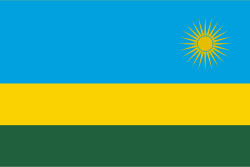 |
|---|---|
| Status | Independent State |
| Social and Moral Index | 137th best |
| Capital | Kigali |
| Land Area | 24 670km21 |
| Location | Africa |
| Population | 12.3m2 |
| Life Expectancy | 66.07yrs (2017)3 |
| GNI | $2 210 (2017)4 |
| ISO3166-1 Codes | RW, RWA, 6465 |
| Internet Domain | .rw6 |
| Currency | Franc (RWF)7 |
| Telephone | +2508 |
- 1959-1994 Period of Civil Wars and Genocide
- Rwanda National and Social Development
- Rwanda's Demographics and Migration
- Human Rights, Equality & Tolerance
- Rwanda's Health
- Rwanda's Responsibility Towards The Environment
- Rwanda's Modernity and Learning
- Rwanda's Culture, Peace and Inequality
- Religion and Beliefs
- Links
1. 1959-1994 Period of Civil Wars and Genocide 9
#burundi #congo,_dr #rwanda #tanzania #uganda
In 1994, Rwanda imploded. In a three-month period, a million people were killed - one in ten people; across every city, town and village. 11% of the whole population died10,11. It "produced the third largest body count among the world's genocides since 1950, topped only by the killings of the 1970s in Cambodia and of 1971 in Bangladesh"12. Doctors killed their patients, students killed their teachers. Joining en masse into militias with competing aims, work colleagues, villagers, townspeople, locals and street-neighbours all killed each other.
There were two main divides: the Tutsi and the Hutu, which are loosely called ethnic groups, and an economic divide between those who were desperate for food and resources, and some who were comfortable, had resources, and who could hire militias and bodyguards either at the behest of the murderous government, or for their own purposes.
The Ethnic Causes of Genocide are emphasized by the CIA World Factbook, starting with the 1959 revolution by the majority Hutus, who overthrew the Tutsi king:
“Over the next several years, thousands of Tutsis were killed, and some 150,000 driven into exile in neighboring countries. The children of these exiles later formed a rebel group, the Rwandan Patriotic Front (RPF), and began a civil war in 1990. The war, along with several political and economic upheavals, exacerbated ethnic tensions, culminating in April 1994 in a state-orchestrated genocide, in which Rwandans killed up to a million of their fellow citizens, including approximately three-quarters of the Tutsi population. The genocide ended later that same year when the predominantly Tutsi RPF, operating out of Uganda and northern Rwanda, defeated the national army and Hutu militias, and established an RPF-led government of national unity. Approximately 2 million Hutu refugees - many fearing Tutsi retribution - fled to neighboring Burundi, Tanzania, Uganda, and former Zaire. Since then, most of the refugees have returned to Rwanda, but several thousand remained in the neighboring Democratic Republic of the Congo (DRC, the former Zaire) and formed an extremist insurgency bent on retaking Rwanda, much as the RPF did in 1990. [...] Rwanda in 2009 staged a joint military operation with the Congolese Army in DRC to rout out the Hutu extremist insurgency there.”
CIA's The World Factbook (2013)13
Overpopulation and Economic Inequality are highlighted by Jared Diamond as the most overlooked driver of war. There were too many people for the resources that Rwanda had, especially food production; the economic woes were apparent especially from 1988.10.
 A great number of Rwandans are difficult to designate into either main group; 1 in 4 "have both Hutu and Tutsi among their great-grandparents"; they are intermarried, and share villages, churches, chiefs, doctors and teachers. Before the Belgians introduced identity cards, many in both groups would sometimes simply switch ethnic identity. Many Tutsi died while protecting Hutu friends; many Hutu died fighting other Hutu, many Tutsi died fighting other Tutsi. Violence occurred even in places where there were no ethnic divides. 5% died - 1 in 20 - in northwestern Rwanda, where almost everybody was Hutu. Mass killings took place in villages where there was just one Tutsi.
“The Twa or pygmies [...] numbered only 1% of the population, were at the bottom of the social scale and power structure, and did not constitute a threat to anybody - yet most of them, too, were massacred in the 1994 killings.”
From 1988, most people who produced food could not provide for themselves, especially the small farms. Some people, a few, were faring adequately, and owned the farms that had bought up all the remaining profitable land, mediocre though it was. In the buildup to 1994, rising crime and violence correlated with population density. Come 1994, those who owned more land were disproportionately killed. Many young men died, especially poor ones, as they joined militias as the only choice that could possibly provide some income for their families, even though militia leaders were the ones encouraging the bloodshed. Aside from direct violence, in the general population, many died of starvation.10
“The people whose children had to walk barefoot to school killed the people who could buy shoes for theirs.”
A Tutsi teacher who survived because he happened to be away from home when killers arrived and murdered his wife and four of his five children15.
Even today, after the massacres, some Rwandans still argue that the occasional war is required to thin numbers16.
Normalisation: With power consolidated, 75% of their enemies killed, the Tutsi government settled back into the role of governing. With defeat, revenge and violent justice is demanded by many armed gangs as part of the neverending cycle of ethnic war, but, the winners get to write the history and corral the political support of neighbours.
“Rwanda held its first local elections in 1999 and its first post-genocide presidential and legislative elections in 2003. Rwanda in 2009 staged a joint military operation with the Congolese Army in DRC to rout out the Hutu extremist insurgency there, and Kigali and Kinshasa restored diplomatic relations. Rwanda also joined the Commonwealth in late 2009. In January 2013, Rwanda assumed a nonpermanent seat on the UN Security Council for the 2013-14 term.”
CIA's The World Factbook (2013)13
“While the scars still run deep, Rwanda has done a remarkable job of healing its wounds and turning towards the future with a surprising measure of optimism. [...] Today the country is one of ethnic unity and relative political stability, and a new-found air of optimism pervades the country.
Tourism is once again a key contributor to the economy and the industry´s brightest star is the chance to track rare mountain gorillas through bamboo forests in the shadow of the Virunga volcanoes. Of course, 'Le Pays des Mille Collines' (the Land of a Thousand Hills) isn't all monkey business: Rwanda is a lush country of endless mountains and stunning scenery. The shores of Lake Kivu conceal some of Africa's best inland beaches, while Parc National Nyungwe Forest protects extensive tracts of montane rainforest.”
Lonley Planet's rhetoric is a little on the optimistic side. Yet, although the statistics on this page reflect the violence in every metric, since the 1990s things are improving. To learn from its past, Rwanda must control its population, ensure resources are divded fairly, and engage in a long, urgent, meaningful and heartful series of apologies to the victims of war and genocide, to dampen the echoes of violence.
2. Rwanda National and Social Development
#economics #human_development #wealth
| UN HDI (2021)17 | ||
|---|---|---|
| Pos. | Higher is better Value17 | |
| 1 | Switzerland | 0.962 |
| 2 | Norway | 0.961 |
| 3 | Iceland | 0.959 |
| ... | ||
| 162 | Togo | 0.539 |
| 163= | Haiti | 0.535 |
| 163= | Nigeria | 0.535 |
| 165 | Rwanda | 0.534 |
| 166= | Benin | 0.525 |
| 166= | Uganda | 0.525 |
| 168 | Lesotho | 0.514 |
| 169 | Malawi | 0.512 |
| Africa Avg | 0.56 | |
| World Avg | 0.72 | |
| q=191. | ||
| Gross National Income Per-Capita (2021)17 | ||
|---|---|---|
| Pos. | Higher is better PPP $17 | |
| 1 | Liechtenstein | $146 830 |
| 2 | Singapore | $90 919 |
| 3 | Qatar | $87 134 |
| ... | ||
| 169 | Solomon Islands | $2 482 |
| 170 | Guinea | $2 481 |
| 171 | Ethiopia | $2 361 |
| 172 | Rwanda | $2 210 |
| 173 | Uganda | $2 181 |
| 174 | Gambia | $2 172 |
| 175 | Togo | $2 167 |
| 176 | Mali | $2 133 |
| Africa Avg | $5 339 | |
| World Avg | $20 136 | |
| q=193. | ||
| Social & Moral Development Index18 | ||
|---|---|---|
| Pos. | Lower is better Avg Rank18 | |
| 1 | Denmark | 27.2 |
| 2 | Norway | 29.2 |
| 3 | Sweden | 30.2 |
| ... | ||
| 134 | Namibia | 106.4 |
| 135 | Vanuatu | 106.7 |
| 136 | Palestine | 106.8 |
| 137 | Rwanda | 107.2 |
| 138 | Sao Tome & Principe | 107.5 |
| 139 | Bangladesh | 107.6 |
| 140 | Turkmenistan | 108.2 |
| 141 | Samoa | 108.9 |
| Africa Avg | 115.2 | |
| World Avg | 89.2 | |
| q=200. | ||
The United Nations produces an annual Human Development Report which includes the Human Development Index. The factors taken into account include life expectancy, education and schooling and Gross National Income (GNI) amongst many others..
The Social and Moral Development Index concentrates on moral issues and human rights, violence, public health, equality, tolerance, freedom and effectiveness in climate change mitigation and environmentalism, and on some technological issues. A country scores higher for achieving well in those areas, and for sustaining that achievement in the long term. Those countries towards the top of this index can truly said to be setting good examples and leading humankind onwards into a bright, humane, and free future. See: Which are the Best Countries in the World? The Social and Moral Development Index.
3. Rwanda's Demographics and Migration
#birth_control #demographics #fertility #health #immigration #life_expectancy #longevity #migration #overpopulation #population #yemen
Population Datasets:
Rwanda's population is predicted to rise to 17.58 million by 2030. These millions of extra people will all need space to live, food to eat, energy to consume, and will increase the burden on the planet's resources. This country has a fertility rate of 3.75. The fertility rate is, in simple terms, the average amount of children that each woman has. The higher the figure, the quicker the population will grow, although, to calculate the rate you also need to take into account morbidity - the rate at which people die. If people live healthy and long lives and morbidity is low, then, 2.0 approximates to the replacement rate (two new children for each set of parents who die), which would keep the population stable. If all countries had such a fertility rate, population growth would end. The actual replacement rate in most developed countries is around 2.1, once you take mortality into account19. The highest fertility rate ever detected in a single year was in Yemen in 1985, at 8.86.20| Population2 | ||
|---|---|---|
| Pos. | 2018 Population2 | |
| 1 | China | 1.4b |
| 2 | India | 1.4b |
| 3 | USA | 327.1m |
| ... | ||
| 72 | Somalia | 15.0m |
| 73 | Zimbabwe | 14.4m |
| 74 | Guinea | 12.4m |
| 75 | Rwanda | 12.3m |
| 76 | Tunisia | 11.6m |
| 77 | Benin | 11.5m |
| 78 | Belgium | 11.5m |
| 79 | Bolivia | 11.4m |
| World Avg | 39.0m | |
| q=195. | ||
| Life Expectancy Higher is better17 | ||
|---|---|---|
| Pos. | 2021 Years17 | |
| 1 | Monaco | 85.9 |
| 2 | Hong Kong | 85.5 |
| 3 | Japan | 84.8 |
| ... | ||
| 140 | Eritrea | 66.5 |
| 141 | Tanzania | 66.2 |
| 142 | Pakistan | 66.1 |
| 143 | Rwanda | 66.1 |
| 144 | Palau | 66.0 |
| 145 | Gabon | 65.8 |
| 146 | Guyana | 65.7 |
| 147 | Myanmar | 65.7 |
| World Avg | 71.28 | |
| q=195. Also scored for 1990s-2010s. | ||
| Fertility Rate 2.0 is best21 | ||
|---|---|---|
| Pos. | 202221 | |
| 1 | US Virgin Islands | 2.00 |
| 2 | Ecuador | 2.00 |
| 3 | Nepal | 2.01 |
| ... | ||
| 167 | Ghana | 3.51 |
| 168 | Vanuatu | 3.70 |
| 169 | Yemen | 3.72 |
| 170 | Rwanda | 3.75 |
| 171 | Sao Tome & Principe | 3.75 |
| 172 | Eritrea | 3.79 |
| 173 | Madagascar | 3.79 |
| 174 | Malawi | 3.85 |
| World Avg | 2.47 | |
| q=208. Also scored for 1960s-2010s. | ||
| Old-Age Dependency Ratio Lower is better22 | ||
|---|---|---|
| Pos. | 2016 Per 10022 | |
| 1 | Uganda | 04.3 |
| 2 | Mali | 04.5 |
| 3= | Chad | 04.7 |
| ... | ||
| 45= | Kuwait | 06.8 |
| 46= | Congo, (Brazzaville) | 07.0 |
| 46= | Solomon Islands | 07.0 |
| 46= | Rwanda | 07.0 |
| 49 | Namibia | 07.4 |
| 50= | Botswana | 07.7 |
| 50= | UAE | 07.7 |
| 52 | Oman | 07.8 |
| World Avg | 18.3 | |
| q=185. | ||
Migration Datasets:
| Immigrants23 | ||
|---|---|---|
| Pos. | 2017 %23 | |
| 1 | UAE | 88.4% |
| 2 | Kuwait | 75.5% |
| 3 | Qatar | 65.2% |
| ... | ||
| 97 | Trinidad & Tobago | 3.7% |
| 98 | Togo | 3.6% |
| 99 | Uzbekistan | 3.6% |
| 100 | Rwanda | 3.6% |
| 101 | Moldova | 3.5% |
| 102 | Slovakia | 3.4% |
| 103 | Turkmenistan | 3.4% |
| 104 | Iran | 3.3% |
| World Avg | 9.4% | |
| q=195. | ||
| Emigrants24 | ||
|---|---|---|
| Pos. | 2010 %24 | |
| 1 | Dominica | 104.8% |
| 2 | Palestine | 68.4% |
| 3 | Samoa | 67.3% |
| ... | ||
| 143 | Angola | 2.8% |
| 144 | France | 2.8% |
| 145 | Costa Rica | 2.7% |
| 146 | Rwanda | 2.6% |
| 147 | Pakistan | 2.5% |
| 148 | Vietnam | 2.5% |
| 149 | Niger | 2.4% |
| 150 | Argentina | 2.4% |
| World Avg | 11.5% | |
| q=192. | ||
4. Human Rights, Equality & Tolerance
#equality #freedom #gender_equality #human_rights #morals #politics #prejudice #rwanda #rwanda_human_rights #tolerance #UK
| Human Rights, Equality & Tolerance (2025)25 | ||
|---|---|---|
| Pos. | Lower is better Avg Rank25 | |
| 1 | Sweden | 7.5 |
| 2 | Netherlands | 8.6 |
| 3 | Denmark | 9.0 |
| ... | ||
| 115 | Kyrgyzstan | 102.2 |
| 116 | Vietnam | 102.6 |
| 117 | Marshall Islands | 102.9 |
| 118 | Rwanda | 103.1 |
| 119 | Haiti | 104.1 |
| 120 | Russia | 104.6 |
| Africa Avg | 116.60 | |
| World Avg | 90.04 | |
| q=198. | ||
For tables, charts and commentary, see:
5. Rwanda's Health
| Compared to Africa (2025)32 | ||
|---|---|---|
| Pos. | Lower is better Avg Rank32 | |
| 1 | Mauritius | 72.2 |
| 2 | Tunisia | 73.9 |
| 3 | Seychelles | 78.0 |
| ... | ||
| 9 | Botswana | 108.7 |
| 10 | Egypt | 113.2 |
| 11 | Ghana | 117.4 |
| 12 | Rwanda | 117.5 |
| 13 | Kenya | 119.7 |
| 14 | Eritrea | 120.8 |
| 15 | Gambia | 120.8 |
| 16 | S. Africa | 123.0 |
| 17 | Namibia | 125.2 |
| Africa Avg | 127.77 | |
| q=54. | ||
| Health (2025)32 | ||
|---|---|---|
| Pos. | Lower is better Avg Rank32 | |
| 1 | Monaco | 10.3 |
| 2 | Liechtenstein | 30.1 |
| 3 | Japan | 40.8 |
| ... | ||
| 141 | Nepal | 115.8 |
| 142 | Guatemala | 116.5 |
| 143 | Ghana | 117.4 |
| 144 | Rwanda | 117.5 |
| 145 | Suriname | 117.8 |
| 146 | Tuvalu | 118.6 |
| 147 | Kenya | 119.7 |
| 148 | Syria | 120.7 |
| World Avg | 97.39 | |
| q=207. | ||
The countries with the best overall approach to public health, in terms of both public policy and individual lifestyle choices, are Monaco, Liechtenstein and Japan33. These countries are worth emulating. And, although often through no fault of the average citizen, the worst countries are Angola, Somalia and S. Sudan33.
42 datasets are used to calculate points for each country, including multiple decades of data on its average life expectancy, its alcohol consumption rate, its fertility rate, its smoking rate, its suicide rate, its food aid and health contributions and WHO compliance, the prevalence of overweight adults, obesity rate, its adolescent birth rate, delivery rate of infant DTP immunizations, delivery rate of 7x Infant Immunizations 2011-2015 and childhood mortality. The regions with the best average results per country are Scandinavia, Europe and The Mediterranean33, whereas the worst are Micronesia, Africa and Melanesia33.
For more, see:
5.1. Health Datasets
#2010s #alcohol #birth_control #demographics #health #life_expectancy #longevity #marshall_islands #mental_health #obesity #overpopulation #rwanda #smoking #south_sudan #suicide #yemen
Rwanda has some poor policies and cultural issues which cause some public health problems. Rwanda comes in the best 20 in the prevalence of overweight adults34. It does better than average for delivery rate of 7x Infant Immunizations 2011-201535, its smoking rate36, delivery rate of infant DTP immunizations in the 2020s37 and in its adolescent birth rate38. Rwanda still has work to do. Rwanda does worse than average in its suicide rate39, its alcohol consumption rate40, its food aid and health contributions and WHO compliance41, its average life expectancy17 (still high for Africa), childhood mortality in the 2020s42 and in its fertility rate21 (still low for Africa). The prevalence of overweight adults has increased by 14% over the past 40 years.Life expectancy in Rwanda in 1990 was 48.4yrs, much lower than the global average of 64.6. After the awful genocide of 1994, from 1995 to 1998 it had the second-lowest life expectancy in the world (after South Sudan). But it improved greatly, by +18yrs, in the 30 years from then (especially in the 2010s), well over double the global average improvement of +7.9yrs.
Rwanda had the 2nd-highest average fertility rate in the world in the 1960s and 1970s (after the Marshall Islands and then after Yemen), but it declined to 7.7 in the 1980s, the 3rd-highest average of all countries in that decade. Its peak fertility rate was 8.25 in 1978. Overall, it is amongst only 41 countries who have seen their fertility rate drop by more than 4 since the 1960s.
| Life Expectancy Higher is better17 | ||
|---|---|---|
| Pos. | 2021 Years17 | |
| 1 | Monaco | 85.9 |
| 2 | Hong Kong | 85.5 |
| 3 | Japan | 84.8 |
| ... | ||
| 140 | Eritrea | 66.5 |
| 141 | Tanzania | 66.2 |
| 142 | Pakistan | 66.1 |
| 143 | Rwanda | 66.1 |
| 144 | Palau | 66.0 |
| 145 | Gabon | 65.8 |
| 146 | Guyana | 65.7 |
| 147 | Myanmar | 65.7 |
| Africa Avg | 62.79 | |
| World Avg | 71.28 | |
| q=195. Also scored for 1990s-2010s. | ||
| Alcohol Consumption Lower is better40 | ||
|---|---|---|
| Pos. | 2016 Per Capita40 | |
| 1 | Bangladesh | 0.0 |
| 2 | Kuwait | 0.0 |
| 3 | Libya | 0.0 |
| ... | ||
| 132= | Croatia | 8.9 |
| 132= | Cameroon | 8.9 |
| 132= | Canada | 8.9 |
| 135 | Rwanda | 9.0 |
| 136 | Iceland | 9.1 |
| 137 | Sweden | 9.2 |
| 138= | Chile | 9.3 |
| 138= | Grenada | 9.3 |
| Africa Avg | 4.8 | |
| World Avg | 6.2 | |
| q=189. | ||
| Fertility Rate 2.0 is best21 | ||
|---|---|---|
| Pos. | 202221 | |
| 1 | US Virgin Islands | 2.00 |
| 2 | Ecuador | 2.00 |
| 3 | Nepal | 2.01 |
| ... | ||
| 167 | Ghana | 3.51 |
| 168 | Vanuatu | 3.70 |
| 169 | Yemen | 3.72 |
| 170 | Rwanda | 3.75 |
| 171 | Sao Tome & Principe | 3.75 |
| 172 | Eritrea | 3.79 |
| 173 | Madagascar | 3.79 |
| 174 | Malawi | 3.85 |
| Africa Avg | 3.97 | |
| World Avg | 2.47 | |
| q=208. Also scored for 1960s-2010s. | ||
| Smoking in the 2020s Lower is better36 | ||
|---|---|---|
| Pos. | Smoking in the 2020s %36 | |
| 1 | Nigeria | 3.3% |
| 2 | Ghana | 3.4% |
| 3 | Panama | 5.2% |
| ... | ||
| 57= | Burkina Faso | 14.3% |
| 57= | Norway | 14.3% |
| 57= | UK | 14.3% |
| 60 | Rwanda | 14.3% |
| 61 | Zambia | 14.6% |
| 62 | Saudi Arabia | 14.9% |
| 63 | Mexico | 14.9% |
| 64 | Bahrain | 15.0% |
| Africa Avg | 12.4% | |
| World Avg | 20.0% | |
| q=165. Also scored for 2000s-2020s. | ||
| Suicide Rate in the 2010s Lower is better39 | ||
|---|---|---|
| Pos. | Suicide Rate in the 2010s Per 100k39 | |
| 1= | Jordan | 1.00 |
| 1= | Sao Tome & Principe | 1.00 |
| 1= | Antigua & Barbuda | 1.00 |
| ... | ||
| 97 | Djibouti | 7.39 |
| 98 | Seychelles | 7.63 |
| 99= | Somalia | 7.84 |
| 99= | Rwanda | 7.84 |
| 101 | Qatar | 7.87 |
| 102 | Spain | 7.88 |
| 103 | Ecuador | 8.02 |
| 104 | Haiti | 8.11 |
| Africa Avg | 7.70 | |
| World Avg | 9.24 | |
| q=185. Also scored for 2000s-2010s. | ||
| Food Aid, Health Contributions & WHO Compliance Lower is better41 | ||
|---|---|---|
| Pos. | 2017 Rank41 | |
| 1 | Sweden | 1 |
| 2 | Ireland | 2 |
| 3 | Denmark | 3 |
| ... | ||
| 138 | Albania | 138 |
| 139 | Ghana | 139 |
| 140 | Chad | 140 |
| 141 | Rwanda | 141 |
| 142 | Mali | 142 |
| 143 | Niger | 143 |
| 144 | Marshall Islands | 144 |
| 145 | Botswana | 145 |
| Africa Avg | 117.0 | |
| World Avg | 82.0 | |
| q=163. | ||
| Overweight Adults Lower is better34 | ||
|---|---|---|
| Pos. | 1976 %34 | |
| 1 | Bangladesh | 4.7 |
| 2 | Vietnam | 5.1 |
| 3 | Nepal | 5.4 |
| ... | ||
| 15 | Myanmar | 7.6 |
| 16 | Burundi | 7.7 |
| 17 | Niger | 7.8 |
| 18 | Rwanda | 7.9 |
| 19 | Uganda | 8.0 |
| 20= | Madagascar | 8.1 |
| 20= | Eritrea | 8.1 |
| 22 | Chad | 8.2 |
| Africa Avg | 13.4 | |
| World Avg | 27.1 | |
| q=191. | ||
| Adult Obesity Lower is better43 | ||
|---|---|---|
| Pos. | 2022 %43 | |
| 1 | Vietnam | 2.1% |
| 2 | Timor-Leste (E. Timor) | 2.2% |
| 3 | Ethiopia | 2.4% |
| 4 | Madagascar | 3.8% |
| 5 | Eritrea | 4.2% |
| 6 | Cambodia | 4.4% |
| 7 | Burundi | 4.5% |
| 8 | Rwanda | 4.6% |
| 9 | Japan | 4.9% |
| 10 | Bangladesh | 5.3% |
| 11 | Niger | 5.3% |
| 12 | Chad | 5.7% |
| Africa Avg | 13.7% | |
| World Avg | 24.7% | |
| q=199. Also scored for 1990s-2010s. | ||
5.2. Children's Health Datasets
#children's_health #health #parenting #population #vaccines
| Adolescent Birth Rate Lower is better38 | ||
|---|---|---|
| Pos. | 2022 Per 100038 | |
| 1 | Hong Kong | 1.6 |
| 2 | Denmark | 1.8 |
| 3 | S. Korea | 2.1 |
| ... | ||
| 87 | Tuvalu | 31.7 |
| 88 | Jamaica | 32.0 |
| 89 | Grenada | 32.1 |
| 90 | Rwanda | 32.2 |
| 91 | Antigua & Barbuda | 32.3 |
| 92 | Myanmar | 32.8 |
| 93 | Indonesia | 32.9 |
| 94 | Timor-Leste (E. Timor) | 33.3 |
| Africa Avg | 84.6 | |
| World Avg | 43.8 | |
| q=195. Also scored for 1990s-2010s. | ||
| Infant DTP Immunizations (2020s) Higher is better37 | ||
|---|---|---|
| Pos. | Infant DTP Immunizations (2020s) Avg %37 | |
| 1= | Luxembourg | 99.0 |
| 1= | Oman | 99.0 |
| 1= | Niue | 99.0 |
| ... | ||
| 80 | Czechia | 95.1 |
| 81 | Kenya | 94.9 |
| 82 | Bermuda | 94.8 |
| 83= | Rwanda | 94.8 |
| 83= | UAE | 94.8 |
| 85= | Thailand | 94.6 |
| 85= | Trinidad & Tobago | 94.6 |
| 85= | Armenia | 94.6 |
| Africa Avg | 82.9 | |
| World Avg | 88.5 | |
| q=211. Also scored for 1980s-2020s. | ||
| 7x Infant Immunizations (2011-2015) Higher is better35 | ||
|---|---|---|
| Pos. | 2015 Avg %35 | |
| 1= | Hungary | 99.0 |
| 1= | China | 99.0 |
| 3 | Uzbekistan | 98.9 |
| ... | ||
| 45 | Bahamas | 96.2 |
| 46 | Maldives | 96.2 |
| 47 | Tajikistan | 96.1 |
| 48 | Rwanda | 96.1 |
| 49 | Sao Tome & Principe | 96.0 |
| 50 | Malaysia | 96.0 |
| 51 | Croatia | 95.9 |
| 52 | Nicaragua | 95.9 |
| Africa Avg | 81.7 | |
| World Avg | 88.3 | |
| q=194. | ||
| Infant Mortality (2020s) Lower is better42 | ||
|---|---|---|
| Pos. | Infant Mortality (2020s) Per 100042 | |
| 1 | San Marino | 2.11 |
| 2 | Finland | 2.59 |
| 3 | Luxembourg | 2.60 |
| ... | ||
| 146 | Yemen | 49.34 |
| 147 | Comoros | 49.44 |
| 148 | Mauritania | 49.55 |
| 149 | Rwanda | 50.42 |
| 150 | Botswana | 50.43 |
| 151 | Papua New Guinea | 52.31 |
| 152 | Namibia | 52.36 |
| 153 | Myanmar | 52.96 |
| Africa Avg | 71.63 | |
| World Avg | 32.19 | |
| q=195. Also scored for 1960s-2020s. | ||
6. Rwanda's Responsibility Towards The Environment
#biodiversity #climate_change #deforestation #environmentalism #food #internationalism #meat #over-exploitation #rwanda #the_environment #veganism #vegetarianism
| Compared to Africa (2025)44 | ||
|---|---|---|
| Pos. | Lower is better Avg Rank44 | |
| 1 | Morocco | 46.5 |
| 2 | Burundi | 47.8 |
| 3 | Mali | 51.0 |
| 4 | Madagascar | 52.4 |
| 5 | Nigeria | 55.8 |
| 6 | Rwanda | 56.4 |
| 7 | Uganda | 57.8 |
| 8 | Kenya | 57.9 |
| 9 | Mauritius | 58.1 |
| 10 | Ghana | 58.6 |
| 11 | Tunisia | 60.1 |
| 12 | Niger | 61.3 |
| 13 | Tanzania | 61.6 |
| Africa Avg | 78.58 | |
| q=53. | ||
| Responsibility Towards The Environment (2025)44 | ||
|---|---|---|
| Pos. | Lower is better Avg Rank44 | |
| 1 | Sri Lanka | 34.9 |
| 2 | Uruguay | 43.2 |
| 3 | Switzerland | 45.0 |
| ... | ||
| 12 | Mali | 51.0 |
| 13 | Madagascar | 52.4 |
| 14 | Nigeria | 55.8 |
| 15 | Rwanda | 56.4 |
| 16 | Chile | 56.4 |
| 17 | Peru | 56.7 |
| 18 | Liechtenstein | 56.8 |
| 19 | Japan | 57.4 |
| World Avg | 84.93 | |
| q=199. | ||
We have known for a long term that we must protect the environment from habitation destruction, over-exploitation, pollution, and the emissions that cause climate change. In 1998, Greenpeace wrote that "Environment can no longer be meaningfully separated from health, quality of life, democracy, education, economy or trade"45. What countries have been doing the right thing, via legislation and national culture? All countries' current and historical approach towards the environment is gauged via 21 datasets, including multiple decades of data on its forested percent change 2000-2020, its environmental performance, energy to GDP efficiency, its sign-up rate to major international accords on protecting the environment, the rate of rational beliefs on the environment in the population, reducing annual meat consumption per person and its score on the Green Future Index.
The countries that do the best (Sri Lanka, Uruguay and Switzerland) tend to have avoided the excesses of early industrial countries, and have not yet repeated the same mistakes of environmental destruction - at least, not on the same scale. The regions with the best average results per country are Central America, South America and Scandinavia. The worst are Eritrea, The Vatican City and Timor-Leste (E. Timor), and the worst regions Micronesia, Australasia and Melanesia.
For more, see:
With regard to its responsibility towards the environment, Rwanda comes 15th-best in the world. This rank is formulated from 21 data sets. Rwanda does the best in terms of energy to GDP efficiency46. It comes in the best 20 in reducing annual meat consumption per person47. But that's it. Rwanda has problems. It does worse than average when it comes to the rate of rational beliefs on the environment in the population48, its sign-up rate to major international accords on protecting the environment, its environmental performance49 and in its forested percent change 2000-202050.| Forest Area Change 2000-2020 Higher is better50 | ||
|---|---|---|
| Pos. | Total50 | |
| 1 | Guernsey | 82.6% |
| 2 | Bahrain | 75.2% |
| 3 | Iceland | 64.7% |
| ... | ||
| 161 | S. Korea | -2.9% |
| 162 | Timor-Leste (E. Timor) | -3.0% |
| 163 | American Samoa | -3.4% |
| 164 | Rwanda | -3.5% |
| 165 | Trinidad & Tobago | -3.6% |
| 166 | Mexico | -4.0% |
| 167 | Peru | -4.0% |
| 168 | S. Africa | -4.1% |
| Africa Avg | -8.7% | |
| World Avg | -0.1% | |
| q=234. | ||
| Environmental Performance Higher is better49 | ||
|---|---|---|
| Pos. | 201849 | |
| 1 | Switzerland | 87.4 |
| 2 | France | 84.0 |
| 3 | Denmark | 81.6 |
| ... | ||
| 145 | Uganda | 44.3 |
| 146 | Comoros | 44.2 |
| 147 | Mali | 43.7 |
| 148 | Rwanda | 43.7 |
| 149 | Zimbabwe | 43.4 |
| 150 | Cambodia | 43.2 |
| 151 | Solomon Islands | 43.2 |
| 152 | Iraq | 43.2 |
| Africa Avg | 46.4 | |
| World Avg | 56.4 | |
| q=180. | ||
| Energy to GDP Efficiency Lower is better46 | ||
|---|---|---|
| Pos. | 2022 Avg46 | |
| 1 | Rwanda | 0.25 |
| 2 | Chad | 0.26 |
| 3 | Tanzania | 0.31 |
| 4 | Uganda | 0.37 |
| 5 | Sierra Leone | 0.37 |
| 6 | Malawi | 0.37 |
| 7 | Madagascar | 0.38 |
| 8 | Sri Lanka | 0.39 |
| 9 | Burundi | 0.41 |
| 10 | Central African Rep. | 0.41 |
| 11 | Ethiopia | 0.42 |
| 12 | Afghanistan | 0.43 |
| Africa Avg | 0.83 | |
| World Avg | 1.23 | |
| q=165. Also scored for 1960s-2010s. | ||
| International Accords on the Environment Higher is better | ||
|---|---|---|
| Pos. | International Accords on the Environment Avg Rate | |
| 1 | Sweden | 83% |
| 2 | Canada | 82% |
| 3 | Norway | 81% |
| ... | ||
| 113 | Israel | 55% |
| 114 | Vietnam | 55% |
| 115 | Malta | 55% |
| 116 | Rwanda | 55% |
| 117 | Mongolia | 55% |
| 118 | Liberia | 55% |
| 119 | Chad | 55% |
| 120 | Ethiopia | 55% |
| Africa Avg | 56.4% | |
| World Avg | 57.5% | |
| q=197. Also scored for 1970s-2020s. | ||
| Rational Beliefs on the Environment Higher is better48 | ||
|---|---|---|
| Pos. | 2011 %48 | |
| 1 | Argentina | 78.3% |
| 2 | Greece | 77.6% |
| 3 | Brazil | 77.1% |
| ... | ||
| 78 | Namibia | 36.6% |
| 79 | Germany | 36.1% |
| 80 | Montenegro | 35.9% |
| 81 | Rwanda | 35.8% |
| 82 | Romania | 33.4% |
| 83 | Luxembourg | 33.3% |
| 84 | Togo | 33.3% |
| 85 | Benin | 32.6% |
| Africa Avg | 38.3% | |
| World Avg | 39.9% | |
| q=145. | ||
| Meat Consumption Lower is better47 | ||
|---|---|---|
| Pos. | 2021 kg47 | |
| 1 | Congo, DR | 03.0 |
| 2 | Burundi | 03.5 |
| 3 | Bangladesh | 04.3 |
| 4 | Madagascar | 05.4 |
| 5 | India | 05.7 |
| 6 | Nigeria | 07.0 |
| 7 | Ethiopia | 07.1 |
| 8 | Rwanda | 07.6 |
| 9 | Mali | 07.8 |
| 10 | Niger | 08.1 |
| 11 | Afghanistan | 08.7 |
| 12 | Uganda | 09.4 |
| Africa Avg | 24.9 | |
| World Avg | 52.5 | |
| q=185. Also scored for 2010s. | ||
In the 2010s, Rwanda had the 9th-lowest meat consumption per person in the world.47
7. Rwanda's Modernity and Learning
#education #modernity #technology #the_internet
| Compared to Africa (2025)51 | ||
|---|---|---|
| Pos. | Lower is better Avg Rank51 | |
| 1 | S. Africa | 63.3 |
| 2 | Seychelles | 63.4 |
| 3 | Tunisia | 68.7 |
| ... | ||
| 32 | Madagascar | 131.6 |
| 33 | Lesotho | 131.8 |
| 34 | Tanzania | 132.1 |
| 35 | Rwanda | 135.7 |
| 36 | Guinea-Bissau | 136.6 |
| 37 | Central African Rep. | 137.0 |
| 38 | Guinea | 139.0 |
| 39 | Malawi | 141.7 |
| 40 | Niger | 142.3 |
| Africa Avg | 124.71 | |
| q=54. | ||
| Modernity & Learning (2025)51 | ||
|---|---|---|
| Pos. | Lower is better Avg Rank51 | |
| 1 | Finland | 6.1 |
| 2 | Iceland | 8.1 |
| 3 | Denmark | 8.8 |
| ... | ||
| 164 | Madagascar | 131.6 |
| 165 | Lesotho | 131.8 |
| 166 | Tanzania | 132.1 |
| 167 | Rwanda | 135.7 |
| 168 | Guinea-Bissau | 136.6 |
| 169 | Central African Rep. | 137.0 |
| 170 | Tuvalu | 138.6 |
| 171 | Guinea | 139.0 |
| World Avg | 84.96 | |
| q=197. | ||
The most modern countries, with the best results from education, the highest levels of research, and with the easiest access to information on the Internet, are Finland, Iceland and Denmark52. The worst countries are S. Sudan, Eritrea and Somalia52. Despite improves in global education, access to tertiary (adult) education is becoming increasingly unequal between the rich haves and the poor have-nots53.
“Education, at all levels and ages, is the single most vital support for equality as well as being a country's most vital economic and social resource. [...] Every successful aspirant to modernisation and economic development, from Japan to South Korea, China to Chile, has got there with a big emphasis on education.”
Bill Emmott (2017)54
27 datasets are used to calculate points for each country, including multiple decades of data on Research and Development, Intellectual Endeavours, metric system adoption rate, Religiosity, IQ, Secondary Education, Length of Schooling, Maths, Science & Reading, the percent of citizens with access to the internet, Freedom On The Internet, IT Security, IPv6 Uptake and digital quality of life. The regions with the best average results per country are Scandinavia, Baltic States and Europe52, whereas the worst are Melanesia, Africa and Micronesia52.
For more, see:
- " Which Countries are Most Modern, With the Best Education and Internet Access?" by Vexen Crabtree (2025).
7.1. Modernity Datasets
#intelligence #metric #religion #religiosity #secularisation
| Intellectual Endeavours Lower is better41 | ||
|---|---|---|
| Pos. | 2017 Rank41 | |
| 1 | Ukraine | 1 |
| 2 | Czechia | 2 |
| 3 | Hungary | 3 |
| ... | ||
| 115 | Bahrain | 115 |
| 116 | Kazakhstan | 116 |
| 117 | Sri Lanka | 117 |
| 118 | Rwanda | 118 |
| 119 | Guatemala | 119 |
| 120 | Niger | 120 |
| 121 | El Salvador | 121 |
| 122 | Dominican Rep. | 122 |
| Africa Avg | 106.4 | |
| World Avg | 82.0 | |
| q=163. | ||
| Metric System Adoption Rate Higher is better55 | ||
|---|---|---|
| Pos. | 2025 %55 | |
| 1= | Slovakia | 100 |
| 1= | Poland | 100 |
| 1= | Portugal | 100 |
| ... | ||
| 140= | UAE | 90 |
| 140= | St Lucia | 90 |
| 140= | St Kitts & Nevis | 90 |
| 140= | Rwanda | 90 |
| 140= | Qatar | 90 |
| 140= | Pakistan | 90 |
| 140= | Oman | 90 |
| 140= | Nigeria | 90 |
| Africa Avg | 90 | |
| World Avg | 92 | |
| q=187. Also scored for 1960s-2020s. | ||
Rwanda officially adopted metric in 191056. Progression:
- 1960 (50%): Colonial metric present; traditional units widely used.
- 1970 (65%): Standardization in government/education.
- 1980 (80%): Commerce largely metric; rural legacy persists.
- 2000 (85%).
- 2025 (90%): High metric usage.
| Religiosity Lower is better57 | ||
|---|---|---|
| Pos. | 2018 %57 | |
| 1 | China | 3 |
| 2 | Estonia | 6 |
| 3 | Czechia | 7 |
| ... | ||
| 90= | Guatemala | 89 |
| 91= | Honduras | 90 |
| 91= | Cameroon | 90 |
| 91= | Rwanda | 90 |
| 91= | Liberia | 90 |
| 95= | Morocco | 91 |
| 95= | Guinea-Bissau | 91 |
| 95= | Philippines | 91 |
| Africa Avg | 87.0 | |
| World Avg | 54.3 | |
| q=106. | ||
| IQ Higher is better58 | ||
|---|---|---|
| Pos. | 200658 | |
| 1= | Hong Kong | 108 |
| 1= | Singapore | 108 |
| 3 | S. Korea | 106 |
| ... | ||
| 112= | Namibia | 70 |
| 112= | Togo | 70 |
| 112= | Botswana | 70 |
| 112= | Rwanda | 70 |
| 112= | Benin | 70 |
| 117= | Ivory Coast | 69 |
| 117= | Malawi | 69 |
| 117= | Niger | 69 |
| Africa Avg | 70.6 | |
| World Avg | 85.6 | |
| q=138. | ||
7.2. Education Datasets
| Secondary Education Higher is better59 | ||
|---|---|---|
| Pos. | 201859 | |
| 1= | Luxembourg | 100.0% |
| 1= | Estonia | 100.0% |
| 1= | Austria | 100.0% |
| ... | ||
| 157 | Senegal | 17.6% |
| 158 | Sudan | 17.5% |
| 159 | Ethiopia | 17.1% |
| 160 | Rwanda | 16.3% |
| 161 | Tanzania | 14.3% |
| 162 | Mali | 13.1% |
| 163 | Papua New Guinea | 12.5% |
| 164 | Bhutan | 12.0% |
| Africa Avg | 34.4% | |
| World Avg | 63.0% | |
| q=169. | ||
| Length of Schooling Higher is better60 | ||
|---|---|---|
| Pos. | 2021 Years60 | |
| 1 | Australia | 21.1 |
| 2 | New Zealand | 20.3 |
| 3 | Greece | 20.0 |
| ... | ||
| 146 | Vanuatu | 11.5 |
| 147 | Cambodia | 11.5 |
| 148 | Lebanon | 11.3 |
| 149 | Rwanda | 11.2 |
| 150 | Zambia | 10.9 |
| 151 | Myanmar | 10.9 |
| 152 | N. Korea | 10.8 |
| 153 | Benin | 10.8 |
| Africa Avg | 11.0 | |
| World Avg | 13.5 | |
| q=193. Also scored for 1990s-2010s. | ||
7.3. Technology and Information Datasets
#it_security #politics #the_internet
| Internet Users (2020s) Higher is better | ||
|---|---|---|
| Pos. | Internet Users (2020s) | |
| 1= | Iceland | 99% |
| 1= | Kuwait | 99% |
| 1= | UAE | 99% |
| ... | ||
| 160 | Togo | 33% |
| 161 | Mauritania | 32% |
| 162 | Comoros | 30% |
| 163 | Rwanda | 28% |
| 164 | Benin | 28% |
| 165 | Congo, DR | 28% |
| 166 | Sudan | 26% |
| 167 | Zambia | 26% |
| Africa Avg | 41.0% | |
| World Avg | 67.8% | |
| q=188. Also scored for 1990s-2020s. | ||
| Freedom On The Internet Lower is better61 | ||
|---|---|---|
| Pos. | 201261 | |
| 1 | Estonia | 10 |
| 2 | USA | 12 |
| 3 | Germany | 15 |
| ... | ||
| 26= | Tunisia | 46 |
| 27 | Venezuela | 48 |
| 28 | Azerbaijan | 50 |
| 29 | Rwanda | 51 |
| 30 | Russia | 52 |
| 31 | Zimbabwe | 54 |
| 32 | Sri Lanka | 55 |
| 33 | Kazakhstan | 58 |
| Africa Avg | 45.0 | |
| World Avg | 46.7 | |
| q=47. | ||
| IT Security Lower is better62 | ||
|---|---|---|
| Pos. | 201362 | |
| 1= | Ireland | 0.11 |
| 1= | Luxembourg | 0.11 |
| 1= | Belize | 0.11 |
| ... | ||
| 66 | Afghanistan | 1.45 |
| 67 | Germany | 1.46 |
| 68 | Netherlands | 1.47 |
| 69 | Rwanda | 1.50 |
| 70 | Tanzania | 1.50 |
| 71 | Maldives | 1.57 |
| 72 | China | 1.59 |
| 73 | Angola | 1.61 |
| Africa Avg | 1.07 | |
| World Avg | 0.98 | |
8. Rwanda's Culture, Peace and Inequality
#charitability #culture #equality #human_development #inequality #peace
| Compared to Africa (2025)63 | ||
|---|---|---|
| Pos. | Lower is better Avg Rank63 | |
| 1 | Mauritius | 48.7 |
| 2= | Seychelles | 67.2 |
| 3 | Tunisia | 77.0 |
| ... | ||
| 19 | Ivory Coast | 105.7 |
| 20 | Lesotho | 106.3 |
| 21 | Uganda | 107.4 |
| 22 | Rwanda | 107.5 |
| 23 | Burkina Faso | 107.8 |
| 24 | Sierra Leone | 108.5 |
| 25 | Djibouti | 109.0 |
| 26 | Mauritania | 109.3 |
| 27 | Togo | 109.4 |
| Africa Avg | 109.31 | |
| q=53. | ||
| Culture, Peace & Inequality (2025)63 | ||
|---|---|---|
| Pos. | Lower is better Avg Rank63 | |
| 1 | Denmark | 10.4 |
| 2 | Netherlands | 11.8 |
| 3 | Finland | 12.2 |
| ... | ||
| 137 | Lesotho | 106.3 |
| 138 | Papua New Guinea | 106.8 |
| 139 | Uganda | 107.4 |
| 140 | Rwanda | 107.5 |
| 141 | Burkina Faso | 107.8 |
| 142 | Bangladesh | 108.2 |
| 143 | Sierra Leone | 108.5 |
| 144 | Djibouti | 109.0 |
| World Avg | 80.47 | |
| q=183. | ||
This is the final pillar of the Social and Moral Development Index; it has 39 datasets, including multiple decades of data on resisting corruption, Creativity and Culture, overall happiness, Open Trading, Aid and Development, passport utility (so far), personal financial stability, World Giving Index, its Global Peace Index rating, Peacekeeping and Security, Refugees and UN Treaties, the impact of terrorism, poverty (so far), life expectancy inequality, Income Inequality (Gini Coefficient) and Multidimensional Poverty.
For more, see:
8.1. National Culture Datasets
#corruption #freedom #internationalism #politics
Rwanda has an adequate long-term record on corruption.| Corruption Higher is better64 | ||
|---|---|---|
| Pos. | 2022 Points64 | |
| 1 | Denmark | 90.0 |
| 2= | Finland | 87.0 |
| 2= | New Zealand | 87.0 |
| ... | ||
| 51= | Grenada | 52.0 |
| 51= | Cyprus | 52.0 |
| 51= | Greece | 52.0 |
| 54= | Rwanda | 51.0 |
| 54= | Malta | 51.0 |
| 54= | Saudi Arabia | 51.0 |
| 57= | Croatia | 50.0 |
| 57= | Mauritius | 50.0 |
| Africa Avg | 32.31 | |
| World Avg | 42.98 | |
| q=180. Also scored for 1990s-2010s. | ||
| Creativity & Culture Lower is better41 | ||
|---|---|---|
| Pos. | 2017 Rank41 | |
| 1 | Belgium | 1 |
| 2 | Netherlands | 2 |
| 3 | Estonia | 3 |
| ... | ||
| 156 | Iraq | 156 |
| 157 | Iran | 157 |
| 158 | Gabon | 158 |
| 159 | Central African Rep. | 159 |
| 160 | Burundi | 160 |
| 161 | Rwanda | 161 |
| 162 | Congo, DR | 162 |
| 163 | Libya | 163 |
| Africa Avg | 117.8 | |
| World Avg | 82.0 | |
| q=163. | ||
| Open Trading, Aid & Development Lower is better41 | ||
|---|---|---|
| Pos. | 2017 Rank41 | |
| 1 | Ireland | 1 |
| 2 | Denmark | 2 |
| 3 | Sweden | 3 |
| ... | ||
| 51 | Niger | 51 |
| 52 | Sri Lanka | 52 |
| 53 | Haiti | 53 |
| 54 | Rwanda | 54 |
| 55 | Swaziland | 55 |
| 56 | Luxembourg | 56 |
| 57 | Mali | 57 |
| 58 | El Salvador | 58 |
| Africa Avg | 96.7 | |
| World Avg | 82.0 | |
| q=163. | ||
| Passport Reach (2020s) Higher is better65 | ||
|---|---|---|
| Pos. | Passport Reach (2020s) Q65 | |
| 1 | Singapore | 192.2 |
| 2 | Japan | 192.0 |
| 3 | S. Korea | 190.7 |
| ... | ||
| 137= | Benin | 62.5 |
| 137= | Mongolia | 62.5 |
| 139 | Mozambique | 62.3 |
| 140 | Rwanda | 62.2 |
| 141 | Sao Tome & Principe | 60.5 |
| 142 | Uzbekistan | 59.0 |
| 143= | Burkina Faso | 58.8 |
| 143= | India | 58.8 |
| Africa Avg | 62.9 | |
| World Avg | 108.8 | |
| q=195. Also scored for 2000s-2020s. | ||
| Personal Financial Stability in the 2020s Higher is better66 | ||
|---|---|---|
| Pos. | Personal Financial Stability in the 2020s Score66 | |
| 1 | Denmark | 9.06 |
| 2 | Switzerland | 9.00 |
| 3 | Finland | 8.96 |
| ... | ||
| 68 | Poland | 6.90 |
| 69 | Philippines | 6.85 |
| 70 | Bahrain | 6.85 |
| 71 | Rwanda | 6.85 |
| 72 | Guatemala | 6.85 |
| 73 | S. Africa | 6.83 |
| 74 | Uganda | 6.83 |
| 75 | Bolivia | 6.77 |
| Africa Avg | 5.48 | |
| World Avg | 6.46 | |
| q=165. | ||
8.2. Peace Versus Instability Datasets
#extremism #human_development #peace #politics #religious_violence #rwanda #terrorism
There are signs that Rwanda can turn things around; "globally, Rwanda has the highest proportion of people who feel safer today than they did five years ago"67, but regional strife is a feature that will be hard to repel and reverse at least in the short and medium term.
| Global Peace Index Lower is better68 | ||
|---|---|---|
| Pos. | 2023 Score68 | |
| 1 | Iceland | 1.12 |
| 2 | Denmark | 1.31 |
| 3 | Ireland | 1.31 |
| ... | ||
| 86 | Uzbekistan | 2.03 |
| 87 | Guinea-Bissau | 2.05 |
| 88= | Bangladesh | 2.05 |
| 88= | Rwanda | 2.05 |
| 90 | Ivory Coast | 2.05 |
| 91 | Tanzania | 2.06 |
| 92 | Thailand | 2.06 |
| 93 | Gabon | 2.07 |
| Africa Avg | 2.29 | |
| World Avg | 2.07 | |
| q=163. Also scored for 2010s. | ||
| Peacekeeping & Security Lower is better41 | ||
|---|---|---|
| Pos. | 2017 Rank41 | |
| 1 | Samoa | 1 |
| 2 | S. Africa | 2 |
| 3 | Tunisia | 3 |
| ... | ||
| 26 | Sri Lanka | 26 |
| 27 | Netherlands | 27 |
| 28 | Mongolia | 28 |
| 29 | Rwanda | 29 |
| 30 | Paraguay | 30 |
| 31 | Jordan | 31 |
| 32 | India | 32 |
| 33 | New Zealand | 33 |
| Africa Avg | 83.6 | |
| World Avg | 82.0 | |
| q=163. | ||
| Refugees & UN Treaties Lower is better41 | ||
|---|---|---|
| Pos. | 2017 Rank41 | |
| 1 | Austria | 1 |
| 2 | Germany | 2 |
| 3 | Netherlands | 3 |
| ... | ||
| 141 | Mongolia | 141 |
| 142 | Syria | 142 |
| 143 | Mauritania | 143 |
| 144 | Rwanda | 144 |
| 145 | Chad | 145 |
| 146 | Central African Rep. | 146 |
| 147 | El Salvador | 147 |
| 148 | Bahamas | 148 |
| Africa Avg | 104.5 | |
| World Avg | 82.0 | |
| q=163. | ||
| Impact of Terrorism Lower is better69 | ||
|---|---|---|
| Pos. | 2019 Score69 | |
| 1 | Togo | 0.00 |
| 2 | Mongolia | 0.00 |
| 3 | Swaziland | 0.00 |
| ... | ||
| 82 | Ireland | 2.69 |
| 83 | Zimbabwe | 2.83 |
| 84 | Peru | 2.84 |
| 85 | Rwanda | 2.95 |
| 86 | Nicaragua | 2.95 |
| 87 | Jordan | 3.09 |
| 88 | Italy | 3.11 |
| 89 | Paraguay | 3.12 |
| Africa Avg | 3.41 | |
| World Avg | 2.78 | |
| q=150. | ||
8.3. Economic Inequality and Poverty Datasets
#capitalism #economics #health #inequality #life_expectancy #poverty #social_development
| Poverty (2020s) Lower is better70 | ||
|---|---|---|
| Pos. | Poverty (2020s) %70 | |
| 1 | Malaysia | 0.01% |
| 2 | Bhutan | 0.01% |
| 3 | Cyprus | 0.02% |
| ... | ||
| 90 | Benin | 27.22% |
| 91 | Togo | 34.42% |
| 92 | Mali | 36.10% |
| 93 | Rwanda | 38.55% |
| 94 | Ethiopia | 38.64% |
| 95 | Chad | 39.48% |
| 96 | Guinea-Bissau | 39.86% |
| 97 | Nigeria | 41.82% |
| Africa Avg | 41.51% | |
| World Avg | 11.40% | |
| q=106. Also scored for 1980s-2020s. | ||
| Inequality in Life Expectancy Lower is better71 | ||
|---|---|---|
| Pos. | 201971 | |
| 1 | Iceland | 2.40 |
| 2= | Singapore | 2.50 |
| 2= | Hong Kong | 2.50 |
| ... | ||
| 127 | Guyana | 19.00 |
| 128 | S. Africa | 19.20 |
| 129 | Botswana | 19.40 |
| 130 | Rwanda | 19.50 |
| 131 | India | 19.70 |
| 132 | Madagascar | 21.10 |
| 133 | Senegal | 21.20 |
| 134 | Eritrea | 21.40 |
| Africa Avg | 26.10 | |
| World Avg | 14.59 | |
| q=184. | ||
| Income Inequality (Gini Coefficient) Lower is better72 | ||
|---|---|---|
| Pos. | 2023 %72 | |
| 1 | Slovakia | 24.1%73 |
| 2 | Slovenia | 24.3%73 |
| 3 | Belarus | 24.4%74 |
| ... | ||
| 138= | Ghana | 43.5%75 |
| 138= | Mexico | 43.5%76 |
| 140= | St Lucia | 43.7%77 |
| 140= | Rwanda | 43.7%75 |
| 142 | Grenada | 43.8%78 |
| 143 | S. Sudan | 44.1%75 |
| 144 | Turkey | 44.4%73 |
| 145 | Ecuador | 44.6%79 |
| Africa Avg | 40.7% | |
| World Avg | 36.5% | |
| q=167. Also scored for 1980s-2010s. | ||
Income inequality data is rarely available for Rwanda - only for 5 years between 1980 and 2019.
| Multidimensional Poverty Lower is better80 | ||
|---|---|---|
| Pos. | 2018 Severity80 | |
| 1 | Armenia | .001 |
| 2 | Ukraine | .001 |
| 3 | Serbia | .001 |
| ... | ||
| 72 | Cameroon | .243 |
| 73 | Malawi | .243 |
| 74 | Togo | .249 |
| 75 | Rwanda | .259 |
| 76 | Mauritania | .261 |
| 77 | Zambia | .261 |
| 78 | Uganda | .269 |
| 79 | Afghanistan | .272 |
| Africa Avg | .264 | |
| World Avg | .154 | |
| q=101. | ||
9. Religion and Beliefs
#buddhism #christianity #hinduism #islam #judaism #religion #religiosity #secularisation
| Religiosity (2018)57 | ||
|---|---|---|
| Pos. | Lower is better %57 | |
| 1 | China | 3 |
| 2 | Estonia | 6 |
| 3 | Czechia | 7 |
| ... | ||
| 90= | Guatemala | 89 |
| 91= | Honduras | 90 |
| 91= | Cameroon | 90 |
| 91= | Rwanda | 90 |
| 91= | Liberia | 90 |
| 95= | Morocco | 91 |
| 95= | Guinea-Bissau | 91 |
| 95= | Philippines | 91 |
| 95= | Zambia | 91 |
| 99 | Afghanistan | 92 |
| 100= | Burkina Faso | 93 |
| 100= | Tanzania | 93 |
| 100= | Indonesia | 93 |
| 103= | Mali | 94 |
| 103= | Pakistan | 94 |
| 105= | Ethiopia | 98 |
| World Avg | 54.3 | |
| q=106. | ||
Pew Forum polling over the decades has found the following adherency rates:81:
| 2010 | 2020 | |
|---|---|---|
| Christian | 96.9% | 97% |
| Muslim | 1.32% | 1.81% |
| Unaffiliated | 0.896% | 1.01% |
| Other | 0.904% | 0.147% |
| Hindu | <0.1% | <0.1% |
| Jewish | None | None |
| Buddhist | None | None |
The CIA World Factbook has slightly different data, and states: Roman Catholic 56.5%, Protestant 26%, Adventist 11.1%, Muslim 4.6%, indigenous beliefs 0.1%, none 1.7% (2001)82.
Links: