Belarus (Republic of Belarus)
https://www.humantruth.info/belarus.html
By Vexen Crabtree 2025
| Belarus Republic of Belarus | 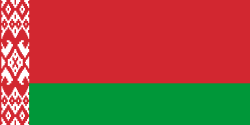 |
|---|---|
| Status | Independent State |
| Social and Moral Index | 94th best |
| Capital | Minsk |
| Land Area | 202 910km21 |
| Location | Europe |
| Population | 9.5m2 |
| Life Expectancy | 72.44yrs (2017)3 |
| GNI | $18 849 (2017)4 |
| ISO3166-1 Codes | BY, BLR, 1125 |
| Internet Domain | .by6 |
| Currency | Ruble (BYR)7 |
| Telephone | +3758 |
- Overview
- Belarus National and Social Development
- Belarus's Demographics and Migration
- Human Rights, Equality & Tolerance
- Belarus's Health
- Belarus's Responsibility Towards The Environment
- Belarus's Modernity and Learning
- Belarus's Culture, Peace and Inequality
- Religion and Beliefs
- Links
1. Overview
“After seven decades as a constituent republic of the USSR, Belarus attained its independence in 1991. It has retained closer political and economic ties to Russia than any of the other former Soviet republics. Belarus and Russia signed a treaty on a two-state union on 8 December 1999 envisioning greater political and economic integration. Although Belarus agreed to a framework to carry out the accord, serious implementation has yet to take place. Since his election in July 1994 as the country's first president, Aleksandr LUKASHENKO has steadily consolidated his power through authoritarian means. Government restrictions on freedom of speech and the press, peaceful assembly, and religion remain in place.”
CIA's The World Factbook (2013)9
“Belarus allows the chance to visit a Europe with minimal advertising, no litter or graffiti and a generous people who relish life´s simple pleasures. Eastern Europe´s outcast, Belarus lies at the edge of the region and seems determined to avoid integration with the rest of the continent at all costs. Belarus, widely billed as `the last dictatorship in Europe´, is to the uninitiated a country deeply in thrall to the USSR circa 1974. This is the land of Soviet-style architecture, state-run media and a centralised economy that ensures every supermarket carries the same bland assortment of goods. Despite the hardships, Belarusians still find reasons to be cheerful: traditional folk singing and dancing features prominently on the calendar.
Outside the monumental Stalinist capital of Minsk, Belarus offers a simple yet pleasing landscape of cornflower fields, thick forests and picturesque villages. The country also offers two excellent national parks and is home to Europe´s largest mammal, the zoobr (or European bison). While travellers will always be subject to curiosity, they´ll also be on the receiving end of warm hospitality and genuine welcome.”
2. Belarus National and Social Development
#economics #human_development #wealth
| UN HDI (2021)11 | ||
|---|---|---|
| Pos. | Higher is better Value11 | |
| 1 | Switzerland | 0.962 |
| 2 | Norway | 0.961 |
| 3 | Iceland | 0.959 |
| ... | ||
| 57 | Trinidad & Tobago | 0.810 |
| 58= | Costa Rica | 0.809 |
| 58= | Uruguay | 0.809 |
| 60 | Belarus | 0.808 |
| 61 | Panama | 0.805 |
| 62 | Malaysia | 0.803 |
| 63= | Mauritius | 0.802 |
| 63= | Georgia | 0.802 |
| Europe Avg | 0.87 | |
| World Avg | 0.72 | |
| q=191. | ||
| Gross National Income Per-Capita (2021)11 | ||
|---|---|---|
| Pos. | Higher is better PPP $11 | |
| 1 | Liechtenstein | $146 830 |
| 2 | Singapore | $90 919 |
| 3 | Qatar | $87 134 |
| ... | ||
| 65 | Montenegro | $20 839 |
| 66 | Costa Rica | $19 974 |
| 67 | Serbia | $19 123 |
| 68 | Belarus | $18 849 |
| 69 | Dominican Rep. | $17 990 |
| 70 | Mexico | $17 896 |
| 71 | Nauru | $17 730 |
| 72 | China | $17 504 |
| Europe Avg | $40 512 | |
| World Avg | $20 136 | |
| q=193. | ||
| Social & Moral Development Index12 | ||
|---|---|---|
| Pos. | Lower is better Avg Rank12 | |
| 1 | Denmark | 27.2 |
| 2 | Norway | 29.2 |
| 3 | Sweden | 30.2 |
| ... | ||
| 91 | Kazakhstan | 87.4 |
| 92 | St Vincent & Grenadines | 87.4 |
| 93 | Brunei | 87.9 |
| 94 | Belarus | 88.4 |
| 95 | Guatemala | 89.3 |
| 96 | St Kitts & Nevis | 89.4 |
| 97 | Fiji | 89.5 |
| 98 | Bahrain | 89.7 |
| Europe Avg | 57.3 | |
| World Avg | 89.2 | |
| q=200. | ||
The United Nations produces an annual Human Development Report which includes the Human Development Index. The factors taken into account include life expectancy, education and schooling and Gross National Income (GNI) amongst many others..
The Social and Moral Development Index concentrates on moral issues and human rights, violence, public health, equality, tolerance, freedom and effectiveness in climate change mitigation and environmentalism, and on some technological issues. A country scores higher for achieving well in those areas, and for sustaining that achievement in the long term. Those countries towards the top of this index can truly said to be setting good examples and leading humankind onwards into a bright, humane, and free future. See: Which are the Best Countries in the World? The Social and Moral Development Index.
3. Belarus's Demographics and Migration
#birth_control #demographics #fertility #health #immigration #life_expectancy #longevity #migration #overpopulation #population #yemen
Population Datasets:
Belarus's population is predicted to fall to 8 883 000 by 2030. Developed countries with falling populations face a pension's crises, whereby an increasingly ageing population must be cared for by fewer and fewer workers. Economic stability can be maintained by increasing foreign workers from younger countries. This country has a fertility rate of 1.50. The fertility rate is, in simple terms, the average amount of children that each woman has. The higher the figure, the quicker the population will grow, although, to calculate the rate you also need to take into account morbidity - the rate at which people die. If people live healthy and long lives and morbidity is low, then, 2.0 approximates to the replacement rate (two new children for each set of parents who die), which would keep the population stable. If all countries had such a fertility rate, population growth would end. The actual replacement rate in most developed countries is around 2.1, once you take mortality into account13. The highest fertility rate ever detected in a single year was in Yemen in 1985, at 8.86.14| Population2 | ||
|---|---|---|
| Pos. | 2018 Population2 | |
| 1 | China | 1.4b |
| 2 | India | 1.4b |
| 3 | USA | 327.1m |
| ... | ||
| 91 | Hungary | 9.7m |
| 92 | UAE | 9.6m |
| 93 | Honduras | 9.6m |
| 94 | Belarus | 9.5m |
| 95 | Tajikistan | 9.1m |
| 96 | Austria | 8.9m |
| 97 | Serbia | 8.8m |
| 98 | Papua New Guinea | 8.6m |
| World Avg | 39.0m | |
| q=195. | ||
| Life Expectancy Higher is better11 | ||
|---|---|---|
| Pos. | 2021 Years11 | |
| 1 | Monaco | 85.9 |
| 2 | Hong Kong | 85.5 |
| 3 | Japan | 84.8 |
| ... | ||
| 87 | Brazil | 72.8 |
| 88 | Dominican Rep. | 72.6 |
| 89 | Oman | 72.5 |
| 90 | Belarus | 72.4 |
| 91 | Bangladesh | 72.4 |
| 92 | Peru | 72.4 |
| 93 | Syria | 72.1 |
| 94 | Armenia | 72.0 |
| World Avg | 71.28 | |
| q=195. Also scored for 1990s-2010s. | ||
| Fertility Rate 2.0 is best15 | ||
|---|---|---|
| Pos. | 202215 | |
| 1 | US Virgin Islands | 2.00 |
| 2 | Ecuador | 2.00 |
| 3 | Nepal | 2.01 |
| ... | ||
| 86= | Hungary | 1.52 |
| 87 | St Kitts & Nevis | 1.51 |
| 88 | Kosovo | 1.51 |
| 89 | Belarus | 1.50 |
| 90 | Netherlands | 1.49 |
| 91 | Uruguay | 1.48 |
| 92= | Latvia | 1.47 |
| 92= | Liechtenstein | 1.47 |
| World Avg | 2.47 | |
| q=208. Also scored for 1960s-2010s. | ||
| Old-Age Dependency Ratio Lower is better16 | ||
|---|---|---|
| Pos. | 2016 Per 10016 | |
| 1 | Uganda | 04.3 |
| 2 | Mali | 04.5 |
| 3= | Chad | 04.7 |
| ... | ||
| 140 | Russia | 29.5 |
| 141 | Georgia | 29.7 |
| 142 | Montenegro | 30.0 |
| 143 | Belarus | 30.3 |
| 144 | Ukraine | 30.8 |
| 145 | Australia | 31.3 |
| 146 | Slovakia | 31.6 |
| 147 | Albania | 31.8 |
| World Avg | 18.3 | |
| q=185. | ||
Migration Datasets:
| Immigrants17 | ||
|---|---|---|
| Pos. | 2017 %17 | |
| 1 | UAE | 88.4% |
| 2 | Kuwait | 75.5% |
| 3 | Qatar | 65.2% |
| ... | ||
| 50 | Netherlands | 12.1% |
| 51 | Slovenia | 11.8% |
| 52 | Denmark | 11.5% |
| 53 | Belarus | 11.4% |
| 54 | Montenegro | 11.3% |
| 55 | Ukraine | 11.2% |
| 56 | Belgium | 11.1% |
| 57 | Greece | 10.9% |
| World Avg | 9.4% | |
| q=195. | ||
| Emigrants18 | ||
|---|---|---|
| Pos. | 2010 %18 | |
| 1 | Dominica | 104.8% |
| 2 | Palestine | 68.4% |
| 3 | Samoa | 67.3% |
| ... | ||
| 29 | Lesotho | 20.5% |
| 30 | El Salvador | 20.5% |
| 31 | Micronesia | 19.7% |
| 32 | Belarus | 18.4% |
| 33 | Eritrea | 18.0% |
| 34 | Croatia | 17.1% |
| 35 | Liechtenstein | 17.1% |
| 36 | Cyprus | 17.0% |
| World Avg | 11.5% | |
| q=192. | ||
4. Human Rights, Equality & Tolerance
#Belarus #belarus_gender #equality #freedom #gender #gender_equality #human_rights #misogyny #morals #politics #prejudice #tolerance #women
| Human Rights, Equality & Tolerance (2025)19 | ||
|---|---|---|
| Pos. | Lower is better Avg Rank19 | |
| 1 | Sweden | 7.5 |
| 2 | Netherlands | 8.6 |
| 3 | Denmark | 9.0 |
| ... | ||
| 151 | Togo | 119.8 |
| 152 | Uganda | 119.9 |
| 153 | Liberia | 120.3 |
| 154 | Belarus | 121.5 |
| 155 | Algeria | 123.0 |
| 156 | Azerbaijan | 123.0 |
| Europe Avg | 52.39 | |
| World Avg | 90.04 | |
| q=198. | ||
For tables, charts and commentary, see:
5. Belarus's Health
| Compared to Europe (2025)29 | ||
|---|---|---|
| Pos. | Lower is better Avg Rank29 | |
| 1 | Monaco | 10.3 |
| 2 | Liechtenstein | 30.1 |
| 3 | San Marino | 42.3 |
| ... | ||
| 31 | Montenegro | 73.5 |
| 32 | Croatia | 76.3 |
| 33 | Macedonia | 78.5 |
| 34 | Belarus | 80.2 |
| 35 | Bulgaria | 83.0 |
| 36 | Estonia | 83.2 |
| 37 | Serbia | 84.1 |
| 38 | Armenia | 85.3 |
| 39 | Latvia | 85.5 |
| Europe Avg | 68.59 | |
| q=48. | ||
| Health (2025)29 | ||
|---|---|---|
| Pos. | Lower is better Avg Rank29 | |
| 1 | Monaco | 10.3 |
| 2 | Liechtenstein | 30.1 |
| 3 | Japan | 40.8 |
| ... | ||
| 63 | Qatar | 77.9 |
| 64 | Seychelles | 78.0 |
| 65 | Macedonia | 78.5 |
| 66 | Belarus | 80.2 |
| 67 | Dominica | 80.4 |
| 68 | Oman | 80.7 |
| 69 | Iran | 80.8 |
| 70 | Grenada | 81.1 |
| World Avg | 97.39 | |
| q=207. | ||
The countries with the best overall approach to public health, in terms of both public policy and individual lifestyle choices, are Monaco, Liechtenstein and Japan30. These countries are worth emulating. And, although often through no fault of the average citizen, the worst countries are Angola, Somalia and S. Sudan30.
42 datasets are used to calculate points for each country, including multiple decades of data on its average life expectancy, its alcohol consumption rate, its fertility rate, its smoking rate, its suicide rate, its food aid and health contributions and WHO compliance, the prevalence of overweight adults, obesity rate, its adolescent birth rate, delivery rate of infant DTP immunizations, delivery rate of 7x Infant Immunizations 2011-2015 and childhood mortality. The regions with the best average results per country are Scandinavia, Europe and The Mediterranean30, whereas the worst are Micronesia, Africa and Melanesia30.
For more, see:
5.1. Health Datasets
#2010s #alcohol #belarus #birth_control #demographics #health #life_expectancy #longevity #mental_health #obesity #overpopulation #smoking #suicide
Belarus has some poor policies and cultural issues which cause some public health problems. Belarus does better than average in childhood mortality in the 2020s31, delivery rate of infant DTP immunizations in the 2020s32, its adolescent birth rate33 (but bad for Europe), its food aid and health contributions and WHO compliance34 (but high for Europe), its fertility rate15 and in its average life expectancy11 (but low for Europe). Belarus does not succeed in everything, however. Belarus does worse than average in its smoking rate35, the prevalence of overweight adults36, delivery rate of 7x Infant Immunizations 2011-201537 (one of the worst in Europe) and in its alcohol consumption rate38. And finally, it falls into the worst 20 when it comes to its suicide rate39. The prevalence of overweight adults has increased by 14% over the past 40 years. Life expectancy in Belarus improved by +4.3yrs in the 30 years from 1990, less than the global average of +7.9yrs. Belarus's peak fertility rate was 2.67 in 1960.| Life Expectancy Higher is better11 | ||
|---|---|---|
| Pos. | 2021 Years11 | |
| 1 | Monaco | 85.9 |
| 2 | Hong Kong | 85.5 |
| 3 | Japan | 84.8 |
| ... | ||
| 87 | Brazil | 72.8 |
| 88 | Dominican Rep. | 72.6 |
| 89 | Oman | 72.5 |
| 90 | Belarus | 72.4 |
| 91 | Bangladesh | 72.4 |
| 92 | Peru | 72.4 |
| 93 | Syria | 72.1 |
| 94 | Armenia | 72.0 |
| Europe Avg | 78.36 | |
| World Avg | 71.28 | |
| q=195. Also scored for 1990s-2010s. | ||
| Alcohol Consumption Lower is better38 | ||
|---|---|---|
| Pos. | 2016 Per Capita38 | |
| 1 | Bangladesh | 0.0 |
| 2 | Kuwait | 0.0 |
| 3 | Libya | 0.0 |
| ... | ||
| 160= | Uruguay | 10.8 |
| 160= | Cyprus | 10.8 |
| 162 | Serbia | 11.1 |
| 163 | Belarus | 11.2 |
| 164= | Andorra | 11.3 |
| 164= | Equatorial Guinea | 11.3 |
| 166 | Hungary | 11.4 |
| 167= | UK | 11.5 |
| Europe Avg | 10.3 | |
| World Avg | 6.2 | |
| q=189. | ||
| Fertility Rate 2.0 is best15 | ||
|---|---|---|
| Pos. | 202215 | |
| 1 | US Virgin Islands | 2.00 |
| 2 | Ecuador | 2.00 |
| 3 | Nepal | 2.01 |
| ... | ||
| 86= | Hungary | 1.52 |
| 87 | St Kitts & Nevis | 1.51 |
| 88 | Kosovo | 1.51 |
| 89 | Belarus | 1.50 |
| 90 | Netherlands | 1.49 |
| 91 | Uruguay | 1.48 |
| 92= | Latvia | 1.47 |
| 92= | Liechtenstein | 1.47 |
| Europe Avg | 1.53 | |
| World Avg | 2.47 | |
| q=208. Also scored for 1960s-2010s. | ||
| Smoking in the 2020s Lower is better35 | ||
|---|---|---|
| Pos. | Smoking in the 2020s %35 | |
| 1 | Nigeria | 3.3% |
| 2 | Ghana | 3.4% |
| 3 | Panama | 5.2% |
| ... | ||
| 135 | Marshall Islands | 29.9% |
| 136 | Czechia | 30.0% |
| 137 | Romania | 30.1% |
| 138 | Belarus | 30.2% |
| 139 | Turkey | 30.5% |
| 140 | Tonga | 31.3% |
| 141 | Lithuania | 31.4% |
| 142 | Georgia | 31.8% |
| Europe Avg | 27.0% | |
| World Avg | 20.0% | |
| q=165. Also scored for 2000s-2020s. | ||
| Suicide Rate in the 2010s Lower is better39 | ||
|---|---|---|
| Pos. | Suicide Rate in the 2010s Per 100k39 | |
| 1= | Jordan | 1.00 |
| 1= | Sao Tome & Principe | 1.00 |
| 1= | Antigua & Barbuda | 1.00 |
| ... | ||
| 175 | Micronesia | 21.06 |
| 176 | Kazakhstan | 22.48 |
| 177 | Ukraine | 23.49 |
| 178 | Belarus | 24.43 |
| 179 | Swaziland | 24.89 |
| 180 | Suriname | 25.29 |
| 181 | Lesotho | 26.45 |
| 182 | S. Korea | 29.96 |
| Europe Avg | 12.94 | |
| World Avg | 9.24 | |
| q=185. Also scored for 2000s-2010s. | ||
| Food Aid, Health Contributions & WHO Compliance Lower is better34 | ||
|---|---|---|
| Pos. | 2017 Rank34 | |
| 1 | Sweden | 1 |
| 2 | Ireland | 2 |
| 3 | Denmark | 3 |
| ... | ||
| 64 | Lithuania | 64 |
| 65 | Cambodia | 65 |
| 66 | Georgia | 66 |
| 67 | Belarus | 67 |
| 68 | Brunei | 68 |
| 69 | Paraguay | 69 |
| 70 | Latvia | 70 |
| 71 | Liberia | 71 |
| Europe Avg | 47.4 | |
| World Avg | 82.0 | |
| q=163. | ||
| Overweight Adults Lower is better36 | ||
|---|---|---|
| Pos. | 1976 %36 | |
| 1 | Bangladesh | 4.7 |
| 2 | Vietnam | 5.1 |
| 3 | Nepal | 5.4 |
| ... | ||
| 137 | Luxembourg | 37.9 |
| 138= | Mexico | 38.1 |
| 138= | Sweden | 38.1 |
| 140= | Belarus | 38.2 |
| 140= | Croatia | 38.2 |
| 142 | Germany | 38.7 |
| 143= | Bahamas | 38.8 |
| 143= | Egypt | 38.8 |
| Europe Avg | 38.2 | |
| World Avg | 27.1 | |
| q=191. | ||
| Adult Obesity Lower is better40 | ||
|---|---|---|
| Pos. | 2022 %40 | |
| 1 | Vietnam | 2.1% |
| 2 | Timor-Leste (E. Timor) | 2.2% |
| 3 | Ethiopia | 2.4% |
| ... | ||
| 106 | Bosnia & Herzegovina | 25.5% |
| 107 | Moldova | 25.6% |
| 108 | Serbia | 26.1% |
| 109 | Belarus | 26.6% |
| 110 | Albania | 26.6% |
| 111 | Estonia | 26.7% |
| 112 | Ecuador | 27.0% |
| 113 | Portugal | 27.1% |
| Europe Avg | 25.9% | |
| World Avg | 24.7% | |
| q=199. Also scored for 1990s-2010s. | ||
5.2. Children's Health Datasets
#children's_health #health #parenting #population #vaccines
| Adolescent Birth Rate Lower is better33 | ||
|---|---|---|
| Pos. | 2022 Per 100033 | |
| 1 | Hong Kong | 1.6 |
| 2 | Denmark | 1.8 |
| 3 | S. Korea | 2.1 |
| ... | ||
| 49 | UK | 10.0 |
| 50 | Latvia | 10.5 |
| 51 | China | 11.1 |
| 52 | Belarus | 11.2 |
| 53 | Malta | 11.5 |
| 54 | Algeria | 11.6 |
| 55 | Saudi Arabia | 11.6 |
| 56 | New Zealand | 11.8 |
| Europe Avg | 11.4 | |
| World Avg | 43.8 | |
| q=195. Also scored for 1990s-2010s. | ||
| Infant DTP Immunizations (2020s) Higher is better32 | ||
|---|---|---|
| Pos. | Infant DTP Immunizations (2020s) Avg %32 | |
| 1= | Luxembourg | 99.0 |
| 1= | Oman | 99.0 |
| 1= | Niue | 99.0 |
| ... | ||
| 33= | Albania | 97.9 |
| 34 | Montserrat | 97.8 |
| 35= | Bhutan | 97.8 |
| 35= | Belarus | 97.8 |
| 37= | Norway | 97.6 |
| 37= | Kuwait | 97.6 |
| 39 | France | 97.5 |
| 40 | Palau | 97.4 |
| Europe Avg | 93.2 | |
| World Avg | 88.5 | |
| q=211. Also scored for 1980s-2020s. | ||
| 7x Infant Immunizations (2011-2015) Higher is better37 | ||
|---|---|---|
| Pos. | 2015 Avg %37 | |
| 1= | Hungary | 99.0 |
| 1= | China | 99.0 |
| 3 | Uzbekistan | 98.9 |
| ... | ||
| 138 | Namibia | 86.5 |
| 139 | Dominican Rep. | 86.3 |
| 140 | Panama | 86.1 |
| 141 | Belarus | 85.3 |
| 142= | Canada | 85.2 |
| 142= | Guatemala | 85.2 |
| 144 | Togo | 84.3 |
| 145 | Zambia | 84.2 |
| Europe Avg | 92.7 | |
| World Avg | 88.3 | |
| q=194. | ||
| Infant Mortality (2020s) Lower is better31 | ||
|---|---|---|
| Pos. | Infant Mortality (2020s) Per 100031 | |
| 1 | San Marino | 2.11 |
| 2 | Finland | 2.59 |
| 3 | Luxembourg | 2.60 |
| ... | ||
| 26= | Greece | 4.14 |
| 27= | France | 4.17 |
| 27= | Belgium | 4.17 |
| 29 | Belarus | 4.27 |
| 30 | Switzerland | 4.29 |
| 31 | Montenegro | 4.53 |
| 32 | UK | 4.62 |
| 33 | Lithuania | 4.97 |
| Europe Avg | 6.30 | |
| World Avg | 32.19 | |
| q=195. Also scored for 1960s-2020s. | ||
6. Belarus's Responsibility Towards The Environment
#belarus #biodiversity #climate_change #deforestation #environmentalism #food #internationalism #meat #over-exploitation #the_environment #veganism #vegetarianism
| Compared to Europe (2025)41 | ||
|---|---|---|
| Pos. | Lower is better Avg Rank41 | |
| 1 | Switzerland | 45.0 |
| 2 | Denmark | 50.4 |
| 3 | Liechtenstein | 56.8 |
| ... | ||
| 40 | Montenegro | 97.3 |
| 41 | Azerbaijan | 101.2 |
| 42 | Bosnia & Herzegovina | 103.5 |
| 43 | Serbia | 104.8 |
| 44 | Armenia | 108.2 |
| 45 | Belarus | 116.0 |
| 46 | San Marino | 134.9 |
| 47 | Andorra | 136.3 |
| 48 | Vatican City | 138.3 |
| Europe Avg | 82.54 | |
| q=48. | ||
| Responsibility Towards The Environment (2025)41 | ||
|---|---|---|
| Pos. | Lower is better Avg Rank41 | |
| 1 | Sri Lanka | 34.9 |
| 2 | Uruguay | 43.2 |
| 3 | Switzerland | 45.0 |
| ... | ||
| 175 | Kiribati | 111.4 |
| 176 | Micronesia | 114.6 |
| 177 | Bhutan | 115.3 |
| 178 | Belarus | 116.0 |
| 179 | Uzbekistan | 116.1 |
| 180 | Cook Islands | 119.6 |
| 181 | Libya | 121.4 |
| 182 | Zimbabwe | 121.5 |
| World Avg | 84.93 | |
| q=199. | ||
We have known for a long term that we must protect the environment from habitation destruction, over-exploitation, pollution, and the emissions that cause climate change. In 1998, Greenpeace wrote that "Environment can no longer be meaningfully separated from health, quality of life, democracy, education, economy or trade"42. What countries have been doing the right thing, via legislation and national culture? All countries' current and historical approach towards the environment is gauged via 21 datasets, including multiple decades of data on its forested percent change 2000-2020, its environmental performance, energy to GDP efficiency, its sign-up rate to major international accords on protecting the environment, the rate of rational beliefs on the environment in the population, reducing annual meat consumption per person and its score on the Green Future Index.
The countries that do the best (Sri Lanka, Uruguay and Switzerland) tend to have avoided the excesses of early industrial countries, and have not yet repeated the same mistakes of environmental destruction - at least, not on the same scale. The regions with the best average results per country are Central America, South America and Scandinavia. The worst are Eritrea, The Vatican City and Timor-Leste (E. Timor), and the worst regions Micronesia, Australasia and Melanesia.
For more, see:
Belarus ranks 178th in the world regarding its responsibility towards the environment (amongst the worst in Europe). This rank is computed from 21 data sets. Belarus comes in the best 20 when it comes to its sign-up rate to major international accords on protecting the environment. It does better than average in terms of its environmental performance43 (but bad for Europe) and in its forested percent change 2000-202044. Belarus doesn't do so well in other areas. Belarus does worse than average when it comes to the rate of rational beliefs on the environment in the population45, energy to GDP efficiency46 and in reducing annual meat consumption per person47.| Forest Area Change 2000-2020 Higher is better44 | ||
|---|---|---|
| Pos. | Total44 | |
| 1 | Guernsey | 82.6% |
| 2 | Bahrain | 75.2% |
| 3 | Iceland | 64.7% |
| ... | ||
| 44 | India | 6.7% |
| 45 | Costa Rica | 6.2% |
| 46 | Switzerland | 6.0% |
| 47 | Belarus | 5.9% |
| 48 | Latvia | 5.2% |
| 49 | Tunisia | 5.2% |
| 50 | Swaziland | 5.1% |
| 51 | Thailand | 4.7% |
| Europe Avg | 8.2% | |
| World Avg | -0.1% | |
| q=234. | ||
| Environmental Performance Higher is better43 | ||
|---|---|---|
| Pos. | 201843 | |
| 1 | Switzerland | 87.4 |
| 2 | France | 84.0 |
| 3 | Denmark | 81.6 |
| ... | ||
| 41 | Croatia | 65.5 |
| 42 | Colombia | 65.2 |
| 43 | Hungary | 65.0 |
| 44 | Belarus | 65.0 |
| 45 | Romania | 64.8 |
| 46 | Dominican Rep. | 64.7 |
| 47 | Uruguay | 64.7 |
| 48 | Estonia | 64.3 |
| Europe Avg | 69.6 | |
| World Avg | 56.4 | |
| q=180. | ||
| Energy to GDP Efficiency Lower is better46 | ||
|---|---|---|
| Pos. | 2022 Avg46 | |
| 1 | Rwanda | 0.25 |
| 2 | Chad | 0.26 |
| 3 | Tanzania | 0.31 |
| ... | ||
| 128 | Kazakhstan | 1.63 |
| 129 | Bulgaria | 1.63 |
| 130 | Seychelles | 1.63 |
| 131 | Belarus | 1.64 |
| 132 | St Lucia | 1.65 |
| 133 | S. Korea | 1.67 |
| 134 | Tajikistan | 1.67 |
| 135 | Mongolia | 1.68 |
| Europe Avg | 1.25 | |
| World Avg | 1.23 | |
| q=165. Also scored for 1960s-2010s. | ||
| International Accords on the Environment Higher is better | ||
|---|---|---|
| Pos. | International Accords on the Environment Avg Rate | |
| 1 | Sweden | 83% |
| 2 | Canada | 82% |
| 3 | Norway | 81% |
| ... | ||
| 9 | Switzerland | 78% |
| 10 | Nigeria | 78% |
| 11 | Germany | 76% |
| 12 | Belarus | 76% |
| 13 | Lithuania | 75% |
| 14 | Australia | 74% |
| 15 | Uruguay | 74% |
| 16 | Macedonia | 74% |
| Europe Avg | 62.7% | |
| World Avg | 57.5% | |
| q=197. Also scored for 1970s-2020s. | ||
| Rational Beliefs on the Environment Higher is better45 | ||
|---|---|---|
| Pos. | 2011 %45 | |
| 1 | Argentina | 78.3% |
| 2 | Greece | 77.6% |
| 3 | Brazil | 77.1% |
| ... | ||
| 113 | Sweden | 24.3% |
| 114 | New Zealand | 24.2% |
| 115 | Poland | 23.8% |
| 116 | Belarus | 23.7% |
| 117 | Afghanistan | 23.6% |
| 118 | Russia | 23.5% |
| 119 | Algeria | 23.5% |
| 120 | Pakistan | 23.2% |
| Europe Avg | 33.6% | |
| World Avg | 39.9% | |
| q=145. | ||
| Meat Consumption Lower is better47 | ||
|---|---|---|
| Pos. | 2021 kg47 | |
| 1 | Congo, DR | 03.0 |
| 2 | Burundi | 03.5 |
| 3 | Bangladesh | 04.3 |
| ... | ||
| 162 | Canada | 86.9 |
| 163 | New Caledonia | 87.5 |
| 164 | Montenegro | 88.4 |
| 165 | Belarus | 88.9 |
| 166 | Poland | 89.3 |
| 167 | St Lucia | 89.6 |
| 168 | Taiwan | 89.8 |
| 169 | Croatia | 90.8 |
| Europe Avg | 71.1 | |
| World Avg | 52.5 | |
| q=185. Also scored for 2010s. | ||
In the 2010s, meat consumption per person in Belarus was well above the global average (of 49kgs per year), putting unnecessary strain on water supplies and the environment.47
7. Belarus's Modernity and Learning
#education #modernity #technology #the_internet
| Compared to Europe (2025)48 | ||
|---|---|---|
| Pos. | Lower is better Avg Rank48 | |
| 1 | Finland | 6.1 |
| 2 | Iceland | 8.1 |
| 3 | Denmark | 8.8 |
| ... | ||
| 33 | Cyprus | 45.4 |
| 34 | Bulgaria | 45.4 |
| 35 | Serbia | 45.8 |
| 36 | Belarus | 48.5 |
| 37 | Ukraine | 49.1 |
| 38 | Montenegro | 49.7 |
| 39 | Turkey | 50.4 |
| 40 | Andorra | 53.0 |
| 41 | Bosnia & Herzegovina | 57.6 |
| Europe Avg | 34.74 | |
| q=48. | ||
| Modernity & Learning (2025)48 | ||
|---|---|---|
| Pos. | Lower is better Avg Rank48 | |
| 1 | Finland | 6.1 |
| 2 | Iceland | 8.1 |
| 3 | Denmark | 8.8 |
| ... | ||
| 46 | Bulgaria | 45.4 |
| 47 | Serbia | 45.8 |
| 48 | Uruguay | 46.6 |
| 49 | Belarus | 48.5 |
| 50 | Ukraine | 49.1 |
| 51 | Brazil | 49.2 |
| 52 | Montenegro | 49.7 |
| 53 | Turkey | 50.4 |
| World Avg | 84.96 | |
| q=197. | ||
The most modern countries, with the best results from education, the highest levels of research, and with the easiest access to information on the Internet, are Finland, Iceland and Denmark49. The worst countries are S. Sudan, Eritrea and Somalia49. Despite improves in global education, access to tertiary (adult) education is becoming increasingly unequal between the rich haves and the poor have-nots50.
“Education, at all levels and ages, is the single most vital support for equality as well as being a country's most vital economic and social resource. [...] Every successful aspirant to modernisation and economic development, from Japan to South Korea, China to Chile, has got there with a big emphasis on education.”
Bill Emmott (2017)51
27 datasets are used to calculate points for each country, including multiple decades of data on Research and Development, Intellectual Endeavours, metric system adoption rate, Religiosity, IQ, Secondary Education, Length of Schooling, Maths, Science & Reading, the percent of citizens with access to the internet, Freedom On The Internet, IT Security, IPv6 Uptake and digital quality of life. The regions with the best average results per country are Scandinavia, Baltic States and Europe49, whereas the worst are Melanesia, Africa and Micronesia49.
For more, see:
- " Which Countries are Most Modern, With the Best Education and Internet Access?" by Vexen Crabtree (2025).
7.1. Modernity Datasets
#intelligence #metric #religion #religiosity #research #science #secularisation
| Research & Development Higher is better | ||
|---|---|---|
| Pos. | 2016 % RDP PPP | |
| 1 | S. Korea | 4.2952 |
| 2 | Israel | 4.1152 |
| 3 | Japan | 3.5852 |
| ... | ||
| 47= | Hong Kong | 0.7353 |
| 48= | Tunisia | 0.6853 |
| 48= | Egypt | 0.6854 |
| 50 | Belarus | 0.6754 |
| 51 | Mali | 0.6655 |
| 52 | Bulgaria | 0.6554 |
| 53 | Ethiopia | 0.6154 |
| 54 | Latvia | 0.6054 |
| Europe Avg | 1.32 | |
| World Avg | 0.84 | |
| q=126. | ||
| Intellectual Endeavours Lower is better34 | ||
|---|---|---|
| Pos. | 2017 Rank34 | |
| 1 | Ukraine | 1 |
| 2 | Czechia | 2 |
| 3 | Hungary | 3 |
| ... | ||
| 43 | Marshall Islands | 43 |
| 44 | S. Korea | 44 |
| 45 | Morocco | 45 |
| 46 | Belarus | 46 |
| 47 | Moldova | 47 |
| 48 | Montenegro | 48 |
| 49 | Norway | 49 |
| 50 | Fiji | 50 |
| Europe Avg | 31.3 | |
| World Avg | 82.0 | |
| q=163. | ||
| Metric System Adoption Rate Higher is better56 | ||
|---|---|---|
| Pos. | 2025 %56 | |
| 1= | Slovakia | 100 |
| 1= | Poland | 100 |
| 1= | Portugal | 100 |
| ... | ||
| 53= | Djibouti | 95 |
| 53= | Turkmenistan | 95 |
| 53= | Armenia | 95 |
| 53= | Belarus | 95 |
| 53= | Georgia | 95 |
| 53= | Mauritius | 95 |
| 53= | Chile | 95 |
| 53= | Azerbaijan | 95 |
| Europe Avg | 97 | |
| World Avg | 92 | |
| q=187. Also scored for 1960s-2020s. | ||
Officially adopted metric in 1922, as part of the USSR. Progression:
- 1960 (90%): USSR metric in official domains; minor legacy usage.
- 1970 (95%): Further standardization under USSR.
- 1980 (95%): High completeness in official sectors.
- 2000 (95%): Continuity post-independence.
- 2025 (95%).
| Religiosity Lower is better57 | ||
|---|---|---|
| Pos. | 2018 %57 | |
| 1 | China | 3 |
| 2 | Estonia | 6 |
| 3 | Czechia | 7 |
| ... | ||
| 23= | Norway | 19 |
| 24 | Netherlands | 20 |
| 25= | Italy | 21 |
| 25= | Belarus | 21 |
| 27= | Ireland | 22 |
| 27= | Kazakhstan | 22 |
| 27= | Spain | 22 |
| 30= | Slovakia | 23 |
| Europe Avg | 25.8 | |
| World Avg | 54.3 | |
| q=106. | ||
| IQ Higher is better58 | ||
|---|---|---|
| Pos. | 200658 | |
| 1= | Hong Kong | 108 |
| 1= | Singapore | 108 |
| 3 | S. Korea | 106 |
| ... | ||
| 31= | Hungary | 98 |
| 32= | Ukraine | 97 |
| 32= | Russia | 97 |
| 32= | Belarus | 97 |
| 35= | Moldova | 96 |
| 35= | Uruguay | 96 |
| 35= | Slovenia | 96 |
| 35= | Slovakia | 96 |
| Europe Avg | 96.6 | |
| World Avg | 85.6 | |
| q=138. | ||
7.2. Education Datasets
| Secondary Education Higher is better59 | ||
|---|---|---|
| Pos. | 201859 | |
| 1= | Luxembourg | 100.0% |
| 1= | Estonia | 100.0% |
| 1= | Austria | 100.0% |
| ... | ||
| 33 | Tajikistan | 93.1% |
| 34 | Barbados | 92.9% |
| 35 | Albania | 92.9% |
| 36 | Belarus | 92.2% |
| 37 | Marshall Islands | 92.1% |
| 38 | Montenegro | 91.6% |
| 39 | Australia | 90.4% |
| 40 | Romania | 90.0% |
| Europe Avg | 88.3% | |
| World Avg | 63.0% | |
| q=169. | ||
| Length of Schooling Higher is better60 | ||
|---|---|---|
| Pos. | 2021 Years60 | |
| 1 | Australia | 21.1 |
| 2 | New Zealand | 20.3 |
| 3 | Greece | 20.0 |
| ... | ||
| 55 | Japan | 15.2 |
| 56 | Liechtenstein | 15.2 |
| 57 | Mauritius | 15.2 |
| 58 | Belarus | 15.2 |
| 59 | Croatia | 15.1 |
| 60 | Montenegro | 15.1 |
| 61 | Hungary | 15.0 |
| 62 | Mongolia | 15.0 |
| Europe Avg | 16.1 | |
| World Avg | 13.5 | |
| q=193. Also scored for 1990s-2010s. | ||
7.3. Technology and Information Datasets
#it_security #modernity #politics #technology #the_internet
| Internet Users (2020s) Higher is better | ||
|---|---|---|
| Pos. | Internet Users (2020s) | |
| 1= | Iceland | 99% |
| 1= | Kuwait | 99% |
| 1= | UAE | 99% |
| ... | ||
| 40 | Hungary | 90% |
| 41 | Israel | 89% |
| 42 | Malta | 89% |
| 43 | Belarus | 89% |
| 44 | Slovenia | 89% |
| 45 | Slovakia | 89% |
| 46 | Uruguay | 89% |
| 47 | Libya | 88% |
| Europe Avg | 88.3% | |
| World Avg | 67.8% | |
| q=188. Also scored for 1990s-2020s. | ||
| Freedom On The Internet Lower is better61 | ||
|---|---|---|
| Pos. | 201261 | |
| 1 | Estonia | 10 |
| 2 | USA | 12 |
| 3 | Germany | 15 |
| ... | ||
| 34 | Egypt | 59 |
| 35 | Thailand | 61 |
| 36 | Pakistan | 63 |
| 37 | Belarus | 69 |
| 38= | Bahrain | 71 |
| 38= | Saudi Arabia | 71 |
| 40 | Vietnam | 73 |
| 41= | Ethiopia | 75 |
| Europe Avg | 31.4 | |
| World Avg | 46.7 | |
| q=47. | ||
| IT Security Lower is better62 | ||
|---|---|---|
| Pos. | 201362 | |
| 1= | Ireland | 0.11 |
| 1= | Luxembourg | 0.11 |
| 1= | Belize | 0.11 |
| ... | ||
| 52 | Nigeria | 1.18 |
| 53 | Mauritania | 1.19 |
| 54 | Azerbaijan | 1.21 |
| 55 | Belarus | 1.22 |
| 56 | Armenia | 1.22 |
| 57 | Malawi | 1.23 |
| 58 | Turkmenistan | 1.23 |
| 59 | Kazakhstan | 1.23 |
| Europe Avg | 0.80 | |
| World Avg | 0.98 | |
| IPv6 Uptake Higher is better63 | ||
|---|---|---|
| Pos. | 2017 Ratio63 | |
| 1 | Belgium | 55.4 |
| 2 | Germany | 41.8 |
| 3 | Switzerland | 35.1 |
| ... | ||
| 92= | Cameroon | 0.0 |
| 92= | Kyrgyzstan | 0.0 |
| 94= | Cambodia | 0.0 |
| 94= | Belarus | 0.0 |
| 94= | Azerbaijan | 0.0 |
| 94= | Angola | 0.0 |
| 94= | Armenia | 0.0 |
| 94= | Cape Verde | 0.0 |
| Europe Avg | 8.11 | |
| World Avg | 3.82 | |
| q=176. | ||
| Digital Quality of Life Higher is better64 | ||
|---|---|---|
| Pos. | 202464 | |
| 1 | Germany | 77.9% |
| 2 | Finland | 76.9% |
| 3 | France | 73.9% |
| ... | ||
| 70 | Mexico | 44.6% |
| 71 | Vietnam | 44.2% |
| 72 | Armenia | 43.9% |
| 73 | Belarus | 43.5% |
| 74 | Georgia | 43.4% |
| 75 | Dominican Rep. | 43.4% |
| 76 | Ecuador | 43.3% |
| 77 | Mauritius | 42.9% |
| Europe Avg | 61.0% | |
| World Avg | 48.4% | |
| q=121. | ||
8. Belarus's Culture, Peace and Inequality
#charitability #culture #equality #human_development #inequality #peace
| Compared to Europe (2025)65 | ||
|---|---|---|
| Pos. | Lower is better Avg Rank65 | |
| 1 | Denmark | 10.4 |
| 2 | Netherlands | 11.8 |
| 3 | Finland | 12.2 |
| ... | ||
| 36 | Bosnia & Herzegovina | 73.7 |
| 37 | Macedonia | 74.4 |
| 38= | Kosovo | 80.1 |
| 39 | Armenia | 82.4 |
| 40 | Ukraine | 84.5 |
| 41 | Belarus | 84.8 |
| 42 | Turkey | 85.8 |
| 43 | Georgia | 86.9 |
| 44 | Azerbaijan | 102.1 |
| Europe Avg | 46.24 | |
| q=44. | ||
| Culture, Peace & Inequality (2025)65 | ||
|---|---|---|
| Pos. | Lower is better Avg Rank65 | |
| 1 | Denmark | 10.4 |
| 2 | Netherlands | 11.8 |
| 3 | Finland | 12.2 |
| ... | ||
| 92 | Philippines | 84.5 |
| 93 | Morocco | 84.6 |
| 94 | S. Africa | 84.7 |
| 95 | Belarus | 84.8 |
| 96 | Paraguay | 84.9 |
| 97 | Turkey | 85.8 |
| 98 | Peru | 86.7 |
| 99 | Guyana | 86.9 |
| World Avg | 80.47 | |
| q=183. | ||
This is the final pillar of the Social and Moral Development Index; it has 39 datasets, including multiple decades of data on resisting corruption, Creativity and Culture, overall happiness, Open Trading, Aid and Development, passport utility (so far), personal financial stability, World Giving Index, its Global Peace Index rating, Peacekeeping and Security, Refugees and UN Treaties, the impact of terrorism, poverty (so far), life expectancy inequality, Income Inequality (Gini Coefficient) and Multidimensional Poverty.
For more, see:
8.1. National Culture Datasets
#belarus #corruption #freedom #internationalism #politics
| Corruption Higher is better66 | ||
|---|---|---|
| Pos. | 2022 Points66 | |
| 1 | Denmark | 90.0 |
| 2= | Finland | 87.0 |
| 2= | New Zealand | 87.0 |
| ... | ||
| 88= | Maldives | 40.0 |
| 88= | India | 40.0 |
| 88= | Guyana | 40.0 |
| 91= | Belarus | 39.0 |
| 91= | Moldova | 39.0 |
| 91= | Colombia | 39.0 |
| 94= | Ethiopia | 38.0 |
| 94= | Brazil | 38.0 |
| Europe Avg | 57.61 | |
| World Avg | 42.98 | |
| q=180. Also scored for 1990s-2010s. | ||
Belarus's position on the Corruption Perception Index is in flux. In the 2000s, it suffered the fourth-worst decline in the world, falling to 139th. But in the 2010s, it then (jointly) improved its CPI score more than any other country, rising to 66th in 2019.67
| Creativity & Culture Lower is better34 | ||
|---|---|---|
| Pos. | 2017 Rank34 | |
| 1 | Belgium | 1 |
| 2 | Netherlands | 2 |
| 3 | Estonia | 3 |
| ... | ||
| 92 | Haiti | 92 |
| 93 | Tunisia | 93 |
| 94 | Papua New Guinea | 94 |
| 95 | Belarus | 95 |
| 96 | Mongolia | 96 |
| 97 | Madagascar | 97 |
| 98 | Bolivia | 98 |
| 99 | El Salvador | 99 |
| Europe Avg | 35.0 | |
| World Avg | 82.0 | |
| q=163. | ||
| Open Trading, Aid & Development Lower is better34 | ||
|---|---|---|
| Pos. | 2017 Rank34 | |
| 1 | Ireland | 1 |
| 2 | Denmark | 2 |
| 3 | Sweden | 3 |
| ... | ||
| 81 | Romania | 81 |
| 82 | Costa Rica | 82 |
| 83 | Kuwait | 83 |
| 84 | Belarus | 84 |
| 85 | Saudi Arabia | 85 |
| 86 | Azerbaijan | 86 |
| 87 | Uganda | 87 |
| 88 | Vietnam | 88 |
| Europe Avg | 42.6 | |
| World Avg | 82.0 | |
| q=163. | ||
| Passport Reach (2020s) Higher is better68 | ||
|---|---|---|
| Pos. | Passport Reach (2020s) Q68 | |
| 1 | Singapore | 192.2 |
| 2 | Japan | 192.0 |
| 3 | S. Korea | 190.7 |
| ... | ||
| 110 | Thailand | 79.5 |
| 111 | Bolivia | 79.3 |
| 112 | Namibia | 78.7 |
| 113 | Belarus | 78.5 |
| 114 | Suriname | 77.8 |
| 115 | Lesotho | 77.5 |
| 116 | Kazakhstan | 75.7 |
| 117 | Swaziland | 74.8 |
| Europe Avg | 160.7 | |
| World Avg | 108.8 | |
| q=195. Also scored for 2000s-2020s. | ||
| Personal Financial Stability in the 2020s Higher is better69 | ||
|---|---|---|
| Pos. | Personal Financial Stability in the 2020s Score69 | |
| 1 | Denmark | 9.06 |
| 2 | Switzerland | 9.00 |
| 3 | Finland | 8.96 |
| ... | ||
| 98 | Tunisia | 6.14 |
| 99 | Liberia | 6.13 |
| 100 | Colombia | 6.11 |
| 101 | Belarus | 6.09 |
| 102 | Zambia | 6.08 |
| 103 | Cambodia | 6.06 |
| 104 | Vietnam | 6.05 |
| 105 | Morocco | 6.04 |
| Europe Avg | 7.65 | |
| World Avg | 6.46 | |
| q=165. | ||
8.2. Peace Versus Instability Datasets
#human_development #peace #politics #russia #ukraine
| Global Peace Index Lower is better70 | ||
|---|---|---|
| Pos. | 2023 Score70 | |
| 1 | Iceland | 1.12 |
| 2 | Denmark | 1.31 |
| 3 | Ireland | 1.31 |
| ... | ||
| 113 | Congo, (Brazzaville) | 2.21 |
| 114 | Mauritania | 2.23 |
| 115 | Philippines | 2.23 |
| 116 | Belarus | 2.25 |
| 117 | Kenya | 2.25 |
| 118 | Mozambique | 2.26 |
| 119 | Saudi Arabia | 2.26 |
| 120 | Honduras | 2.27 |
| Europe Avg | 1.70 | |
| World Avg | 2.07 | |
| q=163. Also scored for 2010s. | ||
| Peacekeeping & Security Lower is better34 | ||
|---|---|---|
| Pos. | 2017 Rank34 | |
| 1 | Samoa | 1 |
| 2 | S. Africa | 2 |
| 3 | Tunisia | 3 |
| ... | ||
| 129 | Dominican Rep. | 129 |
| 130 | Papua New Guinea | 130 |
| 131 | Syria | 131 |
| 132 | Belarus | 132 |
| 133 | Portugal | 133 |
| 134 | El Salvador | 134 |
| 135 | Macedonia | 135 |
| 136 | Armenia | 136 |
| Europe Avg | 84.6 | |
| World Avg | 82.0 | |
| q=163. | ||
| Refugees & UN Treaties Lower is better34 | ||
|---|---|---|
| Pos. | 2017 Rank34 | |
| 1 | Austria | 1 |
| 2 | Germany | 2 |
| 3 | Netherlands | 3 |
| ... | ||
| 89 | India | 89 |
| 90 | Cameroon | 90 |
| 91 | Venezuela | 91 |
| 92 | Belarus | 92 |
| 93 | Ghana | 93 |
| 94 | Qatar | 94 |
| 95 | Peru | 95 |
| 96 | Gabon | 96 |
| Europe Avg | 37.8 | |
| World Avg | 82.0 | |
| q=163. | ||
“Belarus recorded the largest deterioration [in peacefulness] in the region [up to 2021] and the second largest deterioration globally. Overall peacefulness in the country declined by 8.7 per cent [...]. Violent demonstrations deteriorated as Belarus experienced the largest anti-government protests in its history, organised by the opposition in response to President Lukashenko seeking a sixth term in office. ”
"Global Peace Index" by Institute for Economics & Peace (2021)71
Once President Lukashenko's position was secured with the hefty support of Russian powers, he subsequently aided Russia in its 2022 invasion of Ukraine.
8.3. Economic Inequality and Poverty Datasets
#belarus #capitalism #economics #health #inequality #life_expectancy #social_development
| Inequality in Life Expectancy Lower is better72 | ||
|---|---|---|
| Pos. | 201972 | |
| 1 | Iceland | 2.40 |
| 2= | Singapore | 2.50 |
| 2= | Hong Kong | 2.50 |
| ... | ||
| 31= | Croatia | 4.30 |
| 31= | Poland | 4.30 |
| 31= | New Zealand | 4.30 |
| 34 | Belarus | 4.40 |
| 35= | Canada | 4.60 |
| 35= | Malta | 4.60 |
| 37 | Serbia | 4.90 |
| 38 | Slovakia | 5.00 |
| Europe Avg | 4.86 | |
| World Avg | 14.59 | |
| q=184. | ||
| Income Inequality (Gini Coefficient) Lower is better73 | ||
|---|---|---|
| Pos. | 2023 %73 | |
| 1 | Slovakia | 24.1%74 |
| 2 | Slovenia | 24.3%74 |
| 3 | Belarus | 24.4%75 |
| 4 | Ukraine | 25.6%75 |
| 5= | Moldova | 25.7%74 |
| 5= | Netherlands | 25.7%74 |
| 7 | Iceland | 26.1%76 |
| 8 | Czechia | 26.2%74 |
| 9= | Kyrgyzstan | 26.4%77 |
| 9= | UAE | 26.4%78 |
| 11= | Syria | 26.6%77 |
| 11= | Azerbaijan | 26.6%79 |
| Europe Avg | 30.7% | |
| World Avg | 36.5% | |
| q=167. Also scored for 1980s-2010s. | ||
Belarus had the 5th-lowest income inequality in the 2010s.
9. Religion and Beliefs
#belief #buddhism #christianity #god #hinduism #islam #judaism #religion #religiosity #secularisation
| Religiosity (2018)57 | ||
|---|---|---|
| Pos. | Lower is better %57 | |
| 1 | China | 3 |
| 2 | Estonia | 6 |
| 3 | Czechia | 7 |
| ... | ||
| 23= | Norway | 19 |
| 24 | Netherlands | 20 |
| 25= | Italy | 21 |
| 25= | Belarus | 21 |
| 27= | Ireland | 22 |
| 27= | Kazakhstan | 22 |
| 27= | Spain | 22 |
| 30= | Slovakia | 23 |
| 30= | Ukraine | 23 |
| 32 | Canada | 27 |
| 33= | Uzbekistan | 29 |
| 33= | Uruguay | 29 |
| 35 | Poland | 30 |
| 36 | Serbia | 34 |
| 37= | Israel | 36 |
| 37= | Portugal | 36 |
| World Avg | 54.3 | |
| q=106. | ||
| Disbelief In God (2007)80 | ||
|---|---|---|
| Pos. | Higher is better %80 | |
| 1 | Vietnam | 81 |
| 2 | Japan | 65 |
| 3 | Sweden | 64 |
| ... | ||
| 27 | Austria | 18 |
| 28= | Slovakia | 17 |
| 28= | Switzerland | 17 |
| 28= | Belarus | 17 |
| 31= | Greece | 16 |
| 31= | Iceland | 16 |
| 33= | Spain | 15 |
| 33= | Israel | 15 |
| 35 | Armenia | 14 |
| 36= | Lithuania | 13 |
| 36= | Singapore | 13 |
| 38= | Kazakhstan | 12 |
| 38= | China | 12 |
| 38= | Uruguay | 12 |
| 41 | USA | 10 |
| 42 | Trinidad & Tobago | 9 |
| World Avg | 9.9 | |
| q=137. | ||
Pew Forum polling over the decades has found the following adherency rates:81:
| 2010 | 2020 | |
|---|---|---|
| Christian | 93.8% | 85.1% |
| Unaffiliated | 4.98% | 13.8% |
| Other | 0.748% | 0.717% |
| Muslim | 0.257% | 0.262% |
| Jewish | 0.129% | <0.1% |
| Buddhist | <0.1% | <0.1% |
| Hindu | <0.1% | <0.1% |
By adding up the Pew Forum data for the major monotheistic religions we can see that these make up 85.5% of the population. Yet there are simply too many who disbelieve in God for this to be true (17%). This is due to the so-called 'Census Effect', whereby many put down a religion for cultural reasons rather than because it reflects their beliefs. In highly Christian countries, as many as half of those who say they're a Christian lack any connection to a Church, and do not hold Christian beliefs (such as believing in God!).
It appears that when asked "What religion are you" many give pollsters the 'correct' answer despite how they actually feel, and despite what they actually believe. Although 86.2% of the populace say they belong to a religion, only 21% say that they are religious when the question is phrased as "Is religion an important part of your daily life?".
For more on this phenomenon, see:
"Institutionalized Religions Have Their Numbers Inflated by National Polls" by Vexen Crabtree (2009)
The CIA World Factbook has slightly different data, and states: Eastern Orthodox 80%, other (including Roman Catholic, Protestant, Jewish, and Muslim) 20% (1997 est.)82.
Links: