Korea, North (Democratic People's Republic of Korea)
https://www.humantruth.info/north_korea.html
By Vexen Crabtree 2025
| North Korea Democratic People's Republic of Korea | 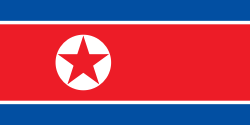 |
|---|---|
| Status | Independent State |
| Social and Moral Index | 144th best |
| Capital | Pyongyang |
| Land Area | 120 410km21 |
| Location | Asia |
| Population | 25.5m2 |
| Life Expectancy | 73.28yrs (2017)3 |
| GNI | |
| ISO3166-1 Codes | KP, PRK, 4084 |
| Internet Domain | .kp5 |
| Currency | Won (KPW)6 |
| Telephone | +8507 |
- Overview
- North Korea National and Social Development
- North Korea's Demographics and Migration
- Human Rights, Equality & Tolerance
- North Korea's Health
- North Korea's Responsibility Towards The Environment
- North Korea's Modernity and Learning
- North Korea's Culture, Peace and Inequality
- Religion and Beliefs
- Links
1. Overview
“An independent kingdom for much of its long history, Korea was occupied by Japan beginning in 1905 following the Russo-Japanese War. Five years later, Japan formally annexed the entire peninsula. Following World War II, Korea was split with the northern half coming under Soviet-sponsored Communist control. After failing in the Korean War (1950-53) to conquer the US-backed Republic of Korea (ROK) in the southern portion by force, North Korea (DPRK), under its founder President KIM Il Sung, adopted a policy of ostensible diplomatic and economic "self-reliance" as a check against outside influence. The DPRK demonized the US as the ultimate threat to its social system through state-funded propaganda, and molded political, economic, and military policies around the core ideological objective of eventual unification of Korea under Pyongyang's control. KIM Il Sung's son, KIM Jong Il, was officially designated as his father's successor in 1980, assuming a growing political and managerial role until the elder KIM's death in 1994. KIM Jong Un was publicly unveiled as his father's successor in September 2010. Following KIM Jong Il's death in December 2011, the regime began to take actions to transfer power to KIM Jong Un and KIM has now assumed many his father's former titles and duties. After decades of economic mismanagement and resource misallocation, the DPRK since the mid-1990s has relied heavily on international aid to feed its population. The DPRK began to ease restrictions to allow semi-private markets, starting in 2002, but then sought to roll back the scale of economic reforms in 2005 and 2009. North Korea's history of regional military provocations; proliferation of military-related items; long-range missile development; WMD programs including tests of nuclear devices in 2006, 2009, and 2013; and massive conventional armed forces are of major concern to the international community.”
CIA's The World Factbook (2013)8
“Most people form their opinions of North Korea from news reports and James Bond movies, but there´s more to the Democratic People´s Republic than military parades and stand-offs with the UN. No country in the world provokes a similar reaction to North Korea. Now on its third hereditary ruler, this nominally communist state and by-product of the Cold War has defied all expectation and survived a quarter of a century since perestroika dismantled the rest of the once-vast Soviet empire.
Most people don´t even know that it´s possible to travel here, and indeed the compromises required to do so are significant. You´ll be accompanied by two government minders at all times and only hear a one-sided account of history. Those who can´t accept this might be better off staying away - but those who can will have a fascinating trip into another, unsettling world.
With your official minders, you can roam mountain resorts and ancient capitals, though the main attractions remain the bombastic iconography of the North Korean regime and the surreal existence of ordinary people in this troubled, autocratic state.”
2. North Korea National and Social Development
| Social & Moral Development Index10 | ||
|---|---|---|
| Pos. | Lower is better Avg Rank10 | |
| 1 | Denmark | 27.2 |
| 2 | Norway | 29.2 |
| 3 | Sweden | 30.2 |
| ... | ||
| 141 | Samoa | 108.9 |
| 142 | Lesotho | 109.0 |
| 143 | Tanzania | 109.6 |
| 144 | N. Korea | 109.9 |
| 145 | Gabon | 110.0 |
| 146 | Gambia | 110.2 |
| 147 | Micronesia | 111.1 |
| 148 | Timor-Leste (E. Timor) | 111.4 |
| Asia Avg | 92.2 | |
| World Avg | 89.2 | |
| q=200. | ||
The Social and Moral Development Index concentrates on moral issues and human rights, violence, public health, equality, tolerance, freedom and effectiveness in climate change mitigation and environmentalism, and on some technological issues. A country scores higher for achieving well in those areas, and for sustaining that achievement in the long term. Those countries towards the top of this index can truly said to be setting good examples and leading humankind onwards into a bright, humane, and free future. See: Which are the Best Countries in the World? The Social and Moral Development Index.
3. North Korea's Demographics and Migration
#birth_control #demographics #fertility #health #immigration #life_expectancy #longevity #migration #overpopulation #population #yemen
Population Datasets:
North Korea's population is predicted to rise to 26.18 million by 2030. This rise is despite a low fertility rate, meaning, that this country is helping to alleviate problems with growing population in neighbouring countries by accepting immigrants, very likely as a requirement of maintaining an active workforce. This country has a fertility rate of 1.79. The fertility rate is, in simple terms, the average amount of children that each woman has. The higher the figure, the quicker the population will grow, although, to calculate the rate you also need to take into account morbidity - the rate at which people die. If people live healthy and long lives and morbidity is low, then, 2.0 approximates to the replacement rate (two new children for each set of parents who die), which would keep the population stable. If all countries had such a fertility rate, population growth would end. The actual replacement rate in most developed countries is around 2.1, once you take mortality into account11. The highest fertility rate ever detected in a single year was in Yemen in 1985, at 8.86.12| Population2 | ||
|---|---|---|
| Pos. | 2018 Population2 | |
| 1 | China | 1.4b |
| 2 | India | 1.4b |
| 3 | USA | 327.1m |
| ... | ||
| 49 | Yemen | 28.5m |
| 50 | Nepal | 28.1m |
| 51 | Madagascar | 26.3m |
| 52 | N. Korea | 25.5m |
| 53 | Cameroon | 25.2m |
| 54 | Ivory Coast | 25.1m |
| 55 | Australia | 24.9m |
| 56 | Niger | 22.4m |
| World Avg | 39.0m | |
| q=195. | ||
| Life Expectancy Higher is better13 | ||
|---|---|---|
| Pos. | 2021 Years13 | |
| 1 | Monaco | 85.9 |
| 2 | Hong Kong | 85.5 |
| 3 | Japan | 84.8 |
| ... | ||
| 79 | Latvia | 73.6 |
| 80 | Mauritius | 73.6 |
| 81 | Palestine | 73.5 |
| 82 | N. Korea | 73.3 |
| 83 | Trinidad & Tobago | 73.0 |
| 84 | Colombia | 72.8 |
| 85 | Dominica | 72.8 |
| 86 | Samoa | 72.8 |
| World Avg | 71.28 | |
| q=195. Also scored for 1990s-2010s. | ||
| Fertility Rate 2.0 is best14 | ||
|---|---|---|
| Pos. | 202214 | |
| 1 | US Virgin Islands | 2.00 |
| 2 | Ecuador | 2.00 |
| 3 | Nepal | 2.01 |
| ... | ||
| 28= | Moldova | 1.80 |
| 29 | Bahrain | 1.80 |
| 30 | France | 1.79 |
| 31 | N. Korea | 1.79 |
| 32 | Malaysia | 1.79 |
| 33 | El Salvador | 1.79 |
| 34 | Qatar | 1.78 |
| 35 | Bulgaria | 1.78 |
| World Avg | 2.47 | |
| q=208. Also scored for 1960s-2010s. | ||
| Old-Age Dependency Ratio Lower is better15 | ||
|---|---|---|
| Pos. | 2016 Per 10015 | |
| 1 | Uganda | 04.3 |
| 2 | Mali | 04.5 |
| 3= | Chad | 04.7 |
| ... | ||
| 107= | Brunei | 16.2 |
| 108 | El Salvador | 17.3 |
| 109 | Panama | 17.7 |
| 110 | N. Korea | 17.8 |
| 111 | Turkey | 18.0 |
| 112 | Vietnam | 18.3 |
| 113 | Tunisia | 18.6 |
| 114 | Azerbaijan | 18.7 |
| World Avg | 18.3 | |
| q=185. | ||
Migration Datasets:
| Immigrants16 | ||
|---|---|---|
| Pos. | 2017 %16 | |
| 1 | UAE | 88.4% |
| 2 | Kuwait | 75.5% |
| 3 | Qatar | 65.2% |
| ... | ||
| 185 | Colombia | 0.3% |
| 186 | Morocco | 0.3% |
| 187 | Philippines | 0.2% |
| 188 | N. Korea | 0.2% |
| 189 | Sri Lanka | 0.2% |
| 190 | Myanmar | 0.1% |
| 191 | Madagascar | 0.1% |
| 192 | Indonesia | 0.1% |
| World Avg | 9.4% | |
| q=195. | ||
| Emigrants17 | ||
|---|---|---|
| Pos. | 2010 %17 | |
| 1 | Dominica | 104.8% |
| 2 | Palestine | 68.4% |
| 3 | Samoa | 67.3% |
| ... | ||
| 166 | Cameroon | 1.4% |
| 167 | Malawi | 1.4% |
| 168 | Congo, DR | 1.3% |
| 169 | N. Korea | 1.3% |
| 170 | Thailand | 1.2% |
| 171 | UAE | 1.2% |
| 172 | Mongolia | 1.2% |
| 173 | Kenya | 1.1% |
| World Avg | 11.5% | |
| q=192. | ||
4. Human Rights, Equality & Tolerance
#equality #freedom #gender_equality #human_rights #morals #north_korea #north_korea_human_rights #politics #prejudice #tolerance
| Human Rights, Equality & Tolerance (2025)18 | ||
|---|---|---|
| Pos. | Lower is better Avg Rank18 | |
| 1 | Sweden | 7.5 |
| 2 | Netherlands | 8.6 |
| 3 | Denmark | 9.0 |
| ... | ||
| 190 | Equatorial Guinea | 147.3 |
| 191 | Iran | 152.1 |
| 192 | Sudan | 153.0 |
| 193 | N. Korea | 154.9 |
| 194 | Afghanistan | 155.9 |
| 195 | Brunei | 157.8 |
| Asia Avg | 110.11 | |
| World Avg | 90.04 | |
| q=198. | ||
For tables, charts and commentary, see:
5. North Korea's Health
| Compared to Asia (2025)28 | ||
|---|---|---|
| Pos. | Lower is better Avg Rank28 | |
| 1 | Japan | 40.8 |
| 2 | Singapore | 43.3 |
| 3 | S. Korea | 53.7 |
| ... | ||
| 8 | Cyprus | 64.6 |
| 9 | Israel | 65.2 |
| 10 | China | 65.8 |
| 11 | N. Korea | 69.7 |
| 12 | Kuwait | 69.9 |
| 13 | Thailand | 70.4 |
| 14 | Bahrain | 71.0 |
| 15 | UAE | 75.9 |
| 16 | Vietnam | 77.5 |
| Asia Avg | 90.68 | |
| q=50. | ||
| Health (2025)28 | ||
|---|---|---|
| Pos. | Lower is better Avg Rank28 | |
| 1 | Monaco | 10.3 |
| 2 | Liechtenstein | 30.1 |
| 3 | Japan | 40.8 |
| ... | ||
| 39 | USA | 68.5 |
| 40 | Germany | 68.6 |
| 41 | Ireland | 68.9 |
| 42 | N. Korea | 69.7 |
| 43 | British Virgin Islands | 69.8 |
| 44 | Kuwait | 69.9 |
| 45 | Thailand | 70.4 |
| 46 | St Martin | 70.9 |
| World Avg | 97.39 | |
| q=207. | ||
The countries with the best overall approach to public health, in terms of both public policy and individual lifestyle choices, are Monaco, Liechtenstein and Japan29. These countries are worth emulating. And, although often through no fault of the average citizen, the worst countries are Angola, Somalia and S. Sudan29.
42 datasets are used to calculate points for each country, including multiple decades of data on its average life expectancy, its alcohol consumption rate, its fertility rate, its smoking rate, its suicide rate, its food aid and health contributions and WHO compliance, the prevalence of overweight adults, obesity rate, its adolescent birth rate, delivery rate of infant DTP immunizations, delivery rate of 7x Infant Immunizations 2011-2015 and childhood mortality. The regions with the best average results per country are Scandinavia, Europe and The Mediterranean29, whereas the worst are Micronesia, Africa and Melanesia29.
For more, see:
5.1. Health Datasets
#2010s #alcohol #birth_control #demographics #health #life_expectancy #longevity #mental_health #north_korea #obesity #overpopulation #parenting #population #smoking #suicide
North Korea does relatively well in encouraging good health, compared to many other countries. N. Korea comes in the best 20 in terms of its adolescent birth rate30 (one of the lowest in Asia) and in delivery rate of infant DTP immunizations in the 2020s31. It does better than average in terms of its fertility rate14, the prevalence of overweight adults32, its smoking rate33, its alcohol consumption rate34 (but high for Asia), its average life expectancy13 and in delivery rate of 7x Infant Immunizations 2011-201535 (but bad for Asia). N. Korea still has work to do. N. Korea does worse than average in childhood mortality in the 2020s36 and in its suicide rate37. The number of overweight adults has increased by 14% over the last 40 years. Life expectancy in North Korea improved by just +3yrs in the 30 years from 1990, significantly less than almost everywhere else in the world. North Korea's peak fertility rate was 4.05 in 1967.| Life Expectancy Higher is better13 | ||
|---|---|---|
| Pos. | 2021 Years13 | |
| 1 | Monaco | 85.9 |
| 2 | Hong Kong | 85.5 |
| 3 | Japan | 84.8 |
| ... | ||
| 79 | Latvia | 73.6 |
| 80 | Mauritius | 73.6 |
| 81 | Palestine | 73.5 |
| 82 | N. Korea | 73.3 |
| 83 | Trinidad & Tobago | 73.0 |
| 84 | Colombia | 72.8 |
| 85 | Dominica | 72.8 |
| 86 | Samoa | 72.8 |
| Asia Avg | 73.48 | |
| World Avg | 71.28 | |
| q=195. Also scored for 1990s-2010s. | ||
| Alcohol Consumption Lower is better34 | ||
|---|---|---|
| Pos. | 2016 Per Capita34 | |
| 1 | Bangladesh | 0.0 |
| 2 | Kuwait | 0.0 |
| 3 | Libya | 0.0 |
| ... | ||
| 65= | Gambia | 3.8 |
| 65= | Israel | 3.8 |
| 65= | UAE | 3.8 |
| 68 | N. Korea | 3.9 |
| 69 | Honduras | 4.0 |
| 70 | Jamaica | 4.2 |
| 71 | Sri Lanka | 4.3 |
| 72= | Bahamas | 4.4 |
| Asia Avg | 3.9 | |
| World Avg | 6.2 | |
| q=189. | ||
| Fertility Rate 2.0 is best14 | ||
|---|---|---|
| Pos. | 202214 | |
| 1 | US Virgin Islands | 2.00 |
| 2 | Ecuador | 2.00 |
| 3 | Nepal | 2.01 |
| ... | ||
| 28= | Moldova | 1.80 |
| 29 | Bahrain | 1.80 |
| 30 | France | 1.79 |
| 31 | N. Korea | 1.79 |
| 32 | Malaysia | 1.79 |
| 33 | El Salvador | 1.79 |
| 34 | Qatar | 1.78 |
| 35 | Bulgaria | 1.78 |
| Asia Avg | 2.17 | |
| World Avg | 2.47 | |
| q=208. Also scored for 1960s-2010s. | ||
| Smoking in the 2020s Lower is better33 | ||
|---|---|---|
| Pos. | Smoking in the 2020s %33 | |
| 1 | Nigeria | 3.3% |
| 2 | Ghana | 3.4% |
| 3 | Panama | 5.2% |
| ... | ||
| 66 | Denmark | 16.2% |
| 67 | Singapore | 16.3% |
| 68 | Brunei | 16.4% |
| 69 | N. Korea | 16.6% |
| 70 | Uzbekistan | 16.8% |
| 71 | Comoros | 17.3% |
| 72 | Cambodia | 17.3% |
| 73 | Palau | 17.4% |
| Asia Avg | 22.8% | |
| World Avg | 20.0% | |
| q=165. Also scored for 2000s-2020s. | ||
| Suicide Rate in the 2010s Lower is better37 | ||
|---|---|---|
| Pos. | Suicide Rate in the 2010s Per 100k37 | |
| 1= | Jordan | 1.00 |
| 1= | Sao Tome & Principe | 1.00 |
| 1= | Antigua & Barbuda | 1.00 |
| ... | ||
| 117 | Fiji | 9.67 |
| 118 | Togo | 9.77 |
| 119 | Kyrgyzstan | 10.02 |
| 120 | N. Korea | 10.18 |
| 121 | Ireland | 10.41 |
| 122 | Chile | 10.42 |
| 123 | Nepal | 10.49 |
| 124 | Bosnia & Herzegovina | 10.51 |
| Asia Avg | 7.22 | |
| World Avg | 9.24 | |
| q=185. Also scored for 2000s-2010s. | ||
| Overweight Adults Lower is better32 | ||
|---|---|---|
| Pos. | 1976 %32 | |
| 1 | Bangladesh | 4.7 |
| 2 | Vietnam | 5.1 |
| 3 | Nepal | 5.4 |
| ... | ||
| 62 | Namibia | 15.7 |
| 63 | Swaziland | 15.8 |
| 64 | Zimbabwe | 16.3 |
| 65= | N. Korea | 16.8 |
| 65= | Brunei | 16.8 |
| 67 | Mauritius | 17.0 |
| 68 | Seychelles | 17.4 |
| 69= | Haiti | 20.2 |
| Asia Avg | 23.1 | |
| World Avg | 27.1 | |
| q=191. | ||
| Adult Obesity Lower is better38 | ||
|---|---|---|
| Pos. | 2022 %38 | |
| 1 | Vietnam | 2.1% |
| 2 | Timor-Leste (E. Timor) | 2.2% |
| 3 | Ethiopia | 2.4% |
| ... | ||
| 39 | Sri Lanka | 10.6% |
| 40 | Nigeria | 10.8% |
| 41 | Djibouti | 10.9% |
| 42 | N. Korea | 10.9% |
| 43 | France | 10.9% |
| 44 | Kenya | 11.0% |
| 45 | Tanzania | 11.4% |
| 46 | Indonesia | 11.5% |
| Asia Avg | 21.1% | |
| World Avg | 24.7% | |
| q=199. Also scored for 1990s-2010s. | ||
5.2. Children's Health Datasets
#children's_health #health #japan #parenting #population #vaccines
| Adolescent Birth Rate Lower is better30 | ||
|---|---|---|
| Pos. | 2022 Per 100030 | |
| 1 | Hong Kong | 1.6 |
| 2 | Denmark | 1.8 |
| 3 | S. Korea | 2.1 |
| 4 | Norway | 2.2 |
| 5 | Switzerland | 2.2 |
| 6 | N. Korea | 2.4 |
| 7 | Singapore | 2.5 |
| 8 | Netherlands | 2.7 |
| 9 | Japan | 2.8 |
| 10 | UAE | 2.8 |
| 11 | Liechtenstein | 3.0 |
| 12 | Sweden | 3.3 |
| Asia Avg | 25.9 | |
| World Avg | 43.8 | |
| q=195. Also scored for 1990s-2010s. | ||
| Infant DTP Immunizations (2020s) Higher is better31 | ||
|---|---|---|
| Pos. | Infant DTP Immunizations (2020s) Avg %31 | |
| 1= | Luxembourg | 99.0 |
| 1= | Oman | 99.0 |
| 1= | Niue | 99.0 |
| ... | ||
| 6= | Tonga | 99.0 |
| 6= | Cuba | 99.0 |
| 6= | Hungary | 99.0 |
| 12 | N. Korea | 98.7 |
| 13 | Iran | 98.6 |
| 14= | Israel | 98.5 |
| 14= | Malta | 98.5 |
| 14= | Nauru | 98.5 |
| Asia Avg | 90.6 | |
| World Avg | 88.5 | |
| q=211. Also scored for 1980s-2020s. | ||
| 7x Infant Immunizations (2011-2015) Higher is better35 | ||
|---|---|---|
| Pos. | 2015 Avg %35 | |
| 1= | Hungary | 99.0 |
| 1= | China | 99.0 |
| 3 | Uzbekistan | 98.9 |
| ... | ||
| 82= | Germany | 94.0 |
| 83 | Lithuania | 93.9 |
| 84 | Estonia | 93.9 |
| 85 | N. Korea | 93.8 |
| 86 | Italy | 93.8 |
| 87 | Austria | 93.8 |
| 88 | Argentina | 93.7 |
| 89 | Bulgaria | 93.7 |
| Asia Avg | 90.5 | |
| World Avg | 88.3 | |
| q=194. | ||
| Infant Mortality (2020s) Lower is better36 | ||
|---|---|---|
| Pos. | Infant Mortality (2020s) Per 100036 | |
| 1 | San Marino | 2.11 |
| 2 | Finland | 2.59 |
| 3 | Luxembourg | 2.60 |
| ... | ||
| 110 | Uzbekistan | 21.50 |
| 111 | Vietnam | 22.10 |
| 112 | Fiji | 22.11 |
| 113 | N. Korea | 22.55 |
| 114 | Paraguay | 22.61 |
| 115 | Trinidad & Tobago | 22.83 |
| 116 | Kyrgyzstan | 23.23 |
| 117 | Egypt | 23.97 |
| Asia Avg | 23.58 | |
| World Avg | 32.19 | |
| q=195. Also scored for 1960s-2020s. | ||
In the 1990s, North Korea had the 3rd-lowest adolescent birth rate in the world (on just after Japan), and in the 2000s and 2010s, it had the lowest rate in the world, giving families a great chance to plan, educate and preserve resources for the future.
6. North Korea's Responsibility Towards The Environment
#biodiversity #climate_change #deforestation #environmentalism #food #internationalism #meat #over-exploitation #the_environment #veganism #vegetarianism
| Compared to Asia (2025)39 | ||
|---|---|---|
| Pos. | Lower is better Avg Rank39 | |
| 1 | Sri Lanka | 34.9 |
| 2 | Nepal | 47.9 |
| 3 | India | 49.5 |
| ... | ||
| 43 | Kyrgyzstan | 108.7 |
| 44 | Kazakhstan | 109.8 |
| 45 | Bhutan | 115.3 |
| 46 | Uzbekistan | 116.1 |
| 47 | Tajikistan | 128.6 |
| 48 | Brunei | 130.2 |
| 49 | N. Korea | 132.3 |
| 50 | Turkmenistan | 134.1 |
| 51 | Timor-Leste (E. Timor) | 137.5 |
| Asia Avg | 88.09 | |
| q=51. | ||
| Responsibility Towards The Environment (2025)39 | ||
|---|---|---|
| Pos. | Lower is better Avg Rank39 | |
| 1 | Sri Lanka | 34.9 |
| 2 | Uruguay | 43.2 |
| 3 | Switzerland | 45.0 |
| ... | ||
| 189 | Niue | 129.5 |
| 190 | Brunei | 130.2 |
| 191 | Somalia | 131.0 |
| 192 | N. Korea | 132.3 |
| 193 | Turkmenistan | 134.1 |
| 194 | Nauru | 134.4 |
| 195 | San Marino | 134.9 |
| 196 | Andorra | 136.3 |
| World Avg | 84.93 | |
| q=199. | ||
We have known for a long term that we must protect the environment from habitation destruction, over-exploitation, pollution, and the emissions that cause climate change. In 1998, Greenpeace wrote that "Environment can no longer be meaningfully separated from health, quality of life, democracy, education, economy or trade"40. What countries have been doing the right thing, via legislation and national culture? All countries' current and historical approach towards the environment is gauged via 21 datasets, including multiple decades of data on its forested percent change 2000-2020, its environmental performance, energy to GDP efficiency, its sign-up rate to major international accords on protecting the environment, the rate of rational beliefs on the environment in the population, reducing annual meat consumption per person and its score on the Green Future Index.
The countries that do the best (Sri Lanka, Uruguay and Switzerland) tend to have avoided the excesses of early industrial countries, and have not yet repeated the same mistakes of environmental destruction - at least, not on the same scale. The regions with the best average results per country are Central America, South America and Scandinavia. The worst are Eritrea, The Vatican City and Timor-Leste (E. Timor), and the worst regions Micronesia, Australasia and Melanesia.
For more, see:
N. Korea comes 8th-worst in the world in terms of its responsibility towards the environment (one of the highest in Asia). This is computed using 21 data sets. N. Korea does better than average for reducing annual meat consumption per person41. But unfortunately N. Korea gets most other things wrong. It does worse than average in terms of its sign-up rate to major international accords on protecting the environment and in its forested percent change 2000-202042. And finally, it sits amongst the bottom 20 in terms of energy to GDP efficiency43 (one of the highest in Asia).| Forest Area Change 2000-2020 Higher is better42 | ||
|---|---|---|
| Pos. | Total42 | |
| 1 | Guernsey | 82.6% |
| 2 | Bahrain | 75.2% |
| 3 | Iceland | 64.7% |
| ... | ||
| 180 | Venezuela | -6.0% |
| 181 | Honduras | -6.3% |
| 182 | Equatorial Guinea | -6.5% |
| 183 | N. Korea | -6.7% |
| 184 | Mauritius | -7.5% |
| 185 | Liberia | -7.5% |
| 186 | Bolivia | -7.9% |
| 187 | Singapore | -7.9% |
| Asia Avg | 3.2% | |
| World Avg | -0.1% | |
| q=234. | ||
| Energy to GDP Efficiency Lower is better43 | ||
|---|---|---|
| Pos. | 2022 Avg43 | |
| 1 | Rwanda | 0.25 |
| 2 | Chad | 0.26 |
| 3 | Tanzania | 0.31 |
| ... | ||
| 156 | Canada | 2.29 |
| 157 | Malta | 2.36 |
| 158 | Mozambique | 2.38 |
| 159 | N. Korea | 2.46 |
| 160 | Laos | 2.75 |
| 161 | Iceland | 4.01 |
| 162 | Venezuela | 4.18 |
| 163 | Bahrain | 4.19 |
| Asia Avg | 1.50 | |
| World Avg | 1.23 | |
| q=165. Also scored for 1960s-2010s. | ||
| International Accords on the Environment Higher is better | ||
|---|---|---|
| Pos. | International Accords on the Environment Avg Rate | |
| 1 | Sweden | 83% |
| 2 | Canada | 82% |
| 3 | Norway | 81% |
| ... | ||
| 167 | Bosnia & Herzegovina | 45% |
| 168 | Laos | 44% |
| 169 | Myanmar | 44% |
| 170 | N. Korea | 44% |
| 171 | Sierra Leone | 43% |
| 172 | Eritrea | 43% |
| 173 | Somalia | 43% |
| 174 | Tonga | 43% |
| Asia Avg | 55.4% | |
| World Avg | 57.5% | |
| q=197. Also scored for 1970s-2020s. | ||
| Meat Consumption Lower is better41 | ||
|---|---|---|
| Pos. | 2021 kg41 | |
| 1 | Congo, DR | 03.0 |
| 2 | Burundi | 03.5 |
| 3 | Bangladesh | 04.3 |
| ... | ||
| 18 | Tanzania | 12.1 |
| 19 | Ivory Coast | 12.6 |
| 20 | Cambodia | 12.6 |
| 21 | N. Korea | 12.8 |
| 22 | Bhutan | 13.6 |
| 23 | Cameroon | 14.6 |
| 24 | Guinea-Bissau | 14.7 |
| 25 | Djibouti | 14.8 |
| Asia Avg | 46.7 | |
| World Avg | 52.5 | |
| q=185. Also scored for 2010s. | ||
7. North Korea's Modernity and Learning
#education #modernity #technology #the_internet
| Compared to Asia (2025)44 | ||
|---|---|---|
| Pos. | Lower is better Avg Rank44 | |
| 1 | S. Korea | 23.5 |
| 2 | Taiwan | 25.4 |
| 3 | Japan | 27.4 |
| ... | ||
| 30 | Jordan | 88.0 |
| 31 | Iran | 89.6 |
| 32 | Saudi Arabia | 91.7 |
| 33 | N. Korea | 94.5 |
| 34 | Oman | 94.9 |
| 35 | Sri Lanka | 96.6 |
| 36 | Mongolia | 97.7 |
| 37 | Indonesia | 100.1 |
| 38 | Maldives | 107.2 |
| Asia Avg | 86.04 | |
| q=51. | ||
| Modernity & Learning (2025)44 | ||
|---|---|---|
| Pos. | Lower is better Avg Rank44 | |
| 1 | Finland | 6.1 |
| 2 | Iceland | 8.1 |
| 3 | Denmark | 8.8 |
| ... | ||
| 114 | Guatemala | 92.4 |
| 115 | Libya | 92.8 |
| 116 | Dominica | 94.3 |
| 117 | N. Korea | 94.5 |
| 118 | Oman | 94.9 |
| 119 | Sri Lanka | 96.6 |
| 120 | Honduras | 97.5 |
| 121 | Mongolia | 97.7 |
| World Avg | 84.96 | |
| q=197. | ||
The most modern countries, with the best results from education, the highest levels of research, and with the easiest access to information on the Internet, are Finland, Iceland and Denmark45. The worst countries are S. Sudan, Eritrea and Somalia45. Despite improves in global education, access to tertiary (adult) education is becoming increasingly unequal between the rich haves and the poor have-nots46.
“Education, at all levels and ages, is the single most vital support for equality as well as being a country's most vital economic and social resource. [...] Every successful aspirant to modernisation and economic development, from Japan to South Korea, China to Chile, has got there with a big emphasis on education.”
Bill Emmott (2017)47
27 datasets are used to calculate points for each country, including multiple decades of data on Research and Development, Intellectual Endeavours, metric system adoption rate, Religiosity, IQ, Secondary Education, Length of Schooling, Maths, Science & Reading, the percent of citizens with access to the internet, Freedom On The Internet, IT Security, IPv6 Uptake and digital quality of life. The regions with the best average results per country are Scandinavia, Baltic States and Europe45, whereas the worst are Melanesia, Africa and Micronesia45.
For more, see:
- " Which Countries are Most Modern, With the Best Education and Internet Access?" by Vexen Crabtree (2025).
7.1. Modernity Datasets
| Metric System Adoption Rate Higher is better48 | ||
|---|---|---|
| Pos. | 2025 %48 | |
| 1= | Slovakia | 100 |
| 1= | Poland | 100 |
| 1= | Portugal | 100 |
| ... | ||
| 74= | Russia | 95 |
| 74= | Slovenia | 95 |
| 74= | Peru | 95 |
| 74= | N. Korea | 95 |
| 74= | Panama | 95 |
| 74= | Lithuania | 95 |
| 74= | Macedonia | 95 |
| 74= | Nicaragua | 95 |
| Asia Avg | 90 | |
| World Avg | 92 | |
| q=187. Also scored for 1960s-2020s. | ||
North Korea officially adopted metric in 194849. Progression:
- 1960 (70%): Metric official; traditional units common informally.
- 1970 (85%): Standardization in commerce/education.
- 1980 (95%): Metric dominant across sectors.
- 2000 (95%).
- 2025 (95%).
7.2. Education Datasets
| Length of Schooling Higher is better50 | ||
|---|---|---|
| Pos. | 2021 Years50 | |
| 1 | Australia | 21.1 |
| 2 | New Zealand | 20.3 |
| 3 | Greece | 20.0 |
| ... | ||
| 149 | Rwanda | 11.2 |
| 150 | Zambia | 10.9 |
| 151 | Myanmar | 10.9 |
| 152 | N. Korea | 10.8 |
| 153 | Benin | 10.8 |
| 154 | Burundi | 10.7 |
| 155 | Kenya | 10.7 |
| 156 | Ivory Coast | 10.7 |
| Asia Avg | 13.5 | |
| World Avg | 13.5 | |
| q=193. Also scored for 1990s-2010s. | ||
8. North Korea's Culture, Peace and Inequality
#charitability #culture #equality #human_development #inequality #peace
8.1. National Culture Datasets
#corruption #internationalism #north_korea #politics #somalia
| Corruption Higher is better51 | ||
|---|---|---|
| Pos. | 2022 Points51 | |
| 1 | Denmark | 90.0 |
| 2= | Finland | 87.0 |
| 2= | New Zealand | 87.0 |
| ... | ||
| 169= | Turkmenistan | 19.0 |
| 169= | Chad | 19.0 |
| 171= | Equatorial Guinea | 17.0 |
| 171= | N. Korea | 17.0 |
| 171= | Libya | 17.0 |
| 171= | Haiti | 17.0 |
| 171= | Burundi | 17.0 |
| 176 | Yemen | 16.0 |
| Asia Avg | 39.98 | |
| World Avg | 42.98 | |
| q=180. Also scored for 1990s-2010s. | ||
On average through the 2010s, North Korea scored the second-worst on the Corruption Perception Index (after Somalia).
| Passport Reach (2020s) Higher is better52 | ||
|---|---|---|
| Pos. | Passport Reach (2020s) Q52 | |
| 1 | Singapore | 192.2 |
| 2 | Japan | 192.0 |
| 3 | S. Korea | 190.7 |
| ... | ||
| 183 | Sri Lanka | 42.0 |
| 184 | S. Sudan | 41.8 |
| 185 | Bangladesh | 40.5 |
| 186 | N. Korea | 39.8 |
| 187 | Libya | 39.7 |
| 188 | Palestine | 38.3 |
| 189 | Nepal | 38.0 |
| 190 | Somalia | 34.2 |
| Asia Avg | 85.1 | |
| World Avg | 108.8 | |
| q=195. Also scored for 2000s-2020s. | ||
8.2. Peace Versus Instability Datasets
#human_development #peace #politics
| Global Peace Index Lower is better53 | ||
|---|---|---|
| Pos. | 2023 Score53 | |
| 1 | Iceland | 1.12 |
| 2 | Denmark | 1.31 |
| 3 | Ireland | 1.31 |
| ... | ||
| 146 | Pakistan | 2.75 |
| 147= | Iran | 2.80 |
| 147= | Turkey | 2.80 |
| 149 | N. Korea | 2.85 |
| 150 | Burkina Faso | 2.87 |
| 151 | Ethiopia | 2.87 |
| 152 | Central African Rep. | 2.93 |
| 153 | Mali | 2.96 |
| Asia Avg | 2.17 | |
| World Avg | 2.07 | |
| q=163. Also scored for 2010s. | ||
8.3. Economic Inequality and Poverty Datasets
#health #inequality #life_expectancy
| Inequality in Life Expectancy Lower is better54 | ||
|---|---|---|
| Pos. | 201954 | |
| 1 | Iceland | 2.40 |
| 2= | Singapore | 2.50 |
| 2= | Hong Kong | 2.50 |
| ... | ||
| 90= | Kyrgyzstan | 11.30 |
| 90= | St Vincent & Grenadines | 11.30 |
| 92= | Ecuador | 11.50 |
| 92= | N. Korea | 11.50 |
| 94 | Egypt | 11.60 |
| 95= | Panama | 12.00 |
| 95= | Palestine | 12.00 |
| 97 | Solomon Islands | 12.10 |
| Asia Avg | 11.80 | |
| World Avg | 14.59 | |
| q=184. | ||
9. Religion and Beliefs
#buddhism #christianity #hinduism #islam #judaism
Pew Forum polling over the decades has found the following adherency rates:55:
| 2010 | 2020 | |
|---|---|---|
| Unaffiliated | 72.9% | 72.9% |
| Other | 25.2% | 25.2% |
| Buddhist | 1.52% | 1.52% |
| Christian | 0.398% | 0.384% |
| Muslim | <0.1% | <0.1% |
| Hindu | <0.1% | <0.1% |
| Jewish | None | None |
The CIA World Factbook has slightly different data, and states: traditionally Buddhist and Confucianist, some Christian and syncretic Chondogyo (Religion of the Heavenly Way). note: autonomous religious activities now almost nonexistent; government-sponsored religious groups exist to provide illusion of religious freedom56.
Links: